Offshore Wind Turbines
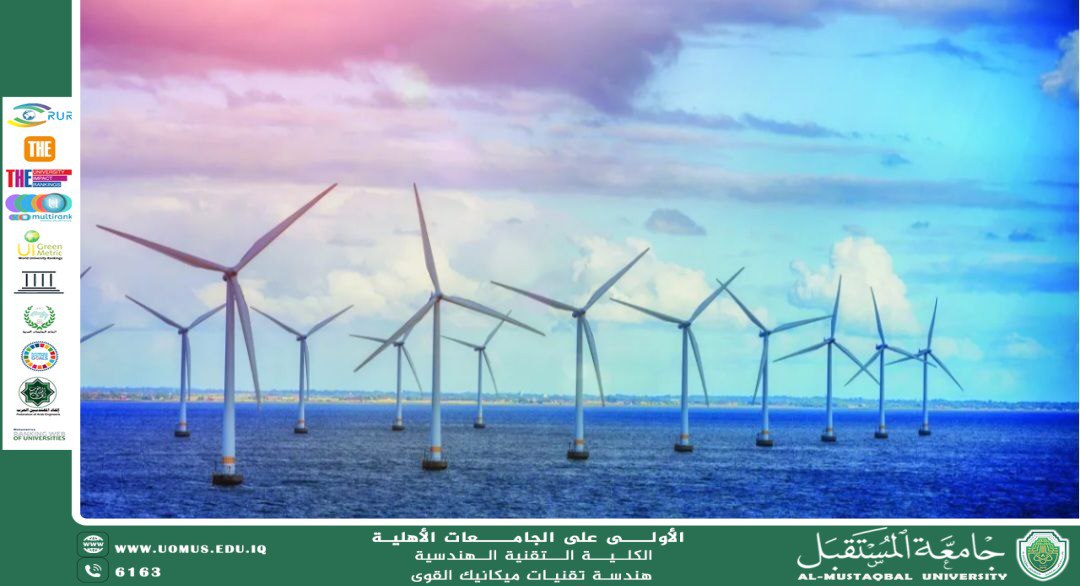
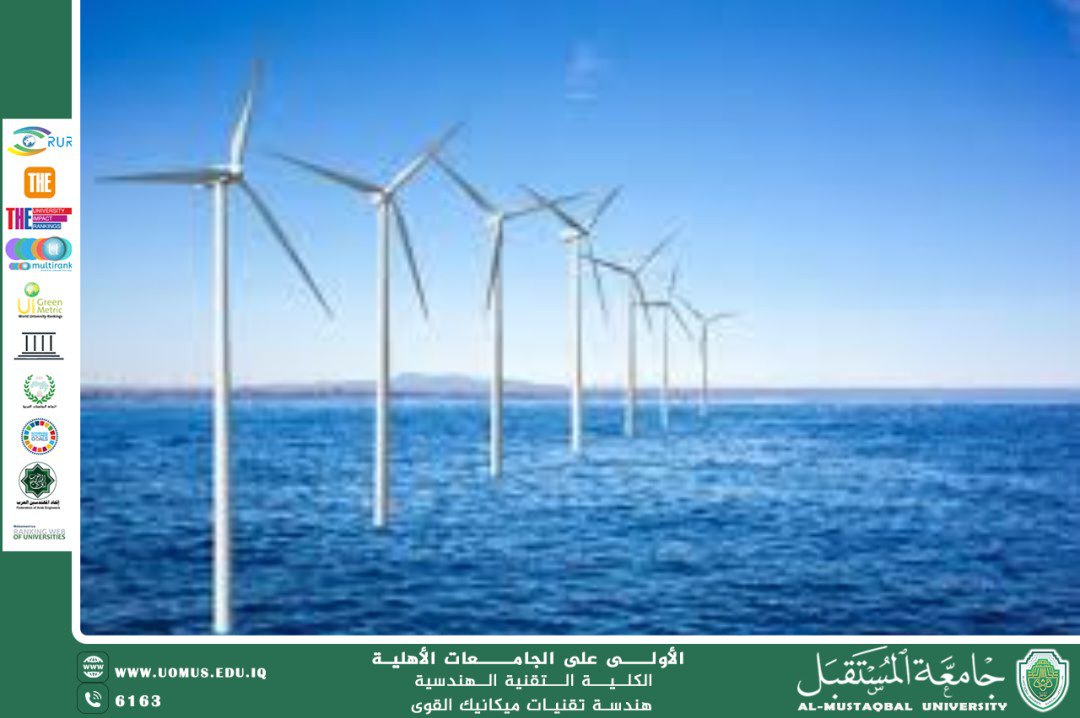
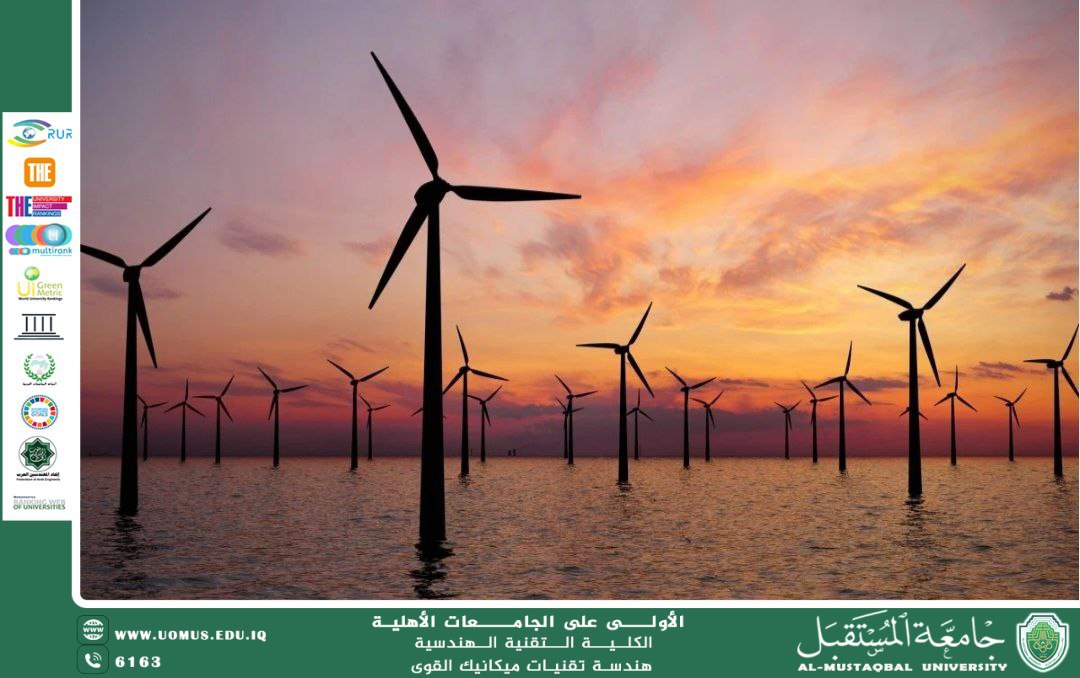
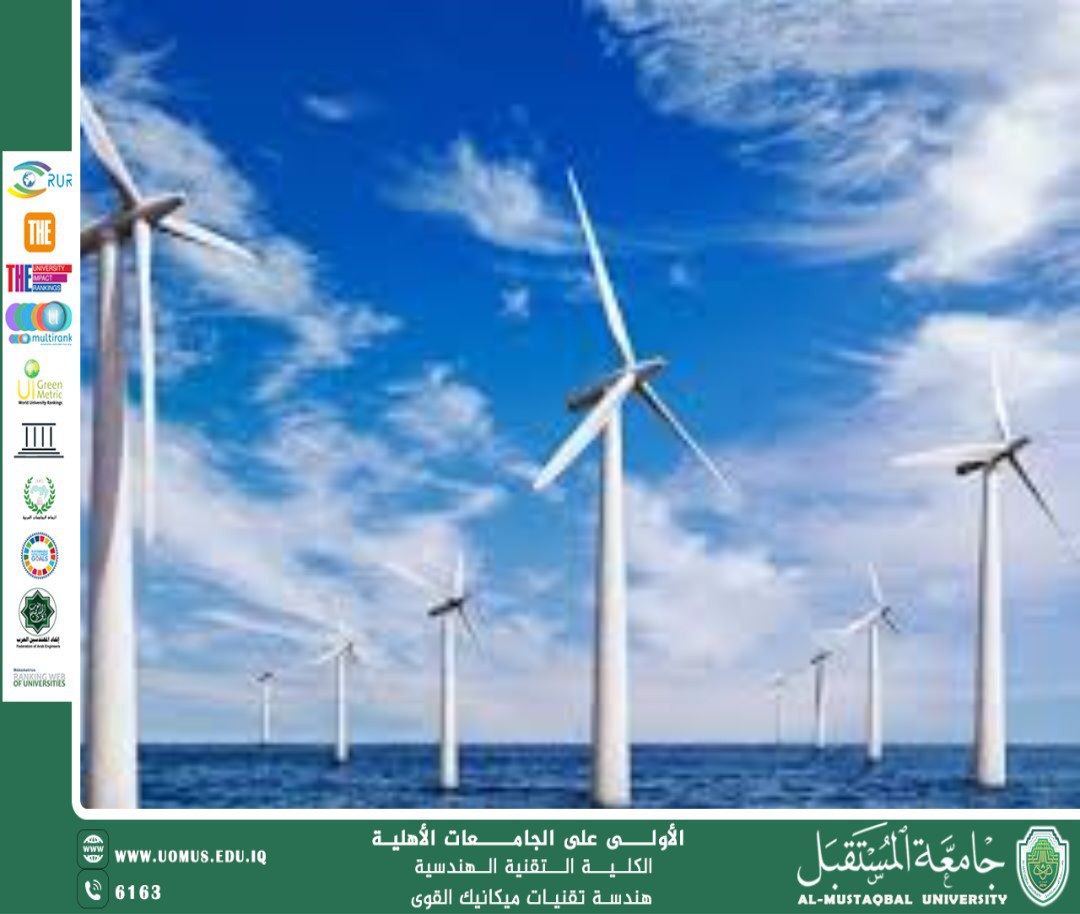
Offshore wind turbines are considered one of the most important sources of renewable energy in the modern era. They are installed in seas and oceans to take advantage of stronger and more consistent wind speeds compared to onshore locations. These turbines play a vital role in reducing dependence on fossil fuels and lowering greenhouse gas emissions.
The working principle of offshore wind turbines is based on converting the kinetic energy of wind into mechanical energy, which is then transformed into electrical energy through a generator. Offshore sites are characterized by fewer natural obstacles such as buildings or mountains, allowing wind to flow more freely and increasing turbine efficiency.
One of the main advantages of offshore wind turbines is their high power generation capacity. A single turbine can produce enough electricity to supply thousands of homes. In addition, offshore wind farms help reduce environmental and noise pollution in residential areas due to their distance from land.
Despite these advantages, offshore wind turbines face several challenges, including high installation and maintenance costs, difficulties associated with deep-water construction, and potential impacts on marine life. However, continuous technological advancements have contributed to overcoming many of these challenges and improving the efficiency and sustainability of offshore wind energy systems.
In conclusion, offshore wind turbines represent a promising strategic option for achieving a clean and sustainable energy future, especially with the growing global demand for energy and the urgent need to protect the environment.
M.Sc Abrar Abdulkareem Saeed