
An article titled "Drugs and Their Impact on Society" by Engineer Zahraa Saad Khazal and Lecturer Fatima Rahim Abbas
Drugs and Their Impact on Society
The issue of drugs and their spread these days has become a new challenge for Iraqi families, a heavy burden placed upon them in addition to the hardships of life, the struggle to earn a living, and the need to provide a healthy environment for their children. This is compounded by the evils perpetrated by those whose aim is to target our youth and destroy the future of an entire nation. Today, we face a great responsibility and a real confrontation, and we must all stand together to address this issue, each from our own position. In this article, we will attempt to shed light on drugs, their definition, their dangers, and how to identify an addict through their symptoms and behaviors. Together, we will try to find solutions to reduce the spread of drugs. May God grant us success.
First, we must define what drugs are. Drugs are any plant-based or manufactured substance containing sedative, analgesic, or stimulant elements. If used for purposes other than their intended medical use, they cause lethargy and sluggishness, paralyzing bodily functions. They also cause chronic diseases in the central nervous, respiratory, and circulatory systems. Furthermore, they lead to a state of habituation, or what is called "addiction," causing severe damage to mental, physical, and social health.
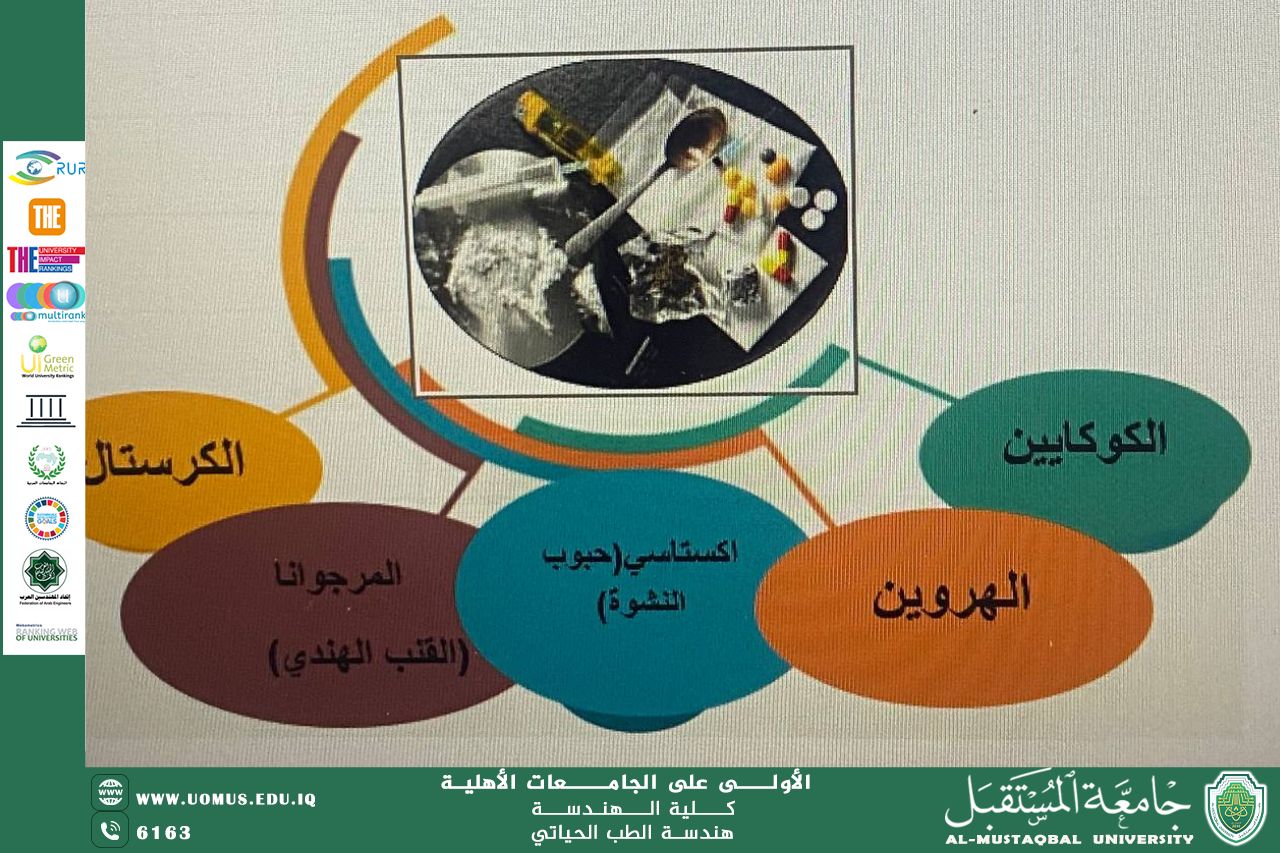
Crystal Meth
Cocaine
Ecstasy (High Pills)
Marijuana (Cannabis)
Heroin
The use of addictive substances is a global problem with enormous effects on the health, economic, and social systems of countries. Health consequences include premature death, death from overdose, and numerous chronic illnesses such as liver disease, brain injury, and exposure to HIV and viral hepatitis. Social and economic consequences include unemployment, inability to care for family members, and increased crime and domestic violence.
Key symptoms include:
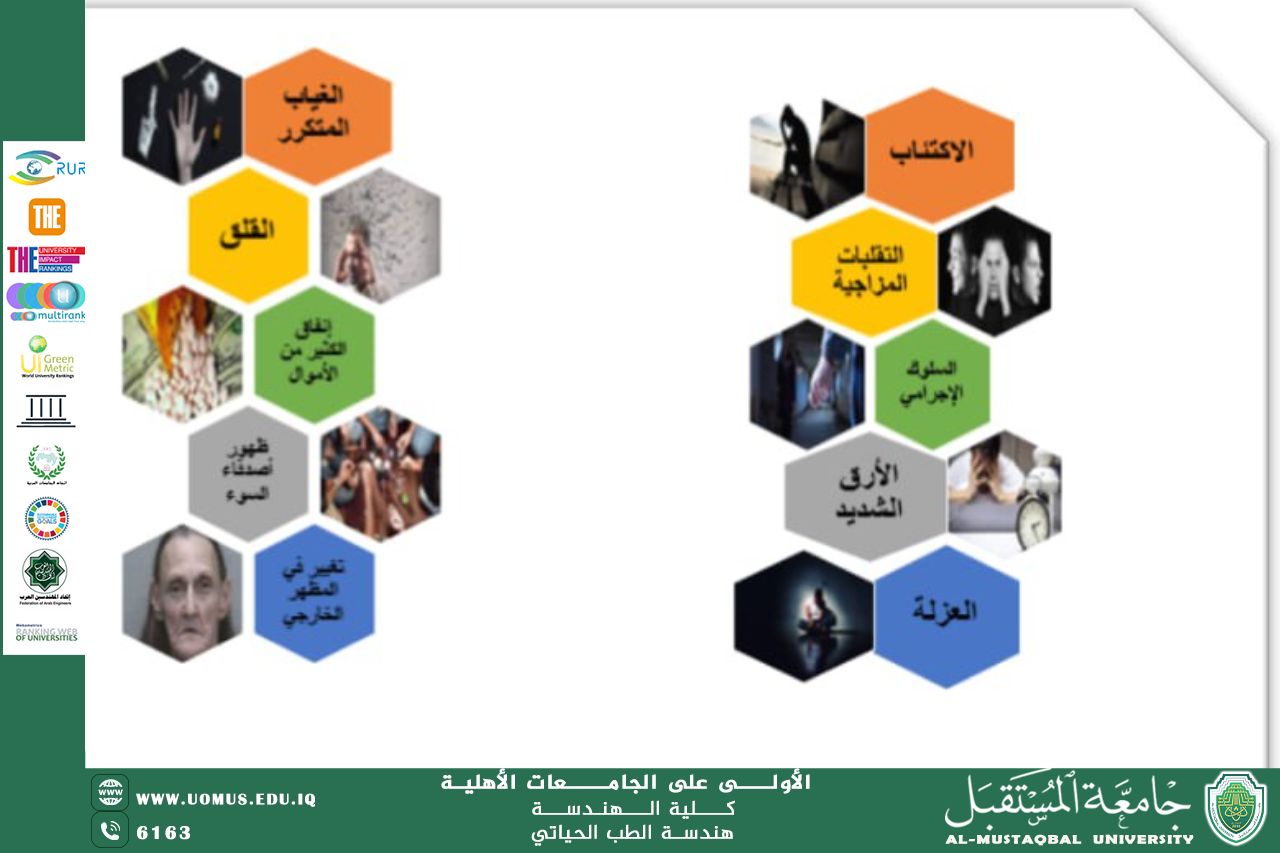
• Frequent absences from home or work with flimsy excuses, which in turn leads to a decline in academic performance or work performance.
• Staying out for extended periods and staying out late at night. • Severe insomnia accompanied by excessive movement followed by excessive sleep, such as sleeping for an entire day.
• Spending large sums of money, which parents often notice. If this continues, the addict or substance abuser may resort to other methods, ranging from theft to domestic violence and even murder.
• One of the important symptoms that parents should not ignore is mood swings and anxiety over the smallest things, along with noticeable weight loss due to loss of appetite. Other symptoms include neglecting personal appearance, anger over trivial matters, and a tendency towards introversion, isolation, and depression.