The Use of Artificial Intelligence in Improving Student Performance
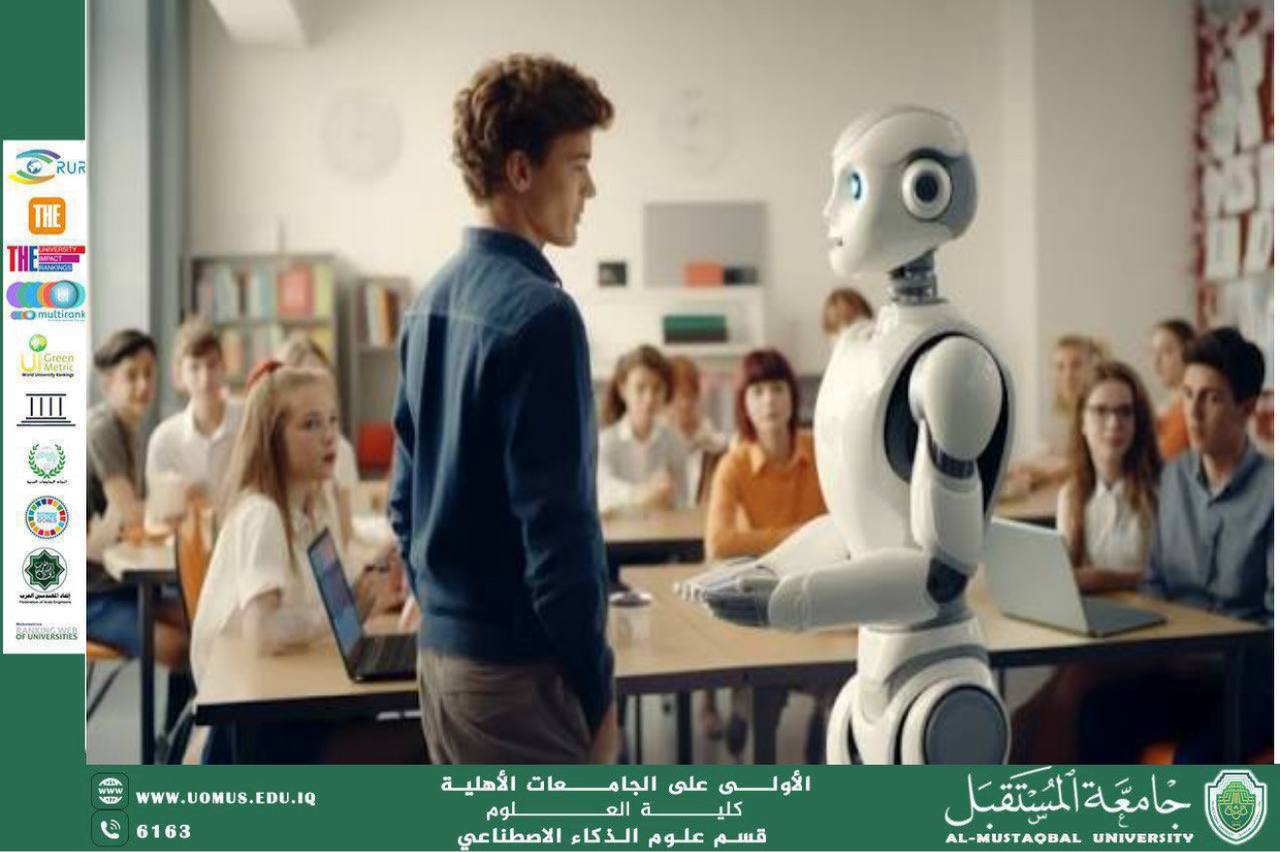
Artificial intelligence plays a significant role in improving student performance in education. Intelligent systems can analyze test and assignment results quickly and accurately, helping teachers understand each student’s level more effectively. These technologies provide detailed reports on students’ strengths and weaknesses, allowing for customized learning plans.
AI also enables personalized learning according to each student’s abilities, selecting the appropriate content and exercises. This contributes to better information retention and improved academic performance.
AI tools provide objective evaluations, eliminating personal bias, making assessment fairer. They also reduce the administrative workload for teachers, such as grading exams or monitoring student progress, giving them more time to focus on teaching and guidance.
Some intelligent educational applications include adaptive testing that adjusts to the student’s level and simulation apps that make learning more interactive and enjoyable. AI can also monitor students’ online learning behavior and analyze learning patterns to suggest ways to improve performance.
Additionally, AI motivates students by offering digital rewards, instant feedback, and encouraging self-directed learning. It supports teachers in designing innovative and effective educational programs.
With the continuous development of AI, educational systems are expected to become smarter and more capable of addressing each student’s individual needs. This will enhance the quality of education and sustainably improve students’ academic achievement.
In summary, AI is a powerful tool to enhance learning and improve student performance through personalized learning, objective evaluation, accurate monitoring, and support for teachers in all aspects of the educational process.