Migraine By: Assist. Prof. Dr. Dalia Shaker Ubaida
Introduction
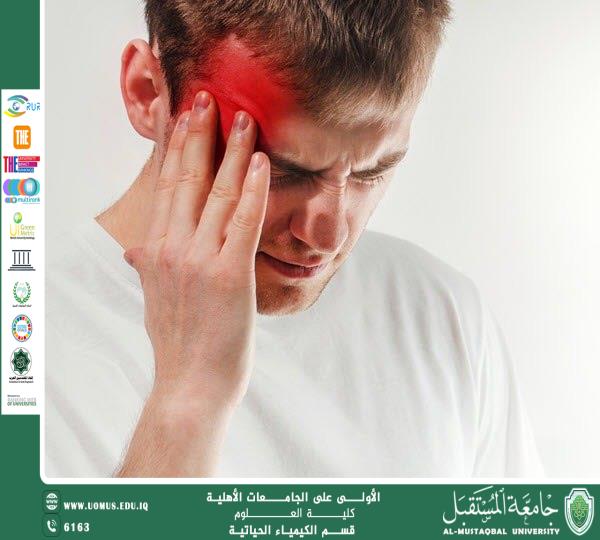
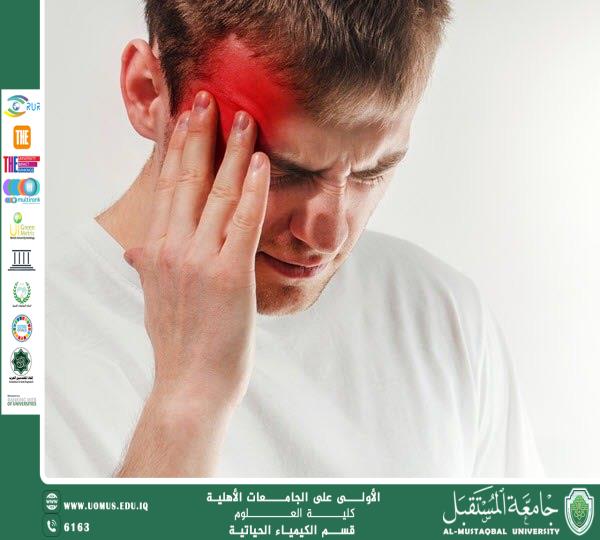
Migraine is a common neurological condition that causes recurring attacks of moderate to severe headache, often on one side of the head. It is usually accompanied by nausea, vomiting, and sensitivity to light, sound, or smells. Migraine is not just a “regular headache”; it can significantly affect daily life, work, and school performance.
⸻
Causes of Migraine
Migraine does not have one single cause, but it is linked to changes in brain activity, nerves, and blood vessels. Key factors include:
1. Genetic Factors
Having a family history of migraine increases the risk.
2. Brain Chemical Changes
Fluctuations in neurotransmitters such as serotonin may contribute to migraine attacks.
3. Triggers
Many people have specific triggers that can bring on an attack, such as:
• Lack of sleep or too much sleep
• Stress and anxiety
• Skipping meals
• Dehydration
• Certain foods (chocolate, aged cheese, processed foods)
• Too much caffeine or caffeine withdrawal
• Strong smells
• Weather changes
• Bright lights and excessive screen use
• Hormonal changes in women (especially around menstruation)
4. Migraine with Aura
Some patients experience visual disturbances (flashing lights, zigzag lines) or tingling before the headache. This is called “aura.”
⸻
Symptoms
Migraine symptoms vary, but commonly include:
• Throbbing or pulsating headache
• Pain on one side or both sides of the head
• Nausea and vomiting
• Sensitivity to light, sound, and smells
• Dizziness or blurred vision
• Fatigue after the attack
⸻
Prevention
Prevention focuses on avoiding triggers and maintaining a healthy routine:
• Regular sleep schedule (7–9 hours daily)
• Drink enough water
• Avoid skipping meals
• Stress management (exercise, relaxation, meditation)
• Limit screen time and take breaks
• Avoid trigger foods when identified
• Keep a migraine diary to track patterns
• Light physical activity such as walking can help
⸻
Treatment
Migraine treatment includes acute treatment during attacks and preventive treatment for frequent migraines.
1) Acute Treatment (During an Attack)
• Rest in a dark, quiet room
• Cold compress on the head
• Hydration
• Pain relievers such as paracetamol or ibuprofen (avoid overuse)
• Migraine-specific medications like triptans (prescribed by a doctor)
2) Preventive Treatment (For frequent attacks)
Doctors may prescribe medications to reduce migraine frequency, such as:
• Blood pressure medications (certain types)
• Antidepressants (some types)
• Anti-seizure medications
• Newer treatments like CGRP inhibitors for selected cases
⸻
When to Seek Urgent Medical Help
Seek medical attention immediately if you experience:
• A sudden, extremely severe headache (“thunderclap headache”)
• Headache with weakness, numbness, or speech difficulty
• Headache with fever and stiff neck
• A new headache after age 50
• A headache that is progressively worsening or unusual
Conclusion
Migraine is a common but manageable condition. With proper understanding of triggers, healthy lifestyle habits, and suitable treatment, many people can reduce the frequency and severity of attacks and improve their quality of life.