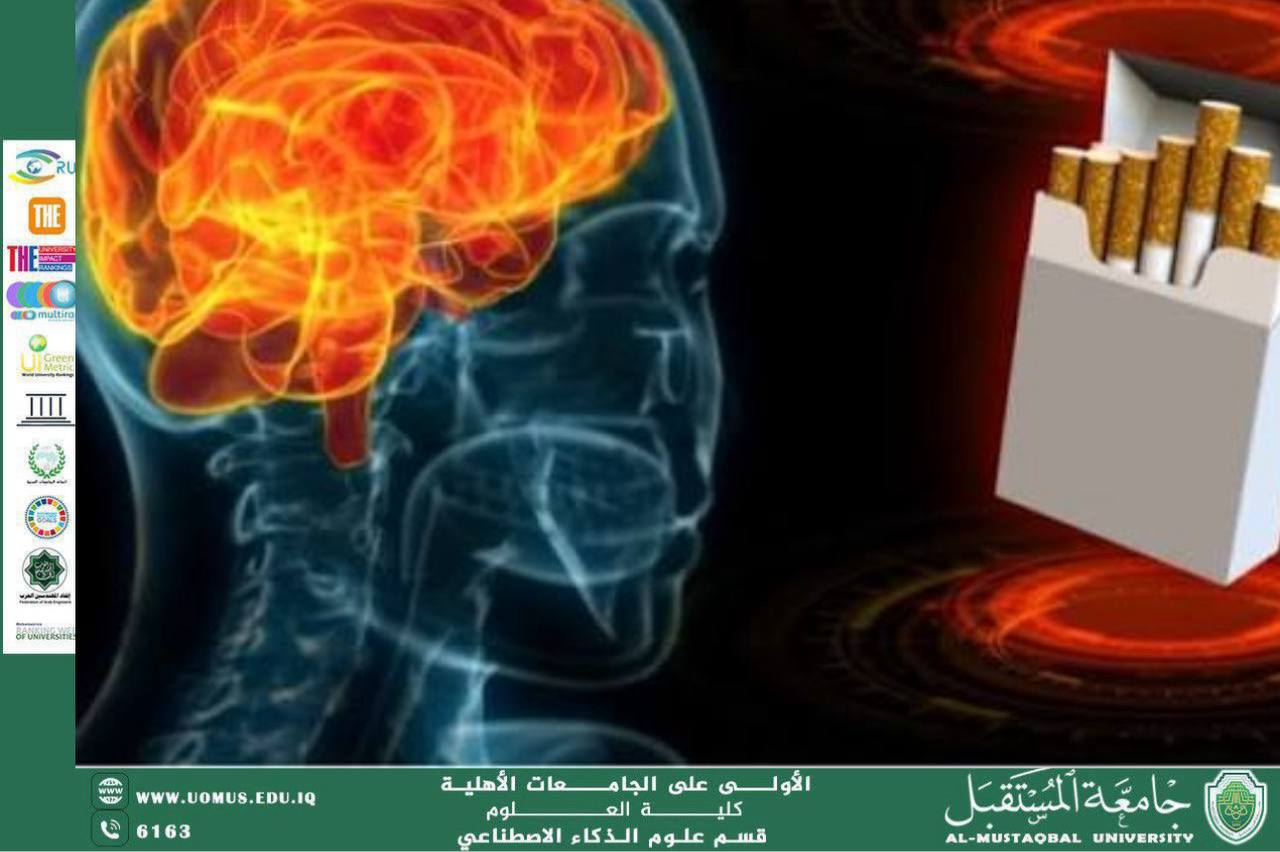
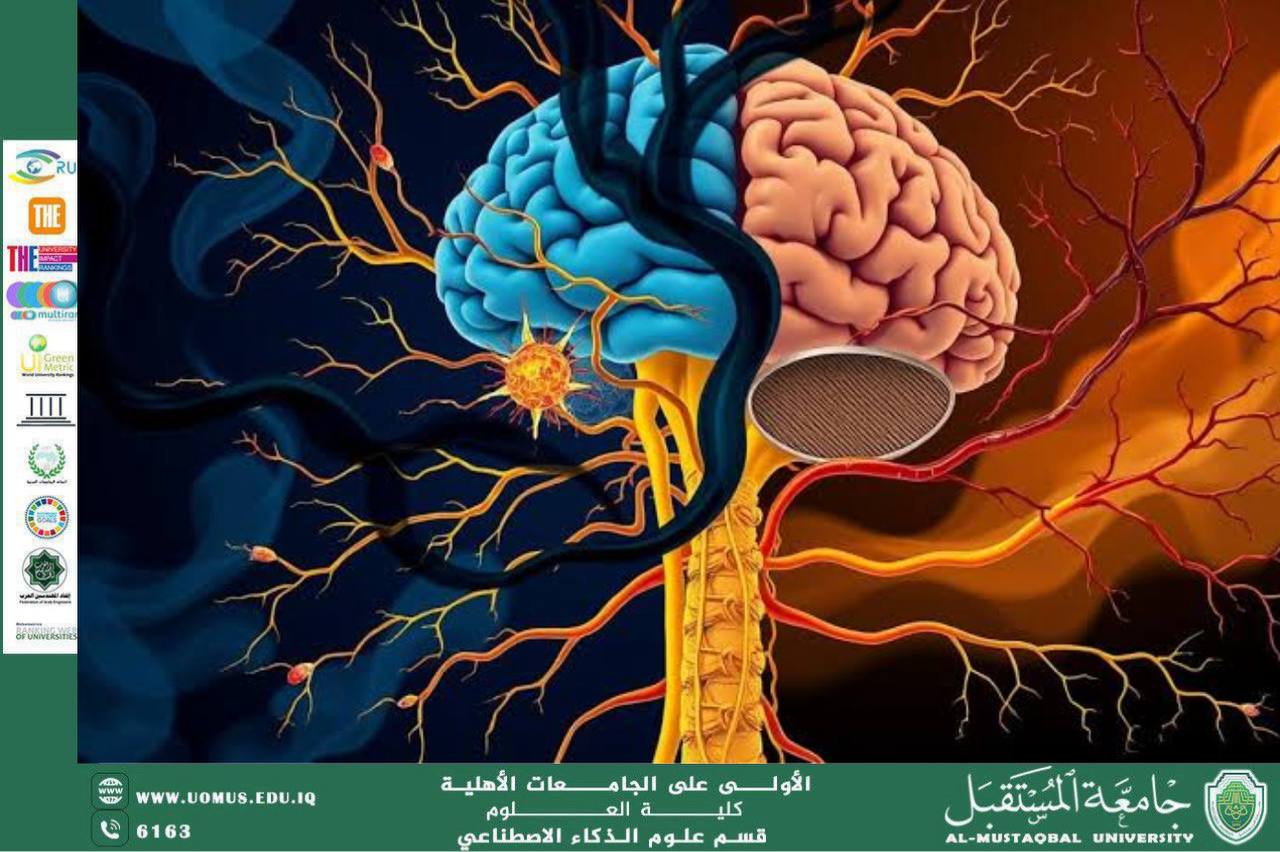
Mechanism of Nicotine’s Effect on the Central Nervous System and Brain Receptors
Nicotine is one of the most influential psychoactive substances affecting the central nervous system (CNS). It is the primary compound responsible for the neurological effects of smoking and tobacco products. Nicotine directly affects brain activity through its interaction with specific neural receptors, leading to chemical and functional changes in the nervous system.
Mechanism of Action in the Central Nervous System
Once nicotine enters the body, it rapidly reaches the brain via the bloodstream, crossing the blood–brain barrier within seconds. In the brain, nicotine binds to nicotinic acetylcholine receptors (nAChRs), which are widely distributed on neuronal cell membranes in various brain regions.
Effects on Brain Receptors
Nicotine acts as an agonist to these receptors, causing ion channels to open and allowing sodium and calcium ions to enter neurons. This process increases neuronal activity and stimulates the release of several neurotransmitters, most notably dopamine, which is associated with reward and pleasure, as well as norepinephrine and serotonin, which influence attention and mood.
Short- and Long-Term Neurological Effects
In the short term, nicotine may temporarily enhance alertness, concentration, and mood. However, long-term exposure leads to adaptive changes in brain receptors, such as increased receptor numbers or reduced sensitivity. These changes contribute to neural dependence and make cessation more difficult.