The Role of Laser Technology in Aesthetic Medicine By: Dr. Hussein Safaa
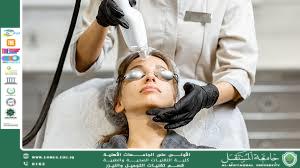
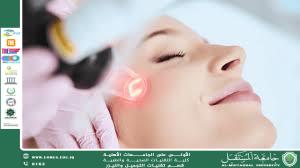
Laser technology has become a cornerstone of modern aesthetic medicine due to its precision, versatility, and effectiveness. The term “laser” stands for Light Amplification by Stimulated Emission of Radiation. In medical practice, lasers are used to deliver controlled light energy to specific targets within the skin, following the principle of selective photothermolysis.
Selective photothermolysis allows the laser to target specific chromophores such as melanin, hemoglobin, or water, while minimizing damage to surrounding tissues. This principle explains why different laser systems are designed with specific wavelengths and pulse durations to treat particular conditions.
One of the most common applications of laser technology is hair removal. Laser hair removal works by targeting melanin within the hair follicle, leading to gradual follicular damage and hair reduction over multiple sessions. Treatment success depends on hair color, skin type, laser wavelength, and correct parameter selection. Proper patient evaluation is essential to reduce the risk of burns or pigmentation changes, especially in darker skin types.
Laser therapy is also widely used for skin rejuvenation. Fractional laser systems create microscopic zones of thermal injury surrounded by healthy tissue. This controlled injury stimulates collagen production, improves skin texture, reduces fine lines, and enhances overall skin tone. Fractional lasers are particularly effective in treating acne scars and post-surgical scars.
Another important application of laser technology is the treatment of pigmentation disorders and vascular lesions. Lasers can selectively target excess melanin or abnormal blood vessels, improving conditions such as melasma, sunspots, and facial redness when used correctly.
Despite its benefits, laser treatment is not risk-free. Inappropriate settings, lack of experience, or poor post-treatment care can lead to complications such as burns, scarring, or post-inflammatory hyperpigmentation. Therefore, laser procedures should always be performed by trained medical professionals using approved devices and evidence-based protocols.
In conclusion, laser technology has transformed aesthetic medicine by providing safe, precise, and effective treatment options. Its success depends on correct patient selection, professional expertise, and proper post-procedure care.
AL_mustaqbal University is the first university in Iraq