
Quantum computing surpasses classical physics: A scientific article by Dr. Anis Ali
1. Introduction: Beyond Binary
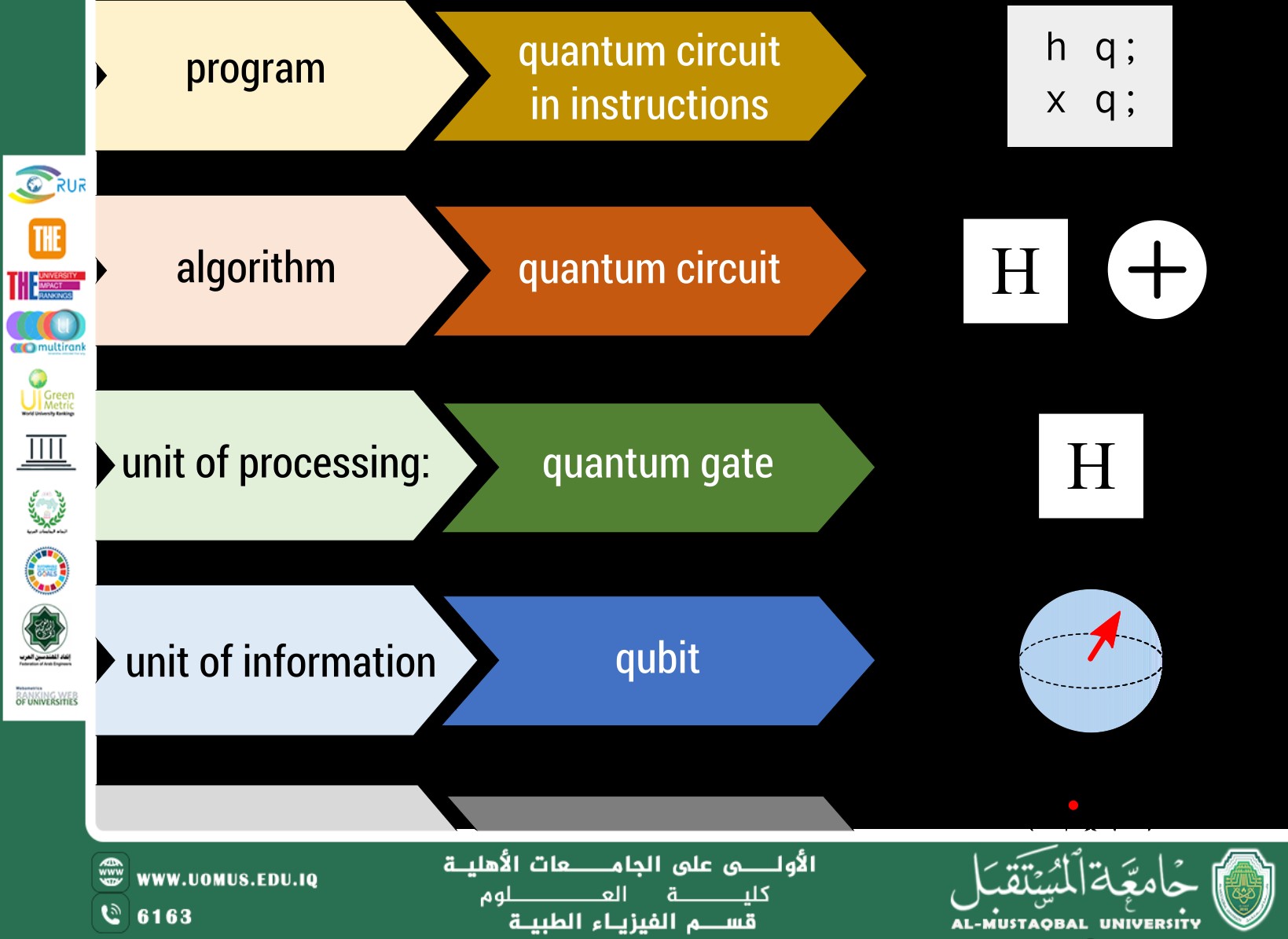
Classical computers process information in bits (0 or 1). Quantum computing, however, leverages the principles of quantum mechanics to process information in Qubits. This shift represents a fundamental change in how we calculate, moving from linear processing to exponential multidimensionality.
2. Key Concepts: Superposition and Entanglement
Superposition: Unlike a classical bit, a Qubit can exist in multiple states simultaneously (both 0 and 1). This allows quantum computers to explore a vast number of potential solutions to a problem at the same time.
Entanglement: This is a unique quantum phenomenon where Qubits become linked. The state of one Qubit instantly influences the state of another, regardless of distance. This creates a highly synchronized system that operates faster than any classical network.
3. Quantum Supremacy
Quantum Supremacy occurs when a quantum device performs a calculation that is practically impossible for a classical supercomputer. In 2019, Google's Sycamore processor completed a task in 200 seconds that would have taken the world’s fastest supercomputer 10,000 years. This proved that quantum machines are not just faster; they operate on a completely different level of physics.
4. The Challenges
Despite the potential, building these machines is incredibly difficult. Qubits are extremely sensitive to their environment (noise, heat, and vibration), which causes "Decoherence" (loss of quantum state). To work, these computers must be kept at temperatures colder than outer space.
"AL_mustaqbal University is the first university in Iraq"