Personalized Medicine: Using Genetic Profiling to Design Tailored Treatments - A Scientific Article by Ms. Lubna Ali
1. Introduction: The Paradigm Shift
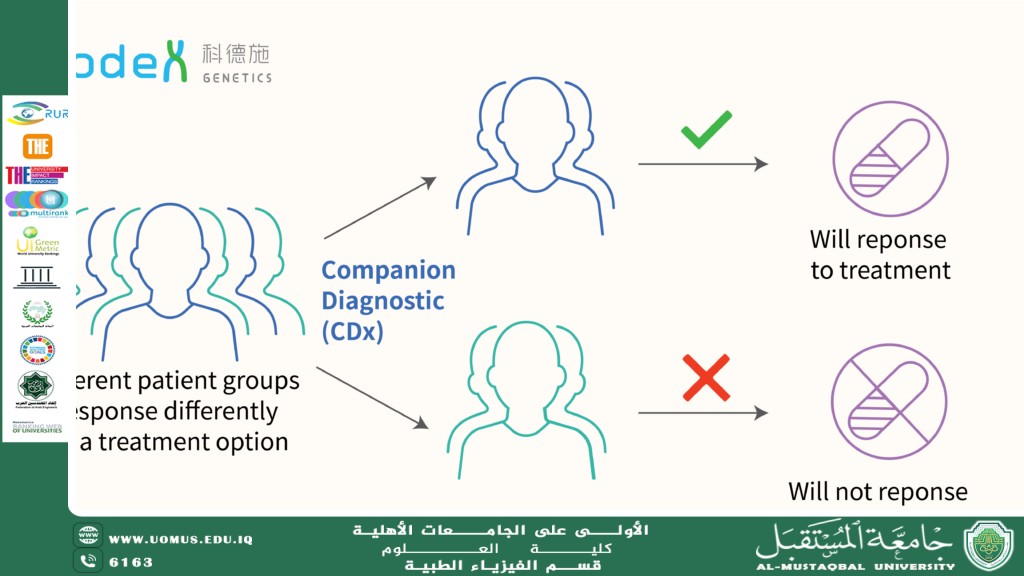
For decades, medicine followed a "one-size-fits-all" approach. Patients with the same diagnosis received the same treatment, regardless of their biological differences. Personalized Medicine changes this by using a patient’s genetic profile to guide decisions made in regard to the prevention, diagnosis, and treatment of disease.
2. The Power of Genetic Profiling
Genetic profiling involves sequencing a patient’s genome to identify specific variations. A key field here is Pharmacogenomics, which studies how genes affect a person’s response to drugs.
High Metabolizers: Some patients process drugs too quickly, rendering the treatment ineffective.
Poor Metabolizers: Others process drugs too slowly, leading to dangerous toxicity levels.
3. Precision Oncology: A Success Story
In cancer treatment, personalized medicine has been a literal lifesaver. Instead of treating cancer based on its location (e.g., breast or liver), doctors now treat it based on its genetic driver. Targeted therapies can shut down the specific signals that tell cancer cells to grow, resulting in higher survival rates and fewer side effects compared to traditional chemotherapy.
4. The Future: Preventive Personalized Medicine
Beyond treating current diseases, genetic profiling allows us to predict future risks. If a person knows they have the BRCA1/2 gene mutation, they can take proactive steps to prevent cancer before it even starts. This shifts the focus of healthcare from "sick care" to true "well-care."
Al-Mustaqbal University
The First University in Iraq