The End of the Plaster Age? Additive Manufacturing and Custom Orthotics
For decades, Plaster of Paris has been the prosthetist and orthotist’s constant companion. The process of casting, modifying the positive mold, and fabrication required exceptional manual dexterity; however, it was inherently time-consuming, occasionally lacking in absolute precision, and notably messy. Today, our field is undergoing a paradigm shift through the integration of 3D Scanning and Additive Manufacturing (3D Printing).
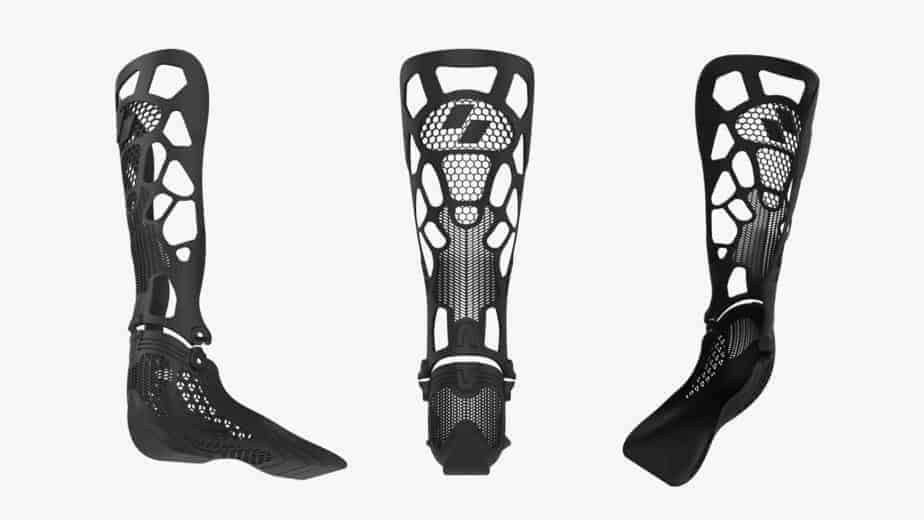
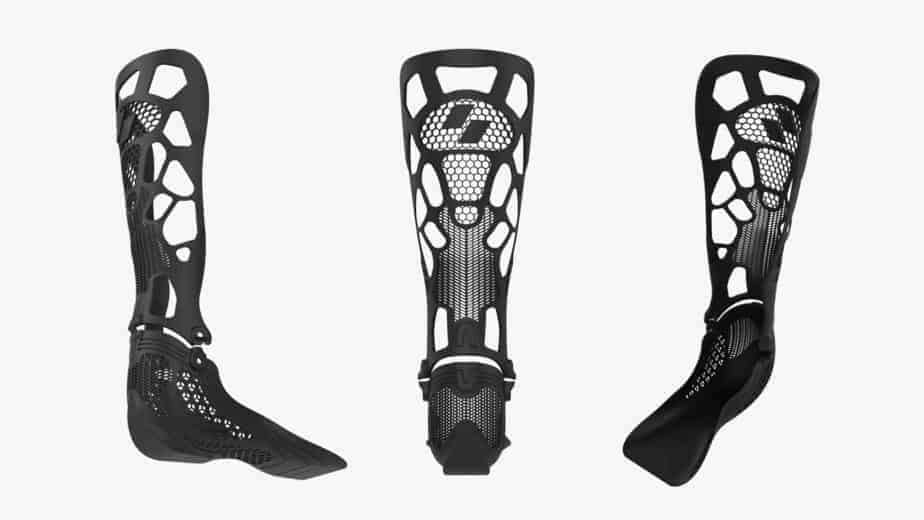
The fundamental difference lies not merely in "speed," but in the "internal geometry" of the device. In traditional methods (such as vacuum forming), the thickness of the orthosis is relatively uniform. With 3D printing, however, we can manipulate material density at a granular level. It is now possible to engineer an Ankle-Foot Orthosis (AFO) that is rigid around the ankle for structural stability, yet flexible and thin at the forefoot to facilitate gait roll-over—all within a single, seamless component.
Furthermore, this technology addresses the issue of skin ventilation. Instead of solid plastic that traps heat, engineering algorithms allow us to design Lattice Structures. These structures provide comparable strength at a reduced weight while allowing for airflow. This transition from manual plaster sculpting to digital design does not eliminate the clinician's role; rather, it liberates them from routine