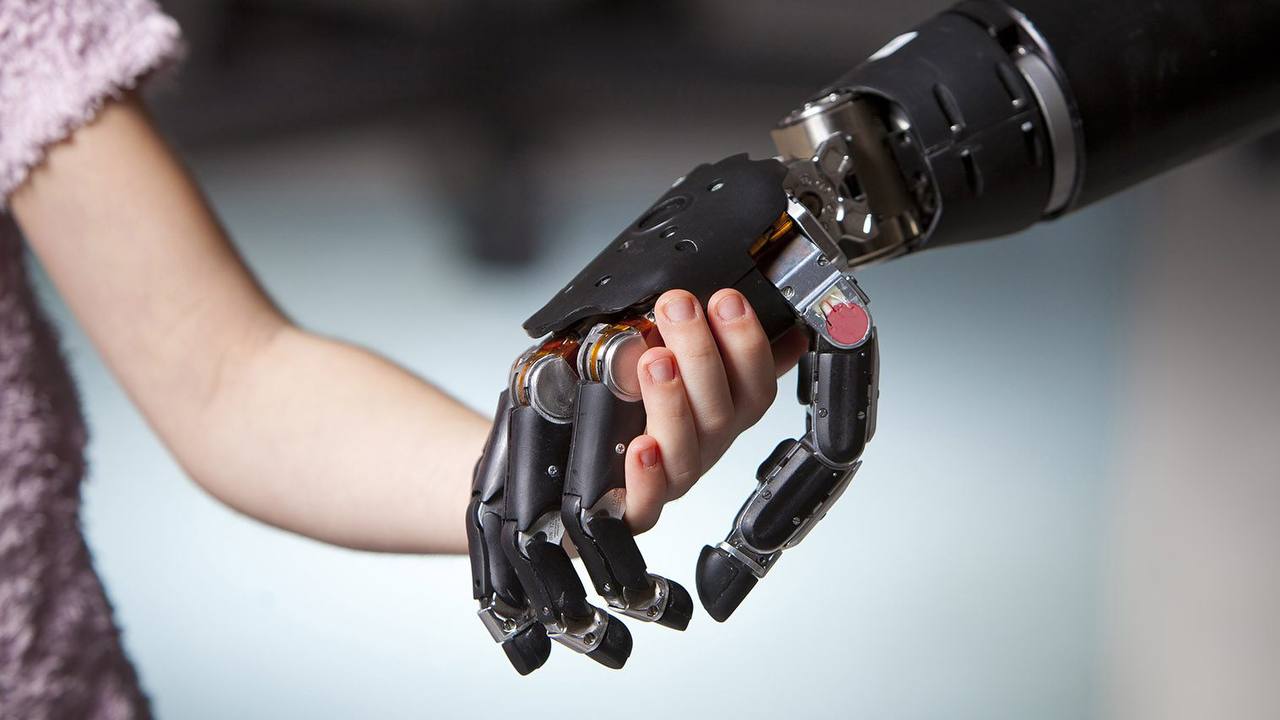
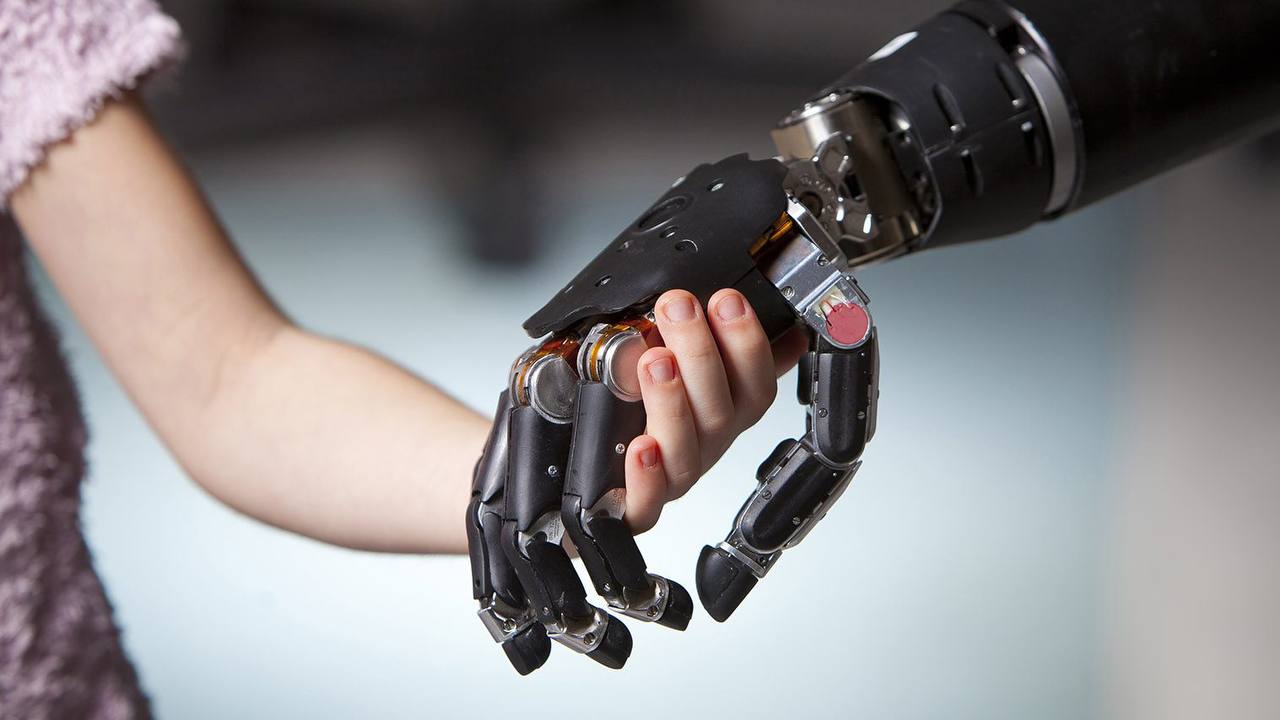
Types of Prosthetic Limbs and Their Functions
Types of Prosthetic Limbs and Their Functions
Prosthetic limbs are considered one of the most important applications of biomedical engineering. They aim to compensate for the loss of a body limb due to congenital conditions, accidents, or diseases, and to enable patients to regain their ability to move or perform daily activities. This significantly contributes to improving quality of life and social integration.
First: Classification of Prosthetic Limbs According to Body Location
Prosthetic limbs are classified based on their location of use into two main types:
1. Upper Limb Prosthetics
These include prosthetic devices that replace parts of the upper limb, such as:
Prosthetic hands
Prosthetic arms (below-elbow or above-elbow)
Their main function is to assist users in performing daily activities such as grasping objects, writing, eating, and carrying out various occupational tasks.
2. Lower Limb Prosthetics
These include prosthetic devices that replace parts of the lower limb, such as:
Prosthetic legs
Prosthetic feet
Their primary function is to enable patients to stand, walk, and maintain balance, in addition to supporting natural movement and reducing the physical effort required during mobility.
Second: Classification of Prosthetic Limbs According to Operating Mechanism
Prosthetic limbs are also classified according to their operating mechanism and the technologies used into:
1. Mechanical Prosthetic Limbs
These rely on body-powered mechanical movements, such as shoulder or trunk motion, to transfer force through cables or mechanical linkages.
They are characterized by simplicity, durability, and low cost, but they may be limited in terms of precision and ease of control.
2. Electrical (Myoelectric) Prosthetic Limbs
These depend on electrical signals generated by the muscles of the residual limb. Special sensors detect these signals and convert them into precise movements of the prosthetic limb.
They offer better control and a more realistic appearance; however, they require a power source and regular maintenance.
3. Smart Prosthetic Limbs
These represent the latest generation of prosthetic technology, as they rely on advanced sensors, intelligent control systems, and sometimes artificial intelligence techniques.
They are distinguished by their ability to adapt to the user’s movements and the surrounding environment, significantly enhancing functional performance.
Choosing the Appropriate Prosthetic Limb
Selecting the appropriate prosthetic limb depends on several factors, including:
The patient’s medical condition
The level of amputation
The user’s lifestyle and daily activities
Age and functional abilities
Available technical and financial resources
Conclusion
Prosthetic limbs continue to evolve with technological advancement, opening wide horizons for improving users’ functional performance. The integration of biomedical engineering, smart technologies, and a deep understanding of patient needs plays a vital role in designing more effective and humane prosthetic solutions.