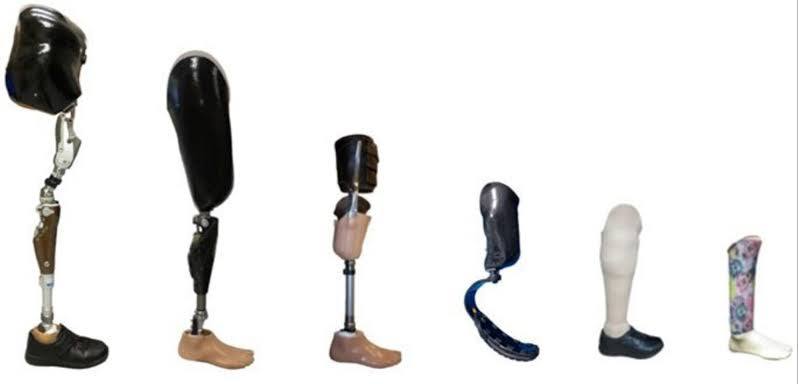

Medical Orthoses and Their Therapeutic Role
Medical orthoses are important therapeutic devices used in the field of biomedical engineering and rehabilitation. They are designed to support or correct the position of a specific body part, helping to improve functional movement and reduce complications resulting from injuries or deformities.
### Support and Correction
Medical orthoses provide essential support for weakened or injured body parts and contribute to correcting abnormal postures, preventing further deterioration of the condition. Common types include:
* **Knee orthoses**: Used to support the knee joint and reduce stress on it, especially in cases of sports injuries or osteoarthritis.
* **Spinal orthoses**: Applied to correct abnormal spinal curvatures and support the vertebrae, such as in cases of scoliosis or chronic back pain.
* **Ankle and foot orthoses**: Help stabilize the joint and improve gait and balance, particularly after injuries or in patients with foot disorders.
### Therapeutic Role of Medical Orthoses
Medical orthoses are used in various conditions, including:
* Musculoskeletal and sports injuries
* Congenital deformities
* Post-surgical rehabilitation
Their therapeutic benefits include:
* Reducing pain and joint stress
* Improving stability and mobility
* Preventing the progression of the condition
* Supporting physical therapy and rehabilitation programs
### Conclusion
Medical orthoses play a vital role in enhancing patients’ quality of life. They represent a non-surgical therapeutic solution that helps restore functional movement safely and effectively, especially when designed and prescribed according to each patient’s specific condition.