Materials Used in Prosthetics and Orthotics
The materials used in the manufacture of prosthetics and orthotics play a vital role in ensuring effective performance and user comfort. Choosing the appropriate material depends on several factors, including the weight of the prosthesis, the required strength, biocompatibility, and resistance to wear.
1. Polymers
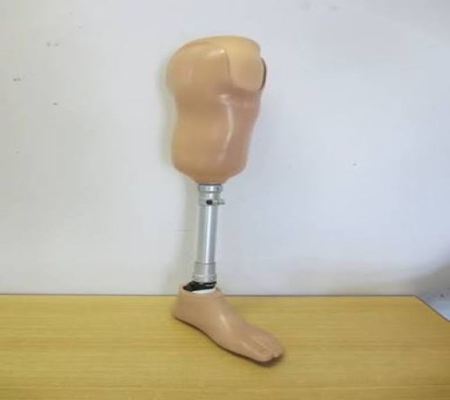
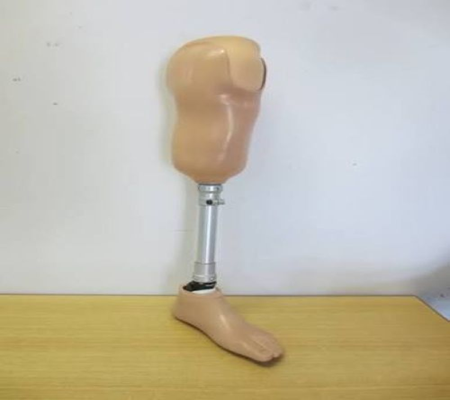
Polymers are among the most commonly used materials in prosthetics and orthotics due to their unique properties such as light weight and ease of shaping. External and internal parts of prostheses can be made from polymers such as Polyethylene or Polyurethane, which provide comfortable flexibility for the patient and reduce strain on muscles and joints.
2. Metals
Metals play an important role in supporting the strength and durability of prosthetics and orthotics. The most commonly used metals include:
Titanium: Lightweight, strong, corrosion-resistant, and highly biocompatible with body tissues.
Aluminum: Light and easy to shape, used in parts that require strength with low weight.
3. Bioceramics
Some parts use bioceramics to improve biocompatibility, especially in prostheses that directly connect to bones or joints. Bioceramics are wear-resistant and reduce the likelihood of the body reacting to the material of the prosthesis.
4. Composite Materials
Composite materials, such as Carbon Fiber, combine strength and light weight, and are widely used in modern prosthetics. These materials can withstand high loads while maintaining flexibility suitable for natural movement.
Required Properties of Materials
For prosthetics and orthotics to function safely and effectively, the following properties must be present:
Durability: The ability to withstand daily use and repeated stress without damage.
Light Weight: Reducing weight contributes to patient comfort and ease of movement.
Biocompatibility: Avoiding any allergic reaction or adverse interaction with body tissues.
Wear Resistance: Protecting materials from environmental factors and repeated friction to ensure long-term durability of the prosthesis.
In summary, the success of prosthetics and orthotics depends on intelligently combining different materials to achieve an optimal balance between strength, comfort, and safety, allowing the patient to regain natural movement as much as possible.