Ginseng Plant
Ginseng Plant
M.M. Samaher Saad Hadi
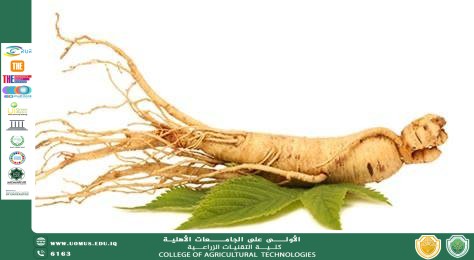
Ginseng is one of the most important traditional medicinal herbs. It contains active compounds such as ginsenosides, which give it stimulating and strengthening effects on both the body and the mind. However, it may cause some adverse effects if used excessively or without medical supervision.
Definition of Ginseng
• Scientific name: Panax ginseng (Asian ginseng) and Panax quinquefolius (American ginseng).
• Origin: Native to Korea, China, Japan, and North America.
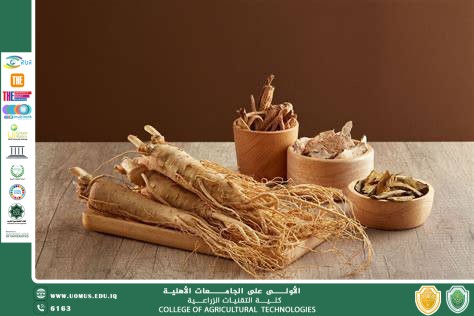
• Used part: The root is the most medically valuable part.
Active Compounds
• Ginsenosides: Saponin compounds responsible for most of the medicinal effects, such as enhancing immunity and improving energy levels.
• Polyphenols and antioxidants: Protect cells from damage.
• Peptides and polysaccharides: Contribute to supporting the functions of the nervous and immune systems.
Traditional and Modern Uses
• Traditional Chinese medicine: Used as a general tonic to strengthen the body, increase endurance, and reduce fatigue.
• Modern uses include:
• Improving concentration and memory.
• Enhancing sexual activity in both men and women.
• Supporting cancer patients in overcoming fatigue during treatment.
• Boosting immunity and resisting inflammation.
Health Benefits
• Increases physical and mental energy.
• Improves cognitive performance and memory.
• Strengthens the immune system.
• Anti-aging effects due to antioxidants.
• Regulates blood sugar levels.
• Improves blood circulation and cardiovascular health.
Side Effects and Potential Risks
• Insomnia and sleep disturbances when consumed excessively.
• Increased or decreased blood pressure depending on dosage and individual condition.
• Interaction with certain medications such as blood thinners or diabetes drugs.
• Digestive problems such as nausea or diarrhea with excessive use.
• Not suitable for pregnant or breastfeeding women unless under medical supervision.
Al-Mustaqbal University
Ranked first among private universities in Iraq.