"A scientific article by Lecturer M.M. Ali Kumait Hamad entitled: “Delayed Wound Healing: The Hidden Causes Behind Slow Recovery
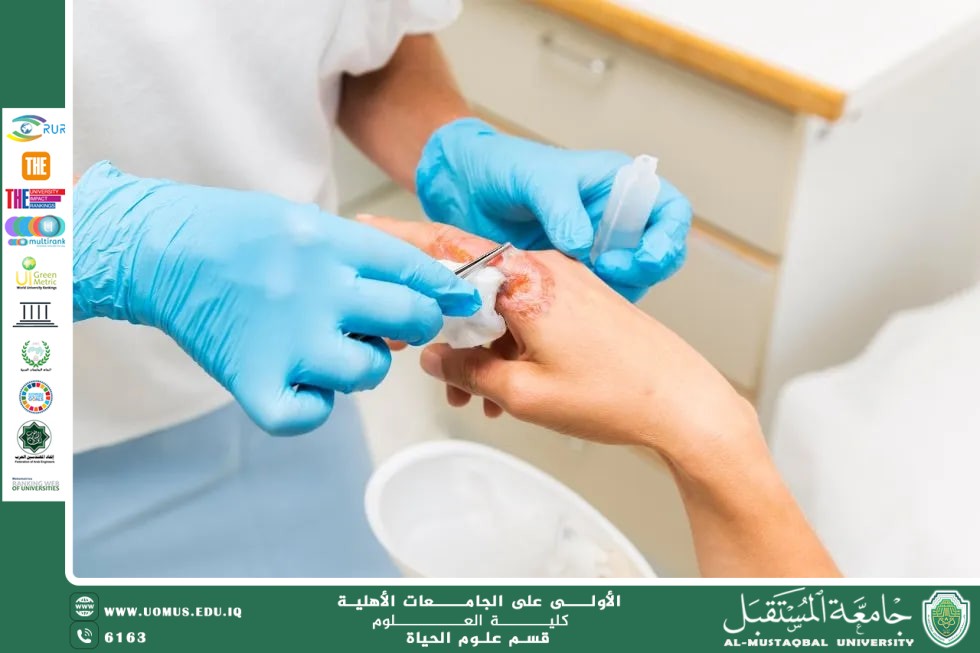
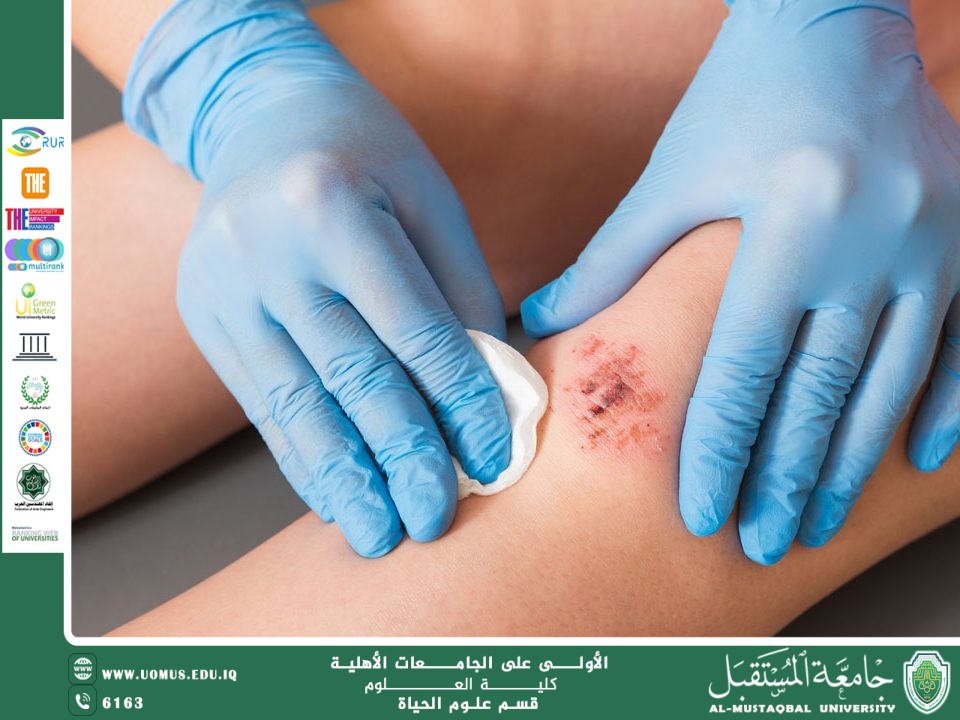
The human body’s ability to repair itself is one of the most precise and astonishing biological processes. As soon as a wound occurs, the body mobilizes its various systems in a harmonious symphony that begins with stopping bleeding, passes through the defensive inflammatory phase, and culminates in the formation of new tissue and the restoration of the skin. However, for some individuals, this natural process falters, and minor wounds turn into a health challenge that can persist for weeks or even months with little noticeable improvement. What hinders this innate process? And why do some people heal quickly while others struggle?
The role of general health and chronic diseases
The answer often lies in an individual’s overall health status. Diabetes tops the list of the most common causes of delayed healing, as elevated blood sugar levels lead to narrowing and hardening of blood vessels, impairing the delivery of oxygen-rich blood to the injured area. Moreover, diabetes causes immune dysfunction and peripheral nerve damage, which may prevent the affected person from noticing the worsening of a wound until it is too late.
Alongside diabetes, circulatory health plays a pivotal role. Blood is the sole means of transporting nutrients and building cells; therefore, any deficiency in arteries or veins means that the “worksite” of the wound lacks the raw materials necessary for closure.
Nutrition: the fuel for the rebuilding process
The body cannot create new tissue from nothing. Healing is a constructive process that requires specific “fuel.” Individuals suffering from malnutrition—particularly protein deficiency—face significant difficulty in skin repair. In addition, deficiencies in essential vitamins and minerals such as vitamin C, zinc, and iron lead to impaired collagen production, the protein responsible for the strength and elasticity of newly formed skin.
Lifestyle: hidden enemies of healing
Beyond diseases, daily habits may be the greatest obstacle. Smoking is the primary enemy of wound healing; nicotine constricts blood vessels and deprives tissues of oxygen, while carbon monoxide replaces oxygen in the blood, effectively suffocating cells attempting to repair damage. Added to this are factors such as chronic psychological stress and insufficient sleep, which elevate cortisol levels and weaken the immune response.
Other factors: infection, medications, and age
Local factors cannot be overlooked, foremost among them bacterial infection. When a wound becomes contaminated, the body is forced to divert its energy toward fighting bacteria rather than rebuilding tissue, bringing the healing process to a halt. Certain medications, such as corticosteroids and chemotherapy agents, may also inhibit cell division and growth. Finally, aging naturally slows these processes, as the skin becomes thinner and the body’s inflammatory response less efficient.
Al-Mustaqbal University is the First University in Iraq
الهدف الرابع : التعليم الجيد