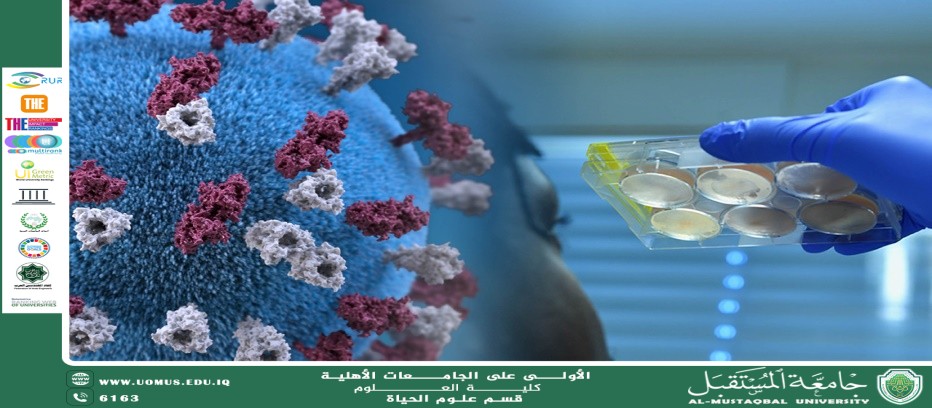
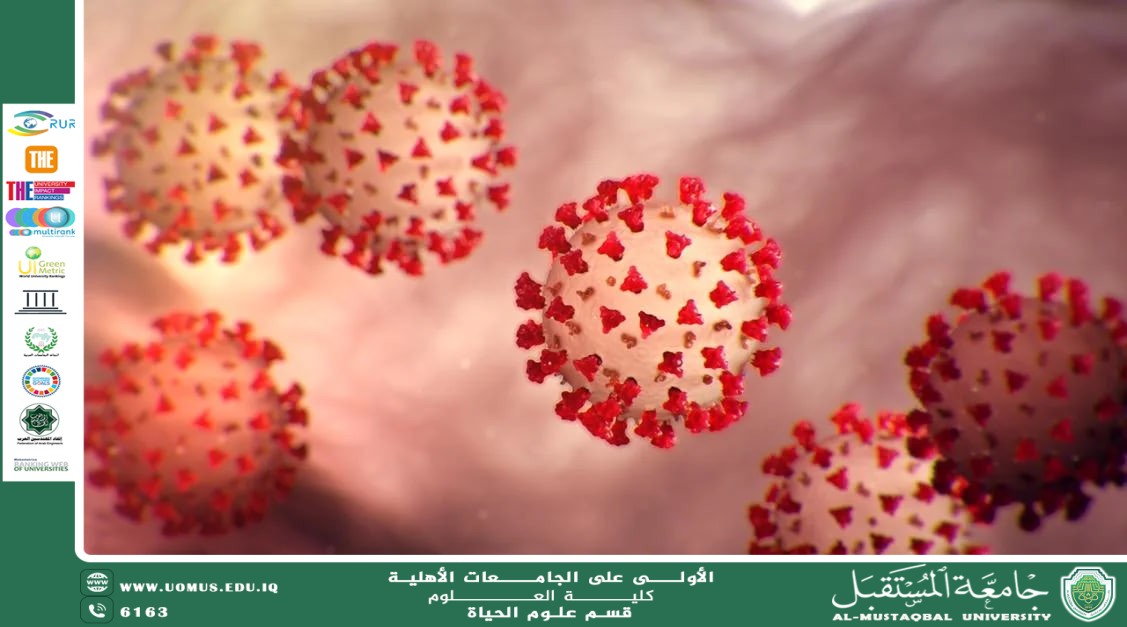
"A scientific article by Dr. Amir Naji Ubaid entitled: “Seasonal Influenza: Its Signs and Symptoms, Modes of Transmission, Impact, and Strategies to Limit Its Spread in the Community
Seasonal Influenza (Flu) is an acute respiratory infection caused by influenza viruses. It is common worldwide, and most people recover without treatment.
Influenza spreads easily from person to person through coughing or sneezing. Vaccination is the most effective way to prevent the disease.
Symptoms of influenza include a sudden onset of fever, cough, sore throat, body aches, and fatigue.
Treatment should focus on relieving symptoms. People with influenza should rest and drink plenty of fluids. Most individuals recover spontaneously within a week. Medical care may be required for severe cases and for people at higher risk.
There are four types of influenza viruses: A, B, C, and D. Influenza virus types A and B circulate and cause seasonal epidemics.
Influenza A viruses are further classified into subtypes based on combinations of proteins on the virus surface. The currently circulating subtypes among humans are A(H1N1) and A(H3N2). The A(H1N1) subtype is also written as A(H1N1)pdm09 because it caused the 2009 pandemic and replaced the previously circulating A(H1N1) virus. Influenza A viruses are the only ones known to cause pandemics.
Influenza B viruses are not classified into subtypes but can be divided into lineages. Influenza B viruses belong to either the B/Yamagata or B/Victoria lineage.
Influenza C virus infections are detected less frequently and usually cause mild illness; therefore, they are not of major public health importance.
Influenza D viruses primarily affect cattle and are not known to infect or cause disease in humans.
Signs and Symptoms
Symptoms of influenza usually begin about two days after infection from an infected person. They include:
Sudden onset of fever
Cough (usually dry)
Headache
Muscle and joint pain
Severe malaise
Sore throat
Runny nose
The cough can be severe and may last for two weeks or more. Most people recover from fever and other symptoms within a week without requiring medical attention. However, influenza can cause severe illness or death, particularly among individuals at high risk.
Influenza can worsen symptoms of other chronic diseases. In severe cases, it can lead to pneumonia and sepsis. People with underlying medical conditions or severe symptoms should seek medical care.
Hospitalization and deaths due to influenza occur mainly among high-risk groups. In industrialized countries, most influenza-related deaths occur among people aged 65 years and older (1).
Although the impact of seasonal influenza epidemics in developing countries is not fully known, research estimates indicate that developing countries account for 99% of deaths among children under five years of age with influenza-associated lower respiratory tract infections (2).
Epidemiological Characteristics
All age groups can be affected, but certain groups are at higher risk:
People at greater risk of severe disease or complications include pregnant women, children under five years of age, older adults, individuals with chronic medical conditions (such as chronic heart, lung, kidney, metabolic, neurodevelopmental, liver, or blood diseases), and individuals with immunosuppressive conditions (such as HIV infection, chemotherapy, steroid therapy, or malignancies).
Health and care workers are at high risk of influenza virus infection due to increased exposure to patients and can further transmit the virus to vulnerable individuals. Vaccination protects healthcare workers and those around them.
Epidemics can lead to high levels of work and school absenteeism and losses in productivity. Clinics and hospitals may experience increased burden during peak disease periods.
Transmission
Seasonal influenza spreads easily and rapidly in crowded settings, including schools and nursing homes. When an infected person coughs or sneezes, virus-containing droplets spread into the air and can infect people nearby. The virus can also spread through hands contaminated with influenza viruses. To prevent transmission, people should cover their mouths and noses with a tissue when coughing and wash their hands regularly.
In temperate regions, seasonal influenza epidemics occur mainly during winter, while in tropical regions epidemics can occur throughout the year, causing less frequent outbreaks.
The time between infection and onset of illness, known as the incubation period, is about two days, ranging from one to four days.
Diagnosis
Most cases of human influenza are diagnosed clinically. However, during periods of low influenza activity or outside epidemics, other respiratory viruses (such as SARS-CoV-2, rhinovirus, respiratory syncytial virus, parainfluenza viruses, and adenovirus) may circulate and cause influenza-like illness, making clinical differentiation difficult.
Appropriate respiratory samples must be collected and laboratory diagnostic testing performed to confirm the diagnosis. Proper collection, storage, and transport of respiratory specimens are essential for laboratory detection. Laboratory confirmation is usually achieved through direct antigen detection, virus isolation, or detection of influenza RNA by reverse transcription polymerase chain reaction (RT-PCR). Rapid diagnostic tests are used in clinical settings but have lower sensitivity compared to RT-PCR-based methods, and their reliability depends largely on the conditions in which they are used.
Treatment
Most people recover from influenza without medical treatment. Individuals with severe symptoms or underlying medical conditions should seek medical care.
People with mild symptoms should:
Stay at home to avoid infecting others;
Rest;
Drink adequate amounts of fluids;
Treat symptoms such as fever;
Seek medical care if symptoms worsen.
People at high risk or with severe illness should receive antiviral medications as early as possible. These include:
Pregnant women;
Children under 59 months of age;
Adults aged 60 years and older;
People with chronic medical conditions;
Individuals receiving chemotherapy;
People with weakened immune systems due to HIV or other conditions.
The WHO Global Influenza Surveillance and Response System monitors antiviral resistance among circulating influenza viruses to provide timely data for national antiviral use policies.
Prevention
Vaccination is the best way to prevent influenza.
Safe and effective vaccines have been used for more than 60 years. Immunity from vaccination declines over time, so annual vaccination is recommended for protection against influenza.
Although vaccines may be less effective in older adults, they reduce disease severity and lower the risk of complications and death.
Vaccination is especially important for people at high risk of influenza complications and their caregivers.
Annual vaccination is recommended for:
Pregnant women;
Children aged 6 months to 5 years;
Adults over 65 years of age;
Individuals with chronic medical conditions;
Healthcare workers.
Other preventive measures include:
Regular hand washing and drying;
Covering the mouth and nose when sneezing or coughing;
Proper disposal of tissues;
Staying at home when feeling unwell;
Avoiding close contact with sick individuals;
Avoiding touching the eyes, nose, and mouth.
Vaccines
Influenza vaccines are updated regularly, and new vaccines are developed containing virus strains that match circulating viruses. Several inactivated influenza vaccines and recombinant influenza vaccines are available as injections. Live attenuated influenza vaccines are available as a nasal spray.
Al-Mustaqbal University is The First University in Iraq.
الهدف 3 : الصحة الجيدة والرفاه