"A scientific article by Dr. Amir Naji Ubaid entitled: “Stomach Bacteria: The Silent Danger of Developing Gastric Cancer
Helicobacter pylori infection is currently one of the widespread diseases due to various factors. It significantly affects an individual’s quality of life because of the pain it causes. Patients need to adhere consistently to treatment in order for the pain to subside, feel improvement, and begin enjoying their lives again.
In some cases, H. pylori may be present in the human body without attacking the stomach lining, so no symptoms appear until a later stage, when the bacteria begin to damage the stomach.
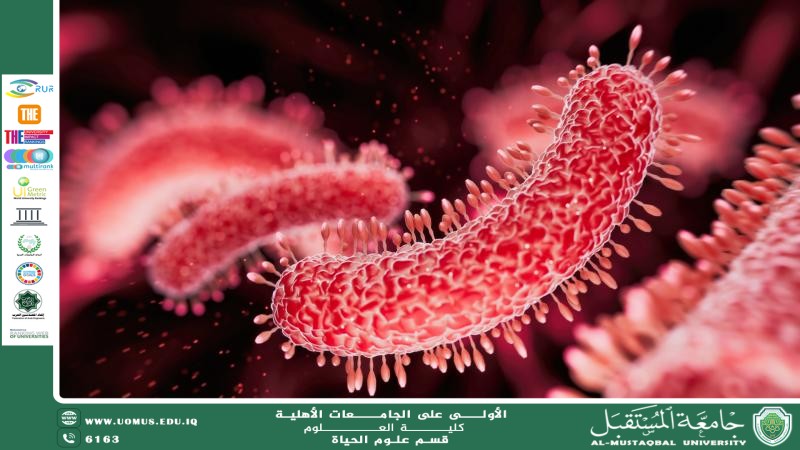
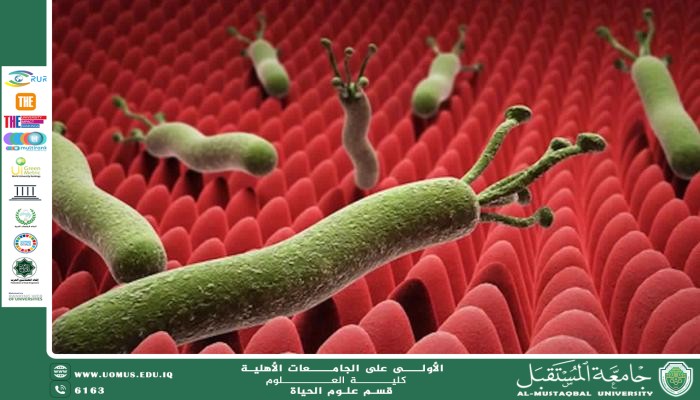
Helicobacter pylori, as it is known in Latin, is a type of rod-shaped bacterium that colonizes the stomach and the duodenum, causing inflammation of the mucosal lining. The condition may progress to cause peptic ulcers in the stomach and duodenum and, in advanced and complicated stages, may develop into gastric cancer. However, about 80% of infected individuals show no symptoms.
The bacterium has a spiral shape and survives in the acidic environment of the stomach. It may increase gastric acidity, leading to severe pain. Diseases caused by H. pylori are among the most common worldwide, varying according to age and living environment. The infection is easily transmitted, often from an infected person to a healthy one through shared personal items or contaminated food.
Discovery of the Disease and Its Prevalence
Approximately 50% of the world’s population is infected with H. pylori, with higher prevalence in developing countries. Some scientists believe that the exact mode of transmission is unknown, while others support previously mentioned routes such as sharing personal items, close contact with infected individuals, or consuming contaminated food.
The bacterium was discovered in 1982 by the Australian scientists Robin Warren and Barry Marshall. They published a research paper proposing that gastritis and ulcers are not caused solely by spicy foods, but are strongly associated with H. pylori. To prove this hypothesis, Marshall ingested a culture of the bacteria and soon developed gastritis within weeks. Bad breath was one of the first symptoms. He later treated himself with antibiotics to eliminate the bacteria.
As a result of this groundbreaking discovery, Warren and Marshall were awarded the Nobel Prize in Physiology or Medicine for identifying H. pylori as a cause of peptic ulcers and gastritis.
Symptoms Associated with H. pylori
When the bacterium penetrates the stomach lining, it secretes acidic substances of varying intensity and toxicity from one patient to another, causing severe inflammation of the stomach wall. This inflammation may progress to malignant tumors. The toxins released by the bacterium affect gastric cells, leading to loss of appetite, pain, and difficulty eating and chewing. Common symptoms include:
Severe pain in the upper abdomen, the most common and persistent symptom.
Intense, burning heartburn in the throat or esophagus due to increased acidity.
Acid reflux, with food returning from the stomach to the esophagus, causing pain and burning.
Frequent belching, an important symptom of H. pylori.
Nausea, vomiting, diarrhea, abdominal bloating, and gas.
In severe cases, complications may occur, potentially leading to obstruction of one of the heart valves.
Reduced iron levels in the blood, causing anemia.
Diagnosis of H. pylori
Diagnosis is made through three main tests:
A blood test to detect antibodies.
A stool test to directly detect the bacterium.
A breath test, known as the urea breath test.
Treatment and Prevention
The first step after diagnosis is eradicating the bacterium to allow the stomach, especially ulcers, to heal. Since patients often suffer from gastrointestinal inflammation, initial treatment usually involves a one-week triple therapy consisting of medications prescribed by a physician. If the first regimen fails, antibiotics are repeated, followed by quadruple therapy if necessary.
For prevention, a broad-spectrum vaccine may be taken before travel. Consuming certain foods such as green tea, ginger, cauliflower, and garlic may also help.
Foods to Avoid for Patients with H. pylori
Refined grains such as white bread, white rice, pasta, and low-fiber cereals. These should be replaced with oats, barley, brown rice, and whole-wheat bread.
Caffeine, as it stimulates gastric acid secretion and worsens pain.
Spicy foods containing hot peppers, chili, hot curry, and heavily spiced Mexican and Indian dishes.
Acidic foods, especially lemon, orange, citrus juices, tomatoes, pickled products, and vinegar. These can be replaced with high-fiber foods such as mango, papaya, banana, beans, zucchini, cauliflower, and turnips.
Al-Mustaqbal University is the First University in Iraq
الهدف 3 : الصحة الجيدة والرفاه