The Biotic Ecosystem
A biotic ecosystem refers to the community of living organisms that interact with one another and with the surrounding abiotic factors such as air, water, soil, sunlight, and temperature. These interactions form a balanced system that supports life on Earth. Biotic ecosystems are fundamental to environmental stability, as they regulate natural processes and ensure the continuity of living organisms.
The biotic ecosystem is composed of three main groups of living components: producers, consumers, and decomposers. Producers include green plants, algae, and some bacteria that have the ability to produce their own food through the process of photosynthesis. By converting solar energy into chemical energy, producers form the base of all food chains and provide energy for all other organisms within the ecosystem.
Consumers depend directly or indirectly on producers for energy. They include herbivores that feed on plants, carnivores that feed on other animals, and omnivores that consume both plant and animal matter. Consumers play a crucial role in transferring energy through food chains and food webs, as well as in regulating population sizes of different species, which helps maintain ecological balance.
Decomposers, such as bacteria and fungi, are essential components of the biotic ecosystem. They break down dead organisms and organic waste into simpler substances, returning vital nutrients to the soil and water. This process supports nutrient cycling and allows producers to reuse these elements, ensuring the sustainability of the ecosystem.
Biotic ecosystems are characterized by biodiversity, which includes the diversity of species, genetic variation, and ecosystem types. High biodiversity enhances ecosystem stability and resilience, enabling ecosystems to adapt to environmental changes and recover from disturbances such as climate change, natural disasters, or human activities. Biodiversity also provides humans with essential resources, including food, medicine, and raw materials.
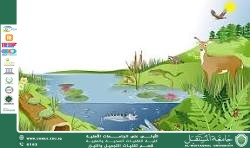
Biotic ecosystems vary widely across the Earth depending on climate and geographical conditions. Terrestrial ecosystems include forests, grasslands, deserts, and tundra, while aquatic ecosystems include rivers, lakes, seas, and oceans. Each ecosystem supports specific types of organisms adapted to its environmental conditions, forming complex networks of biological interactions.
Various biological relationships exist within biotic ecosystems, such as predation, competition, and symbiosis. Predation helps control population growth, competition occurs when organisms vie for limited resources, and symbiosis involves close interactions that may benefit one or both organisms. Together, these relationships regulate ecosystem structure and function.
In recent decades, biotic ecosystems have faced serious threats due to human activities such as pollution, deforestation, overexploitation of natural resources, and climate change. These factors have led to habitat destruction, species extinction, and disruption of ecological balance. Protecting biotic ecosystems has therefore become a global priority.
In conclusion, the biotic ecosystem is a vital foundation for life on Earth. It represents a complex and interconnected system in which living organisms interact with each other and with their environment. Preserving biotic ecosystems is essential for maintaining biodiversity, sustaining natural resources, and ensuring a healthy and balanced future for all living beings.