Toxins and Their Relationship to Biochemistry Prepared by: Lect. Abbas Hamza Khudhair Department of Biochemistry – College of Science – Al-Mustaqbal University
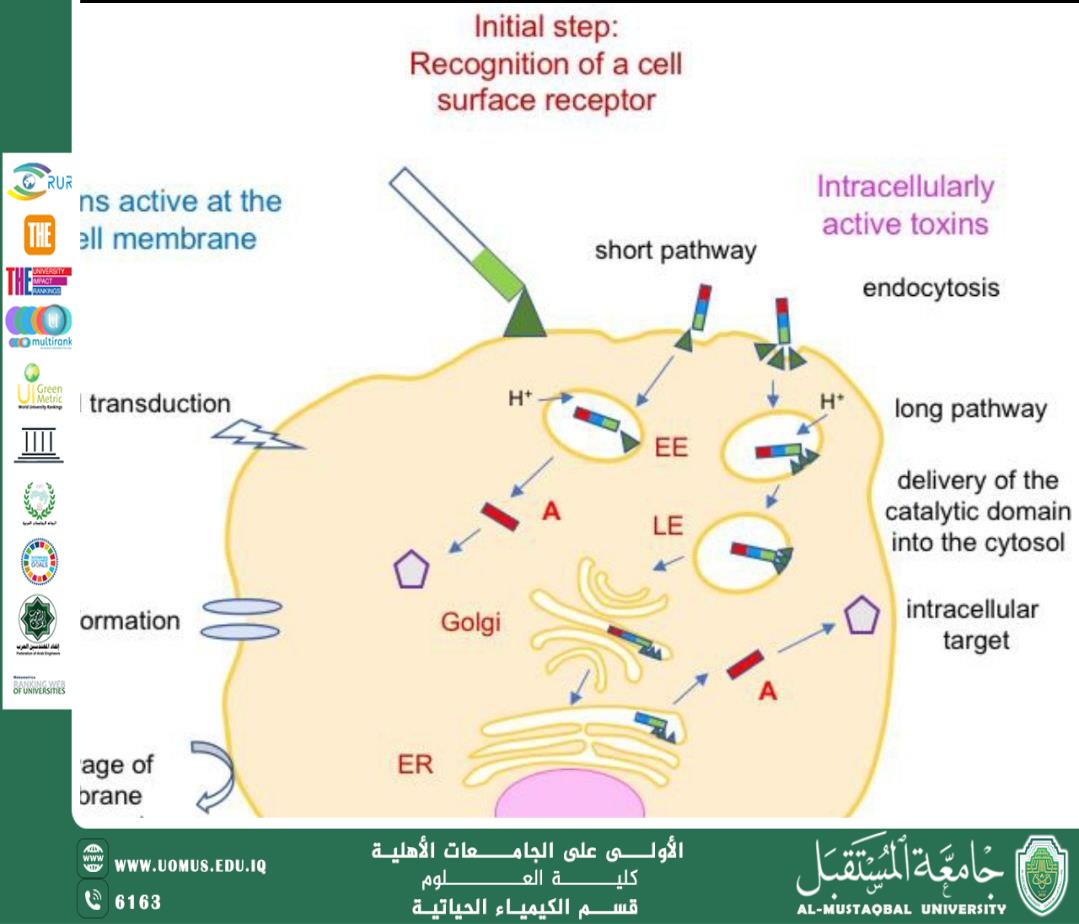
Toxins are harmful substances of biological or chemical origin that exert their effects by interfering with essential biochemical processes inside cells. Toxicity does not occur randomly; rather, it results from specific molecular interactions with enzymes, cellular membranes, or energy-producing pathways.
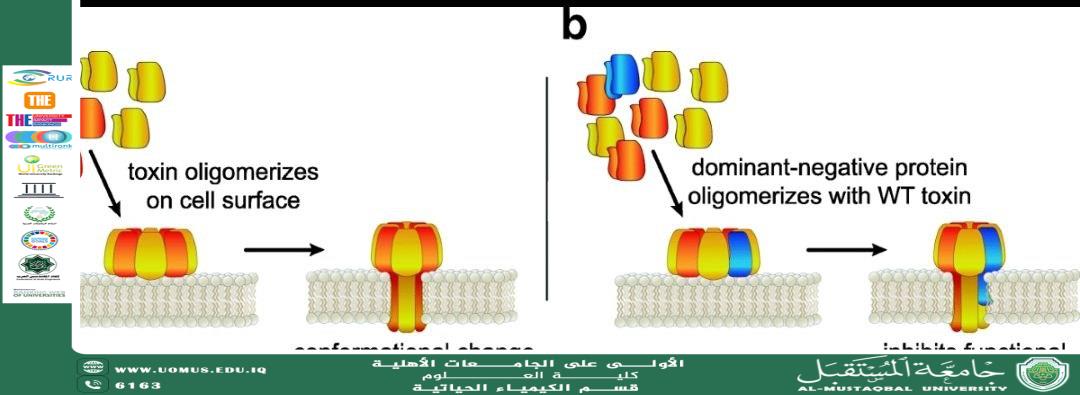
Many toxins act by inhibiting key metabolic enzymes, such as cyanide, which blocks mitochondrial cellular respiration. Others cause damage to cell membranes, as seen with several bacterial toxins and snake venoms. Some toxins interfere with protein synthesis or induce oxidative stress, leading to damage of DNA, proteins, and lipids.
Biochemistry plays a central role in explaining how toxins act at the molecular level and in the development of antidotes, as well as in understanding detoxification mechanisms in the liver and kidneys.
Conclusion:
Toxins exert their harmful effects by targeting the biochemical foundations of life, making toxicology a direct and important application of biochemistry in human health and disease.