"A scientific article by Dr. Amir Naji Ubaid entitled: “The Most Important Genetic Diseases in Humans
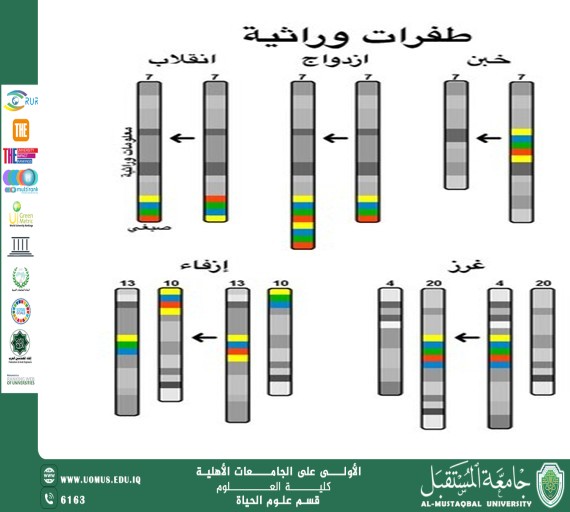
Genetic diseases are any hereditary disorders that occur as a result of defects in an individual’s genetic material. The size of the genetic defect may range from a minor change affecting a single DNA base to major abnormalities involving an entire chromosome or a group of chromosomes, such as the addition or deletion of a whole chromosome.
In general, some genetic diseases are inherited from one or both parents, while others arise due to spontaneous acquired genetic mutations or as a result of environmental factors.
Cystic Fibrosis
One of the most common genetic diseases, caused by a mutation in the gene responsible for regulating the movement of salt into and out of cells. This leads to the formation of thick mucus in the digestive, respiratory, and reproductive systems, in addition to increased salt excretion in sweat. For a child to develop cystic fibrosis, they must inherit the defective gene from both parents. If only one defective gene is inherited, the individual will be a carrier but not affected.
Sickle Cell Anaemia
One of the most widespread genetic disorders, resulting from inheriting a gene that controls the shape of red blood cells from both parents. This causes red blood cells to become sickle-shaped (C-shaped), making them unable to carry oxygen efficiently. These cells are also more viscous and tend to clump together, blocking blood vessels and leading to organ damage, severe fatigue, and anemia.
Haemophilia
A hereditary bleeding disorder caused by defects in clotting factors, leading to excessive bleeding. This disease results from a mutation on the X chromosome, meaning it is passed from the mother to her male children, while females are typically carriers.
Thalassemia (Mediterranean Anaemia)
One of the most common genetic diseases in the Mediterranean region. It is a hereditary disorder that affects hemoglobin production, resulting in red blood cells that are unable to carry oxygen efficiently. Patients with thalassemia are treated with regular blood transfusions depending on the severity of the condition.
G6PD Deficiency (Favism)
A hereditary disorder caused by inheriting a gene located on the X chromosome, inherited from one or both parents. It results in a deficiency in the enzyme Glucose-6-Phosphate Dehydrogenase, which is essential for the proper function of red blood cells.
Hereditary Hemochromatosis
A genetic disease characterized by excessive absorption of iron from food, leading to iron overload in the body. Excess iron accumulates in vital organs such as the heart, kidneys, liver, and pancreas, impairing their function and potentially causing organ failure.
Spinal Muscular Atrophy (SMA)
This disease results from a genetic mutation in a gene called SMN, which produces a protein essential for the anterior horn cells of the spinal cord that control muscles. The deficiency of this protein leads to muscle wasting and weakness.
Genetic Diseases in Children
Down Syndrome
One of the most common genetic disorders worldwide, caused by the inheritance of an extra chromosome, resulting in a total of 47 chromosomes instead of the normal 46.
Turner Syndrome
A genetic disorder affecting females only, in which the child inherits only one sex chromosome (X) instead of two (XX).
DiGeorge Syndrome
This syndrome occurs due to the deletion of a small segment of genetic material on chromosome 22.
Marfan Syndrome
A genetic disorder caused by a defect in the Fibrillin-1 gene on chromosome 15, which is essential for the formation of connective tissue fibers.
Autosomal Recessive Genetic Diseases
These diseases require the inheritance of a defective gene from both parents for the individual to be affected. If only one defective gene is inherited from one parent, the person will be a carrier but not affected. Notable autosomal recessive diseases include:
Phenylketonuria (PKU)
An autosomal recessive genetic disorder caused by a mutation in the PAH gene, which is responsible for producing the enzyme phenylalanine hydroxylase. This enzyme converts the amino acid phenylalanine into other compounds. In its absence, phenylalanine accumulates and builds up in the brain, causing brain damage.
Severe Combined Immunodeficiency (Adenosine Deaminase Deficiency)
Caused by a single mutation on chromosome 20 in a gene responsible for producing an essential enzyme required for proper immune system function.
Al-Mustaqbal University is the First University in Iraq
الهدف الرابع : التعليم الجيد