The Role of Psychology and Behavioral Sciences in Understanding Human Behavior
Introduction
Psychology is defined as the scientific study of the mind and behavior, while behavioral sciences focus on observable actions in humans and animals. Together, these disciplines aim to understand why individuals think, feel, and behave in certain ways. Modern psychology integrates biological, cognitive, and social perspectives to provide a comprehensive understanding of behavior. Behavioral sciences contribute methodologies and theoretical frameworks for studying human behavior in both naturalistic and controlled environments.
Major Areas of Study
1. Cognitive Psychology
Cognitive psychology examines mental processes such as memory, learning, attention, and decision-making. It helps explain how information is processed and how problems are solved.
2. Behavioral Psychology
Behavioral psychology focuses on principles of learning and behavior modification. Techniques such as reinforcement and conditioning are widely used in therapy and education.
3. Developmental Psychology
This field studies human development across the lifespan, including physical, emotional, and social growth, and explores how early experiences influence behavior in adulthood.
4. Clinical Psychology
Clinical psychology is concerned with the assessment and treatment of mental disorders. Evidence-based therapies, such as Cognitive Behavioral Therapy (CBT), play a key role in improving mental health outcomes.
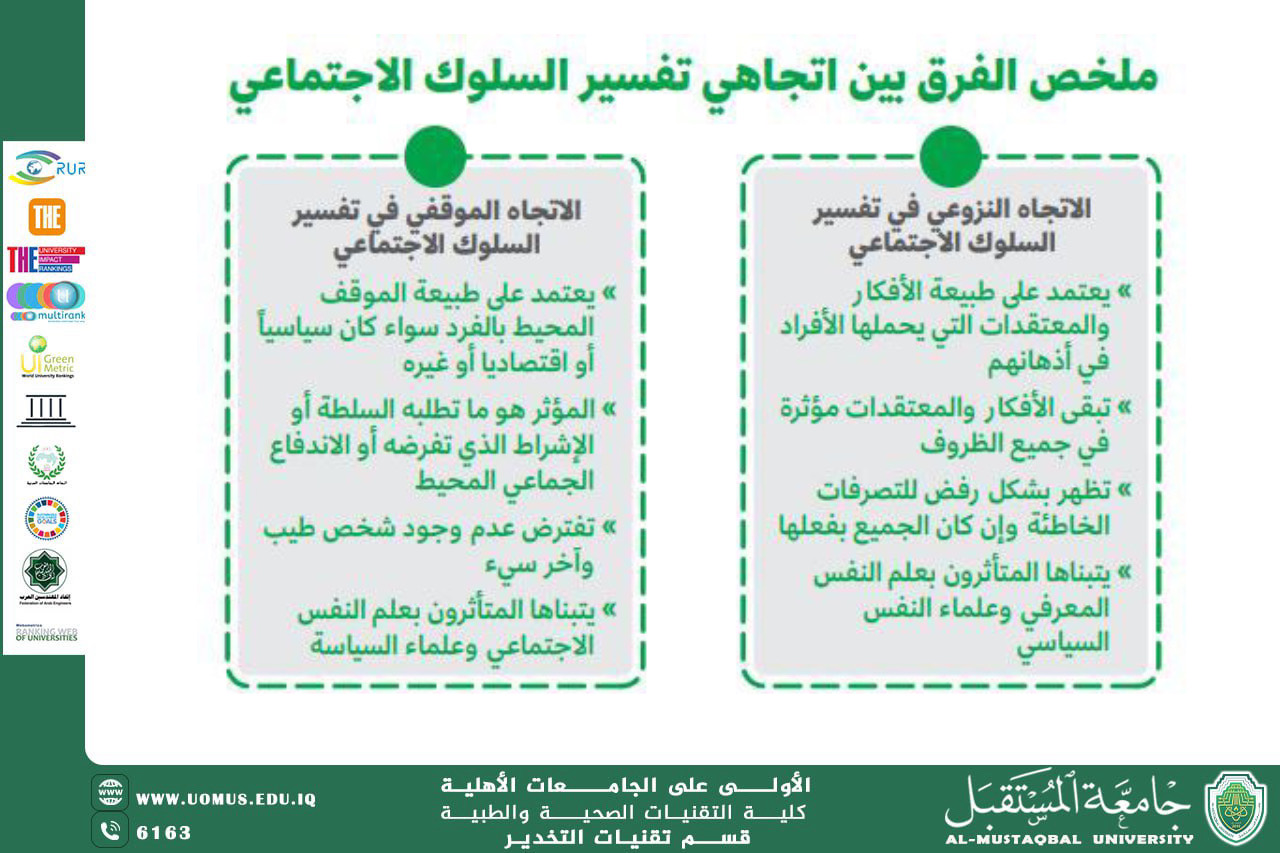
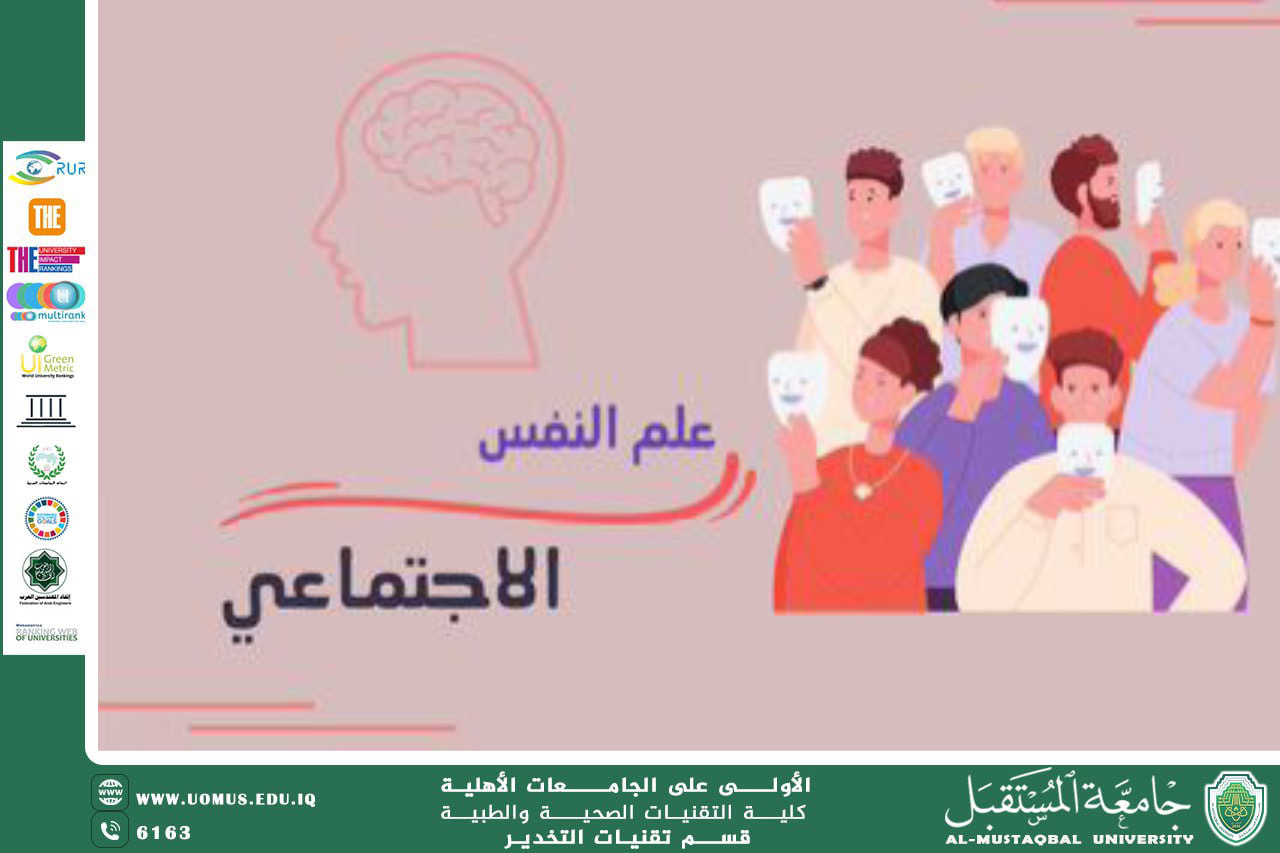
5. Social Psychology
Social psychology investigates how individuals interact with and are influenced by others, addressing topics such as conformity, prejudice, and group dynamics.
Recent Developments
• Integration of Neuroscience: Techniques such as functional magnetic resonance imaging (fMRI) and electroencephalography (EEG) allow researchers to link brain activity with cognitive and emotional processes.
• Behavioral Economics: This field examines decision-making and explains why people sometimes behave irrationally in financial and social contexts.
• Artificial Intelligence in Psychology: Machine learning algorithms assist in predicting behavioral patterns and supporting psychological interventions.
• Positive Psychology: Focuses on enhancing psychological strengths, well-being, and resilience rather than solely treating disorders.
Practical Applications
1. Mental Health
Early diagnosis and personalized treatments improve outcomes for anxiety, depression, and attention-deficit/hyperactivity disorder (ADHD).
2. Education
Understanding learning styles and motivation contributes to more effective teaching strategies.
3. Workplace Psychology
Behavioral insights help improve productivity, teamwork, and leadership skills.
4. Public Policy
Behavioral sciences support the design of effective health, safety, and social campaigns.
Challenges and Future Directions
• Ethical issues in behavioral research and artificial intelligence applications.
• The impact of cultural and social diversity on interpreting human behavior.
• Integrating data from multiple disciplines to develop comprehensive models of human behavior.
Conclusion
Psychology and behavioral sciences provide essential tools for understanding human behavior across health, education, and society. With ongoing technological advancements and interdisciplinary research, these fields continue to evolve, offering deeper insights and practical solutions to complex human challenges.
Zahraa Jawad
Al-Mustaqbal University
The First University in Iraq