Essential Lipids Synthesized by the Body and Their Biological Importance Prepared by: Lect. Abbas Hamza Khudhair Department of Biochemistry – College of Science – Al-Mustaqbal University
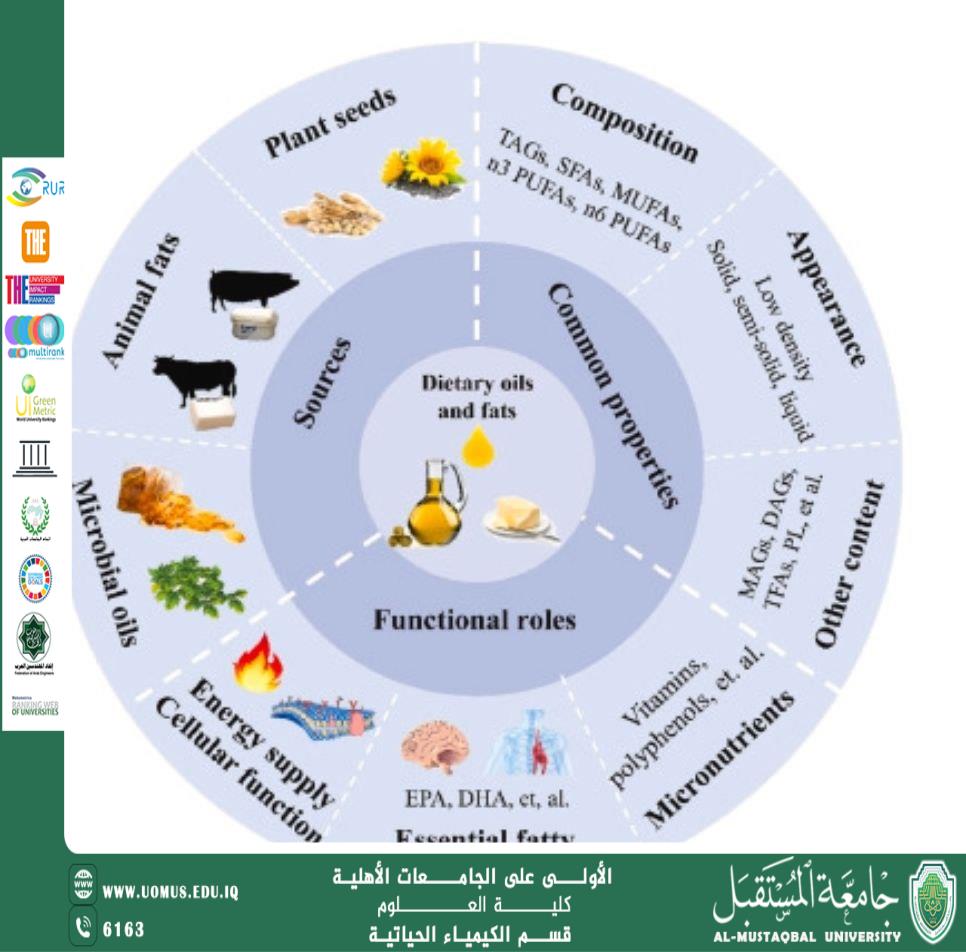
Lipids play a fundamental role in maintaining human health, as they are key components of cellular structure and an important source of energy. The human body is capable of synthesizing certain types of lipids internally, known as endogenous lipids, which are as essential as dietary fats.
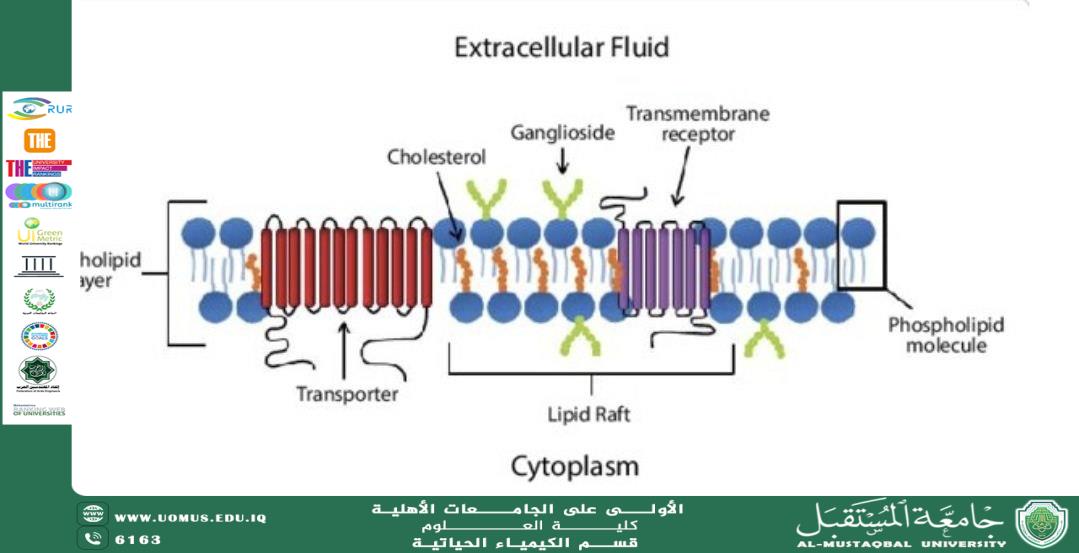
Among the most important lipids synthesized by the body is cholesterol, a vital component of cell membranes that also serves as a precursor for steroid hormones, vitamin D, and bile acids required for fat digestion. In addition, the body synthesizes certain unsaturated fatty acids through metabolic modification, which are incorporated into phospholipids forming cellular membranes.
These lipids contribute to regulating membrane fluidity, cellular signaling, energy storage, and protection of internal organs. Disruption in lipid synthesis or regulation can lead to metabolic disorders such as obesity, cardiovascular diseases, and diabetes.
Conclusion:
Endogenously synthesized lipids are not merely energy reserves; they are essential molecules involved in cell structure and regulation of vital biological functions. Maintaining lipid balance is critical for overall human health.