Spectroscopic Analysis in Analytical Chemistry
التحليل الطيفي في الكيمياء التحليلية
المقدمة
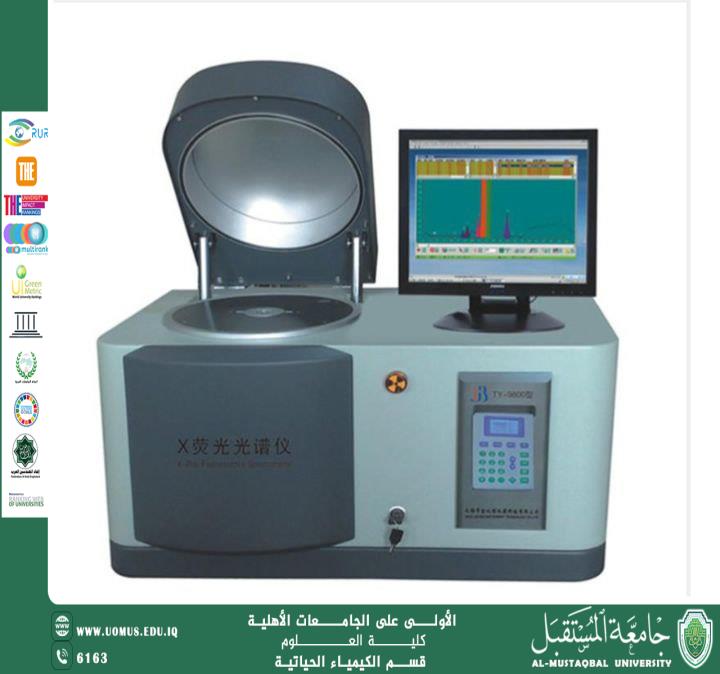
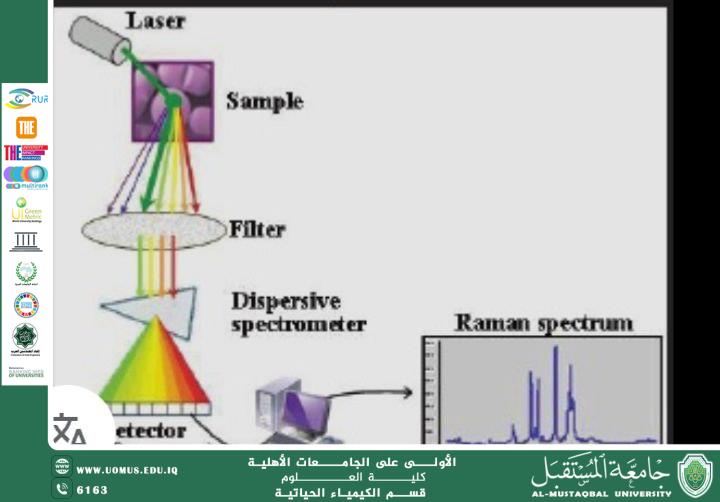
التحليل الطيفي هو أحد أهم الأساليب في الكيمياء التحليلية الحديثة، ويعتمد على دراسة تفاعل المادة مع الإشعاع الكهرومغناطيسي. يتيح هذا التحليل قياس التركيز، تحديد التركيب الكيميائي، ومعرفة الخصائص الفيزيائية للمواد بدقة عالية. تُستخدم هذه التقنية على نطاق واسع في المختبرات التعليمية، البحثية، والصناعية بسبب دقتها وسرعتها.
مبدأ التحليل الطيفي
يعتمد التحليل الطيفي على تفاعل الجزيئات أو الذرات مع الضوء أو الإشعاع الكهرومغناطيسي عند أطوال موجية محددة. يتم قياس الامتصاص أو الانبعاث أو الانعكاس لتحديد خصائص المادة. أحد القوانين الأساسية المستخدمة هو قانون بير–لامبرت، الذي يربط الامتصاصية A بتركيز المادة C وطول الطريق L ومعامل الامتصاص المولاري ε:
A = ε × L × C
كلما زاد تركيز المادة، زادت الامتصاصية، ما يُتيح تقدير التركيز بدقة.
أنواع التحليل الطيفي
1️⃣ التحليل الطيفي للأشعة فوق البنفسجية والمرئية (UV–Vis)
يُستخدم لتحديد تركيز المواد الكيميائية اعتمادًا على كمية الضوء الممتص عند طول موجي محدد.
تطبيقاته: قياس البروتينات، الأحماض النووية، والأصباغ.
2️⃣ التحليل الطيفي بالأشعة تحت الحمراء (IR)
يُستخدم لدراسة الروابط الكيميائية وتحديد المجموعات الوظيفية في المركبات.
تطبيقاته: تحديد التركيب الجزيئي للمواد العضوية والبوليمرات.
3️⃣ التحليل الطيفي الذري (Atomic Spectroscopy)
يُستخدم لتحليل العناصر المعدنية مثل الحديد، الزنك، والمغنيسيوم في العينات.
من أبرز الطرق: الامتصاص الذري (AAS) والانبعاث الذري (AES).
4️⃣ التحليل الطيفي بالفلوريسنس
يعتمد على قدرة بعض المركبات على إصدار ضوء عند إثارتها.
تطبيقاته: الكشف عن البروتينات، الأحماض النووية، والصبغات الحيوية.
تطبيقات التحليل الطيفي
تحليل المياه لتحديد تركيز المعادن والأيونات.
مراقبة جودة المواد الكيميائية والأدوية.
دراسة التركيب الجزيئي للمركبات العضوية وغير العضوية.
التطبيقات البيئية للكشف عن الملوثات.
المزايا
دقة وسرعة عالية في التحليل.
كمية صغيرة من العينة تكفي.
إمكانية استخدام التحليل كمي ونوعي في نفس الوقت.
العيوب
الأجهزة مكلفة ومعقدة بعض الشيء.
تحتاج إلى معايرة دقيقة وصيانة مستمرة.
بعض المركبات تتداخل أطيافها، ما يتطلب معالجة إضافية.
الخاتمة
التحليل الطيفي أداة أساسية في الكيمياء التحليلية الحديثة، لما يوفره من دقة وموثوقية في قياس التركيز ودراسة التركيب الكيميائي. يتيح هذا التحليل تطبيقات واسعة في المختبرات التعليمية، البحثية، والصناعية، ويعد من أهم التقنيات التحليلية المستخدمة اليوم.
Spectroscopic Analysis in Analytical Chemistry
Introduction
Spectroscopic analysis is one of the most important techniques in modern analytical chemistry. It relies on studying the interaction of matter with electromagnetic radiation. This analysis allows for measuring concentrations, identifying chemical composition, and determining the physical properties of substances with high accuracy. It is widely used in educational, research, and industrial laboratories due to its precision and speed.
Principle of Spectroscopic Analysis
Spectroscopic analysis is based on the interaction of molecules or atoms with light or electromagnetic radiation at specific wavelengths. Absorption, emission, or reflection is measured to determine the properties of a substance. One of the fundamental laws is the Beer–Lambert Law, which relates absorbance A to concentration C, path length L, and molar absorptivity ε:
A = ε × L × C
Higher concentration leads to higher absorbance, enabling precise determination of substance concentration.
Types of Spectroscopic Analysis
1️⃣ UV–Vis Spectroscopy
Used to determine the concentration of chemicals based on the light absorbed at a specific wavelength.
Applications: measuring proteins, nucleic acids, and dyes.
2️⃣ Infrared (IR) Spectroscopy
Used to study chemical bonds and identify functional groups in compounds.
Applications: determining molecular structure of organic compounds and polymers.
3️⃣ Atomic Spectroscopy
Used to analyze metallic elements such as iron, zinc, and magnesium in samples.
Common methods: Atomic Absorption Spectroscopy (AAS) and Atomic Emission Spectroscopy (AES).
4️⃣ Fluorescence Spectroscopy
Based on certain compounds’ ability to emit light when excited.
Applications: detection of proteins, nucleic acids, and bio-dyes.
Applications of Spectroscopic Analysis
Water analysis to determine metal and ion concentrations.
Quality control of chemicals and pharmaceuticals.
Studying the molecular structure of organic and inorganic compounds.
Environmental applications to detect pollutants.
Advantages
High accuracy and fast analysis.
Requires very small sample amounts.
Can be used for both qualitative and quantitative analysis simultaneously.
Disadvantages
Instruments are expensive and somewhat complex.
Requires precise calibration and regular maintenance.
Spectral overlaps may occur, requiring additional processing.
Conclusion
Spectroscopic analysis is an essential tool in modern analytical chemistry, providing accurate and reliable measurements of concentration and chemical composition. It has wide applications in educational, research, and industrial laboratories, making it one of the most important analytical techniques used today.