Quantum Machine Learning for Medical Imaging: Promising Capabilities and Future Challenges(Prof. Dr. Mehdi Ebady Manaa)
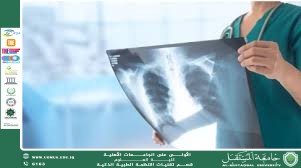
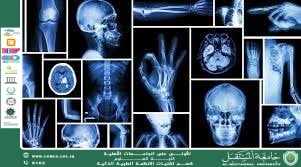
Medical imaging is regarded as one of the fundamental pillars in disease diagnosis and monitoring; however, its accuracy still faces limitations in certain complex cases, such as the early detection of small tumors or the identification of subtle tissue changes. In this context, Quantum Machine Learning (QML) emerges as an advanced scientific approach that integrates the power of quantum computing with artificial intelligence algorithms, representing a potential paradigm shift in diagnostic medicine, particularly in the analysis of highly complex medical images.
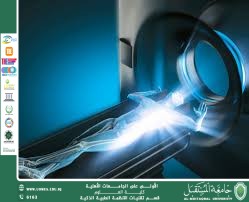
The significance of quantum machine learning lies in its exceptional ability to process massive volumes of data with unprecedented speed and accuracy, surpassing traditional computational models. This capability enables deeper and more precise analysis of computed tomography (CT) and magnetic resonance imaging (MRI) scans. Experimental studies have demonstrated that integrating quantum algorithms with deep learning systems can significantly increase early tumor detection rates, thereby enhancing opportunities for early intervention and improving treatment outcomes. Furthermore, these techniques allow for the identification of hidden patterns within medical images that are difficult for the human eye or conventional algorithms to detect, reducing diagnostic errors and improving clinical decision-making, particularly in complex conditions such as lung cancer and neurodegenerative diseases.
Despite these promising capabilities, quantum machine learning remains in its early developmental stages and faces several challenges that limit its widespread application at present. Among the most notable challenges are the high cost of quantum hardware, the complexity of its operation and maintenance, and the urgent need for specialized training to equip medical and research professionals with the skills required to effectively utilize these advanced technologies. Data security also represents a critical concern, as the advancement of quantum computing may necessitate a reassessment of traditional encryption systems to ensure the protection of patient privacy and sensitive health information.
Accordingly, quantum machine learning should not be viewed as an immediate replacement for existing medical imaging technologies, but rather as an advanced extension that is expected to gradually transform diagnostic practices in the coming years. Developing countries, including Iraq, can benefit from this technological evolution by closely following global research trends and actively participating in international collaborations and experimental initiatives, thereby narrowing the technological gap and strengthening local capabilities in this vital field.
When aligned with the 2030 Sustainable Development Goals (SDGs), quantum machine learning in medical imaging demonstrates its potential to support several key objectives. It contributes to good health and well-being by improving diagnostic accuracy and enabling early disease detection, and it supports quality education through the development of highly qualified medical and research professionals trained in advanced scientific disciplines. Moreover, it fosters innovation and infrastructure development through investment in cutting-edge technologies and specialized research centers. Expanding access to these technologies in developing countries also helps reduce global health inequalities, while international cooperation in this domain exemplifies the importance of partnerships for achieving the goals through knowledge exchange, technology transfer, and joint research initiatives.
In this sense, quantum machine learning for medical imaging is not merely a technological advancement, but a strategic step toward building a more accurate, equitable, and sustainable healthcare system. By adopting this forward-looking scientific approach, the University of Al-Mustaqbal, the leading university in Iraq, continues to play a pioneering role in supporting innovation and scientific research, while linking academic progress to sustainable development objectives and contributing to a more advanced scientific and healthcare future for Iraq and the region.
Al-Mustaqbal University is the first one university in Iraq.