Cancerous Moles (Malignant Nevi): Characteristics, Diagnosis, and Prevention
Introduction
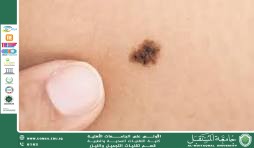
Moles (nevi) are common skin lesions that appear as pigmented spots or small growths on the skin surface, resulting from clusters of melanocytes, the pigment-producing cells. Most moles are benign and harmless; however, some may undergo malignant transformation into cancerous moles, medically known as melanoma. Melanoma is considered one of the most dangerous types of skin cancer due to its high potential to spread to other organs if not detected early.
What Are Cancerous Moles?
Cancerous moles are abnormal growths of melanocytes characterized by uncontrolled cell division and genetic mutations. These malignant changes can lead to the formation of aggressive tumors that invade surrounding tissues and metastasize to distant organs. Cancerous moles often develop from pre-existing benign moles, although they can also arise on previously normal skin.
Clinical Characteristics of Cancerous Moles
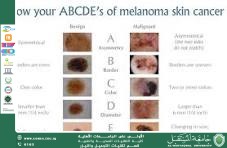
The ABCDE rule is widely used to distinguish cancerous moles from benign ones:
A – Asymmetry: One half of the mole does not match the other.
B – Border: Irregular, uneven, or notched borders.
C – Color: Presence of multiple colors such as black, brown, red, blue, or white.
D – Diameter: Diameter greater than 6 mm.
E – Evolution: Noticeable changes in size, shape, color, or symptoms over time.
Risk Factors
Several factors increase the risk of developing cancerous moles, including:
Excessive exposure to ultraviolet (UV) radiation from sunlight or tanning devices.
Fair skin and light hair or eye color.
A family or personal history of melanoma.
A large number of moles or atypical (dysplastic) nevi.
Weakened immune system.
Diagnosis
Diagnosis of cancerous moles involves:
Visual and clinical examination by a dermatologist.
Dermoscopic evaluation using a dermatoscope.
Skin biopsy followed by histopathological examination to confirm malignancy.
Treatment
Treatment depends on the stage of melanoma and may include:
Surgical excision of the mole with adequate margins.
Immunotherapy to enhance the body’s immune response.
Chemotherapy or radiotherapy in advanced cases.
Early detection significantly improves treatment outcomes and survival rates.
Prevention
Preventive measures include:
Limiting sun exposure, especially during peak hours.
Regular use of broad-spectrum sunscreen.
Wearing protective clothing and sunglasses.
Performing regular skin self-examinations.
Seeking medical advice when any suspicious skin changes are observed.
Conclusion
Cancerous moles represent a serious health concern; however, early recognition, accurate diagnosis, and preventive strategies play a crucial role in reducing morbidity and mortality associated with melanoma. Public awareness and routine skin monitoring are essential for maintaining skin
health and preventing advanced disease
.AL_mustaqbal University is the first university in Iraq