Modern Technologies in Health Sciences and Their Role in Advancing Education
Introduction
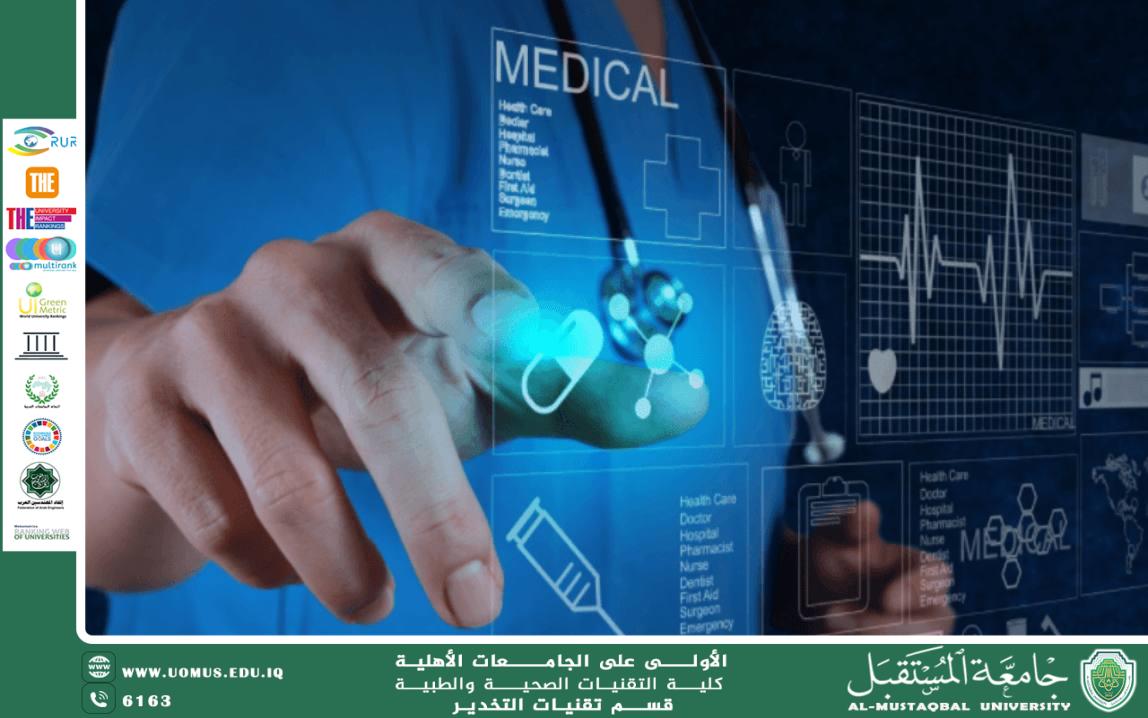
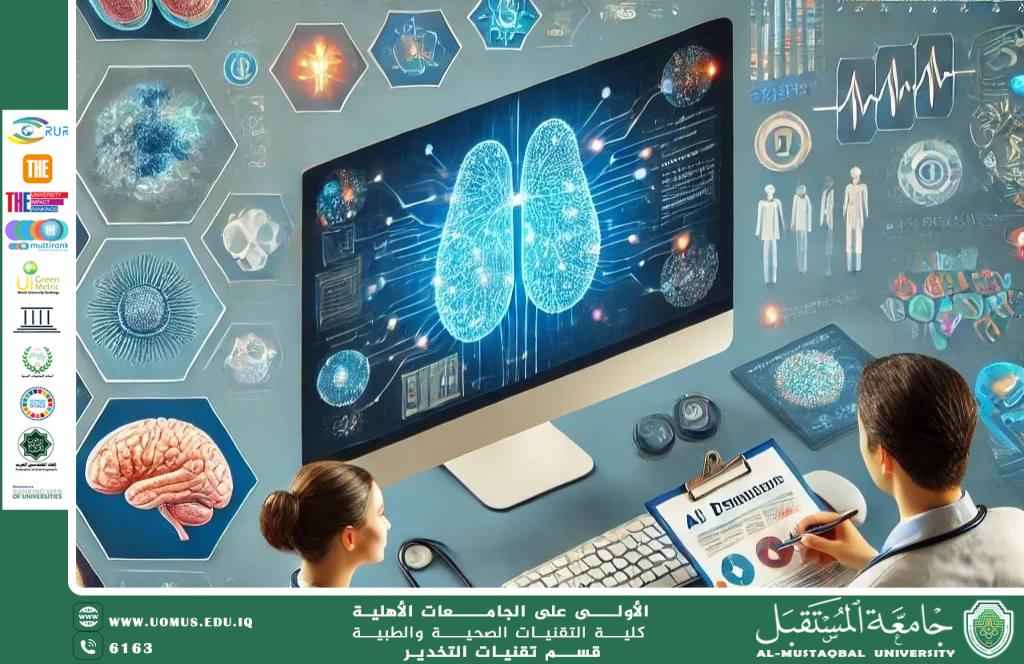
In recent decades, health sciences have witnessed significant advancements due to technological innovation and the adoption of modern technologies across all healthcare and medical education domains. These technologies contribute to improving the quality of education, increasing practical training efficiency, and enhancing scientific research in line with global developments. At the same time, they enable students and healthcare practitioners to gain experiential learning in a safe environment with realistic simulations of clinical scenarios, reducing medical errors and enhancing the quality of patient care.
The Role of Modern Technologies in Advancing Health Education
1. Medical Simulation
Medical simulation is one of the most prominent modern educational tools, providing a realistic environment for students to practice various clinical procedures without risking patient safety. These simulations include:
• Hands-on training with high-fidelity simulators
• Virtual reality (VR) and augmented reality (AR) training modules
• Team-based exercises in emergency and surgical scenarios
2. E-Learning and Digital Platforms
The adoption of e-learning and digital educational platforms has led to:
• Access to up-to-date scientific content anytime and anywhere
• Interactive resources, such as videos, recorded lectures, and quizzes
• Enhanced communication between students, instructors, and research teams
3. Smart Devices and Wearable Technologies
Smart devices and wearable technologies have become integral to practical medical training by:
• Tracking physical performance during hands-on practice
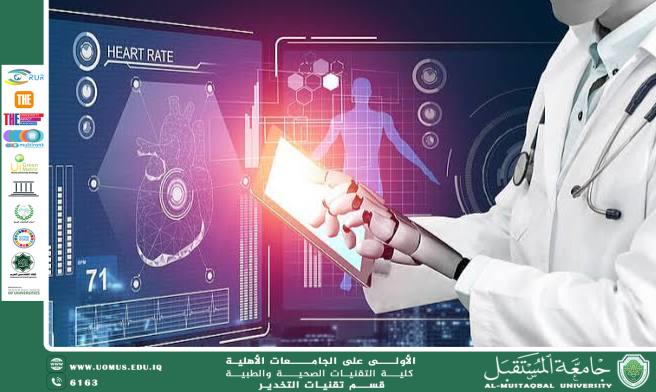
• Providing real-time physiological data during clinical training
• Enabling self-directed learning and performance analysis
Impact on Education Quality and Healthcare
• Improved practical skills: Simulation allows repeated practice until mastery.
• Increased safety: Virtual learning reduces potential medical errors on real patients.
• Enhanced research and innovation: Digital technologies enable accurate data collection for studies and new research.
• Support for sustainable development goals: Contributing to Goal 3 (Good Health and Well-Being) and Goal 4 (Quality Education).
Challenges and Opportunities
Despite their benefits, these technologies face challenges such as:
• High costs: Modern equipment and simulation programs are expensive.
• Need for faculty training: Educators must be trained to use these technologies effectively.
• Digital gap between institutions: Universities and hospitals differ in their capacity to provide such tools.
However, the opportunities outweigh the challenges, as integrating these technologies into curricula and training programs can sustainably improve the quality of health education and research.
Conclusion
Modern technologies in health sciences are essential tools for advancing medical and health education, as they enhance practical learning, strengthen clinical skills, and support scientific research. With appropriate investment in training and technology, universities and educational institutions can graduate highly qualified healthcare professionals capable of meeting future challenges in the health sector.
Ameer Bahaa Fahim
Al-Mustaqbal University
The First University in Iraq