
Helicobacter pylori: The Spiral Bacterium and Its Impact on Gastrointestinal Health
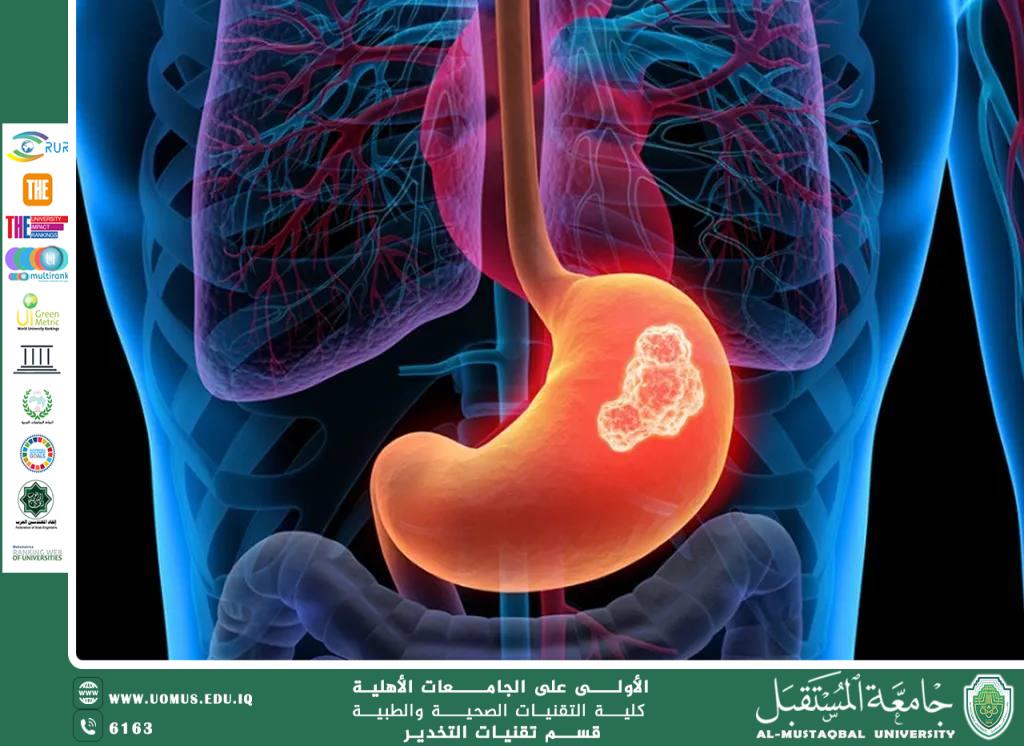
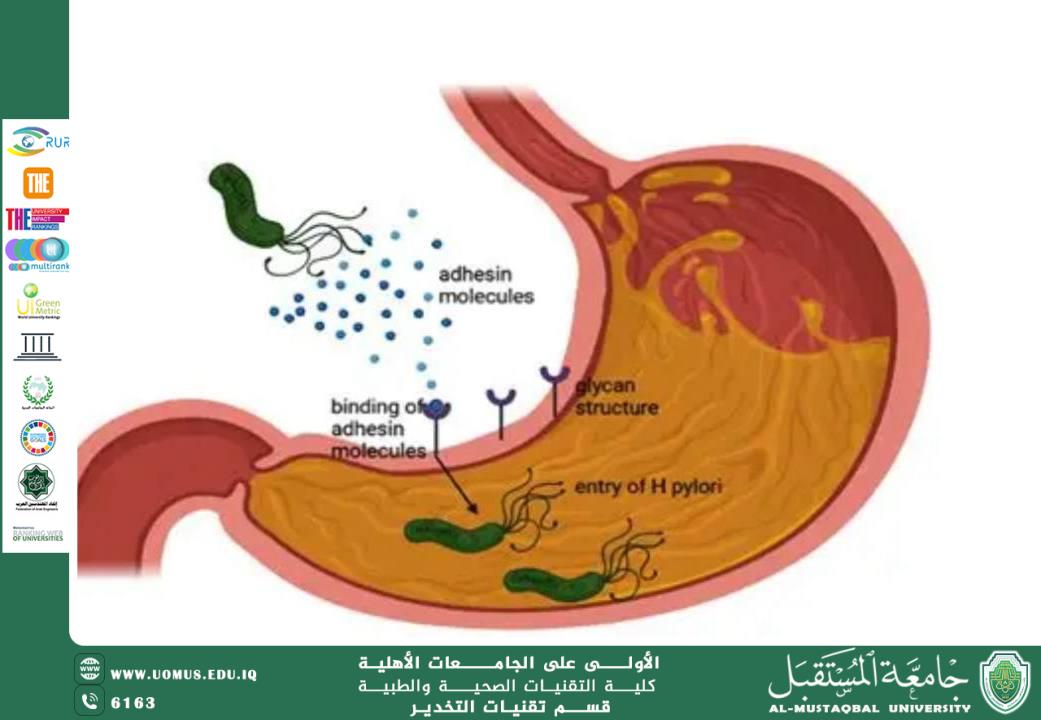
Helicobacter pylori (H. pylori) is one of the most common bacterial infections worldwide, residing in the mucous layer of the stomach. The discovery of this bacterium revolutionized the understanding of gastrointestinal diseases, particularly chronic gastritis and gastric and duodenal ulcers, as well as its association with iron-deficiency anemia and an increased risk of gastric cancer.
Transmission usually occurs through contaminated food and water or direct contact with personal utensils, making preventive measures and public health education crucial in controlling its spread.
Diseases Associated with H. pylori
Health complications linked to H. pylori infection include:
1. Chronic Gastritis: Persistent inflammation of the gastric mucosa leading to cellular damage.
2. Gastric and Duodenal Ulcers: Resulting from the bacterium’s disruption of the balance between stomach acid and mucosal protection.
3. Iron-Deficiency Anemia: Chronic infection may impair iron absorption.
4. Increased Risk of Gastric Cancer: Long-term chronic infection is a significant risk factor for gastric malignancies.
Clinical Symptoms
Symptoms vary according to infection severity and may include:
• Stomach pain or heartburn (sometimes severe)
• Nausea and bloating
• Loss of appetite
• In some cases, the infection may be asymptomatic, leading to delayed diagnosis
Diagnosis
Several diagnostic methods are used to detect H. pylori:
1. Urea Breath Test: Detects the bacterium’s urease activity by measuring the production of labeled carbon dioxide.
2. Stool Analysis: Identifies bacterial antigens or DNA.
3. Endoscopy with Biopsy: Allows direct evaluation of the gastric mucosa and confirmation of infection.
Treatment
Treatment typically involves a triple or quadruple therapy, including:
• Two antibiotics to eradicate the bacterium
• Proton pump inhibitor (PPI) to reduce stomach acid and promote mucosal healing
Treatment usually lasts 10–14 days, and strict adherence to the regimen is essential to prevent antibiotic resistance.
Prevention
Preventive measures to reduce the risk of H. pylori infection include:
• Regular handwashing, especially before meals
• Consuming clean and safe food and water
• Avoiding sharing eating utensils or cups
Conclusion
H. pylori is a highly prevalent bacterium with significant impacts on gastrointestinal health. Early recognition of associated diseases, accurate diagnosis, and effective treatment can reduce serious complications, including ulcers and gastric cancer. Moreover, adherence to personal hygiene and preventive practices plays a crucial role in limiting infection spread.
Dr Roaa Nashat
Al-Mustaqbal University
The First University in Iraq