The Role of Medical Simulation in Training Students in Anesthesia Techniques
Introduction
Medical simulation has become one of the most important modern educational tools in the field of medicine, particularly in anesthesia techniques, as it allows students and trainees to acquire practical skills without risking real patients. With the increasing complexity of anesthetic procedures and rising expectations for patient safety, simulation has become an essential component of curricula in medical and health technology schools.
The Importance of Simulation in Anesthesia Education
1. Safe Practical Training: Simulation enables students to practice various anesthesia procedures, including intravenous injections, ventilator management, and monitoring vital signs, without any risk to patients.
2. Continuous Performance Assessment: Simulation devices can record and correct errors in real time, enhancing students’ decision-making skills.
3. Enhancing Interactive Learning: Simulation relies on realistic scenarios, including emergencies and complications, motivating students toward critical thinking and teamwork.
4. Bridging Theory and Practice: Simulation helps bridge the gap between theoretical knowledge and practical skills, which is crucial in anesthesia education.
Applications of Simulation in Anesthesia Techniques
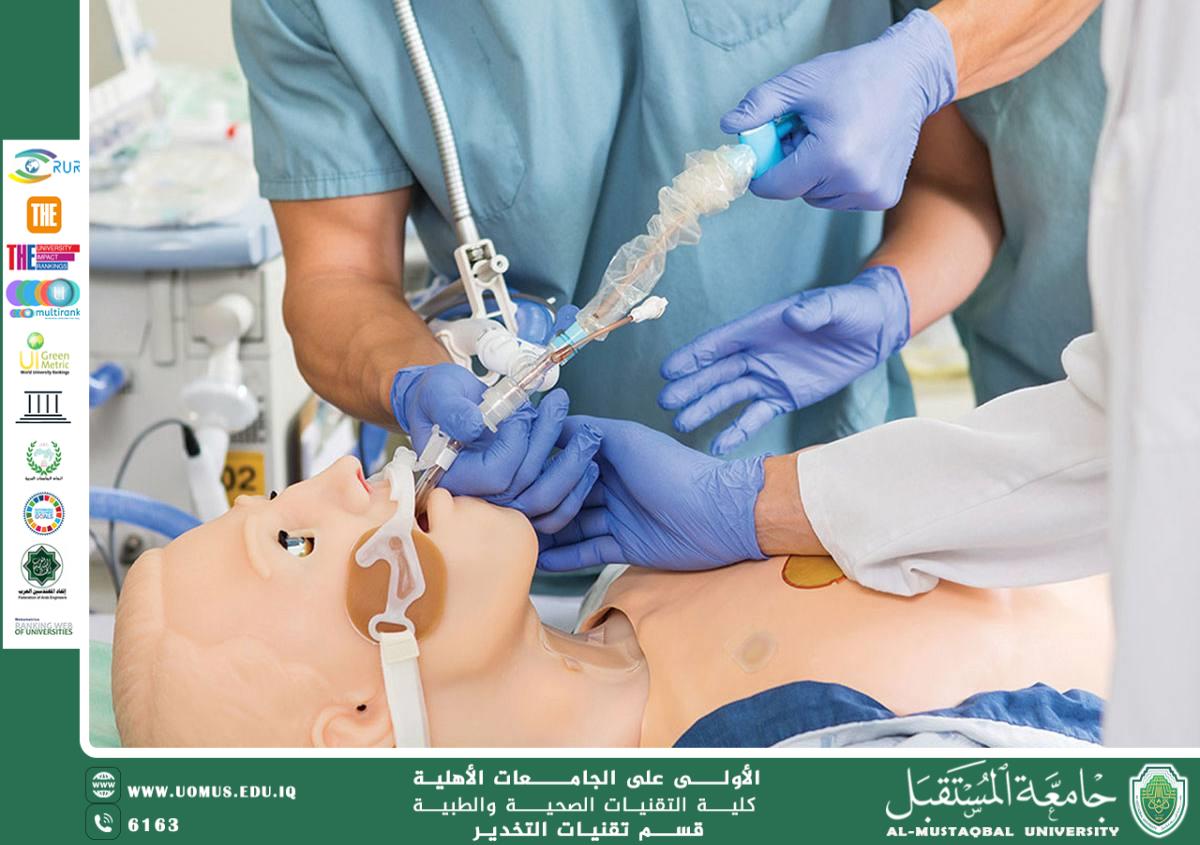
• High-fidelity simulators: Allow students to handle complex cases and operate anesthesia equipment.
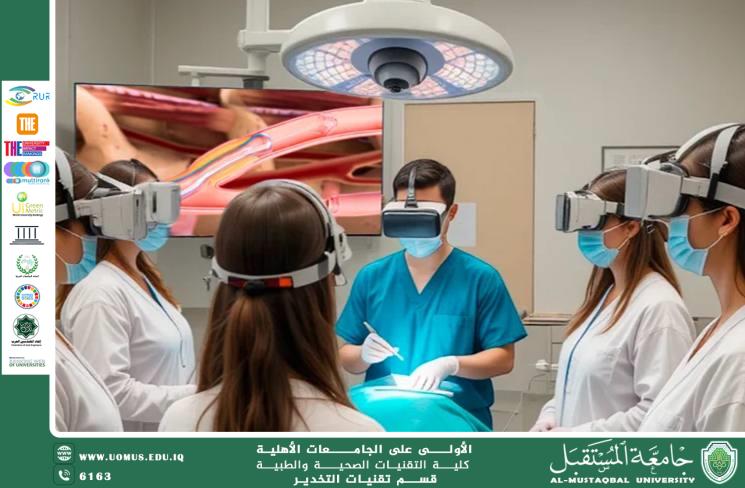
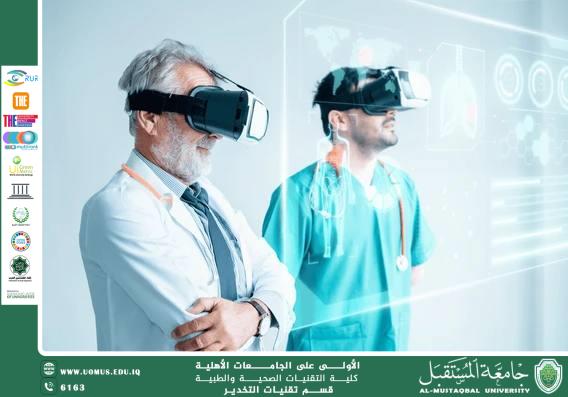
• Virtual Reality (VR) and Augmented Reality (AR): Provide interactive training environments simulating surgical and anesthetic procedures.
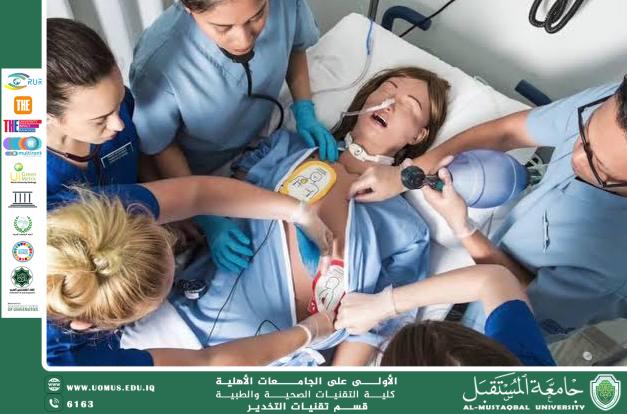
• Emergency Simulation: Trains medical teams to respond to critical situations, such as hypotensive shock or respiratory difficulty during anesthesia.
Benefits and Challenges
Benefits:
• Improves practical anesthesia skills and reduces clinical errors
• Builds confidence in students before working with real patients
• Supports research and development of innovative teaching methods
Challenges:
• High cost of simulation equipment and software
• Need for faculty training to use simulation effectively
• Requirement for continuous integration into curricula to maximize benefits
Conclusion
Medical simulation plays a vital role in anesthesia education, enhancing patient safety, educational quality, and the competence of future healthcare professionals. With appropriate investment in technology and faculty training, universities can graduate anesthesia specialists capable of handling practical challenges safely and effectively.
Lina Alaa Hussein
Al-Mustaqbal University
The First University in Iraq