A Scientific Article by Ms. Hajar Ali Anad entitled: Food Allergy in Children
Food Allergy in Children: Causes, Symptoms, Diagnosis, Prevention, and Treatment
Introduction
Food allergy is one of the increasingly common health problems among children worldwide and has become a major concern for both parents and physicians. Food allergy is defined as an abnormal immune response to a specific type of food, in which the body mistakenly identifies it as a harmful substance and triggers a series of defensive reactions. The severity of these reactions varies from mild symptoms such as skin rashes to serious, life-threatening conditions such as anaphylactic shock. This article aims to shed light on the concept of food allergy in children, its causes, symptoms, diagnostic methods, as well as strategies for prevention and treatment.
Concept of Food Allergy
Food allergy is an immune-mediated reaction that occurs when the immune system responds to proteins found in certain foods as if they were harmful foreign substances. This leads to the release of chemical mediators such as histamine, resulting in the appearance of allergic symptoms. Food allergy differs from food intolerance, which does not involve the immune system and is instead related to difficulty digesting certain substances, such as lactose.
Causes and Contributing Factors
Several factors contribute to the development of food allergies in children, including:
1. Genetic factors: The risk increases if one or both parents have allergic conditions such as asthma, eczema, or food allergies.
2. Immaturity of the immune system: In early childhood, the immune system is not fully developed, making allergic reactions more likely.
3. Environmental factors: Early or delayed exposure to certain foods, environmental pollution, and feeding patterns during infancy may influence the development of allergies.
4. Skin allergies and eczema: Children with eczema have a higher risk of developing food allergies.
Common Allergenic Foods
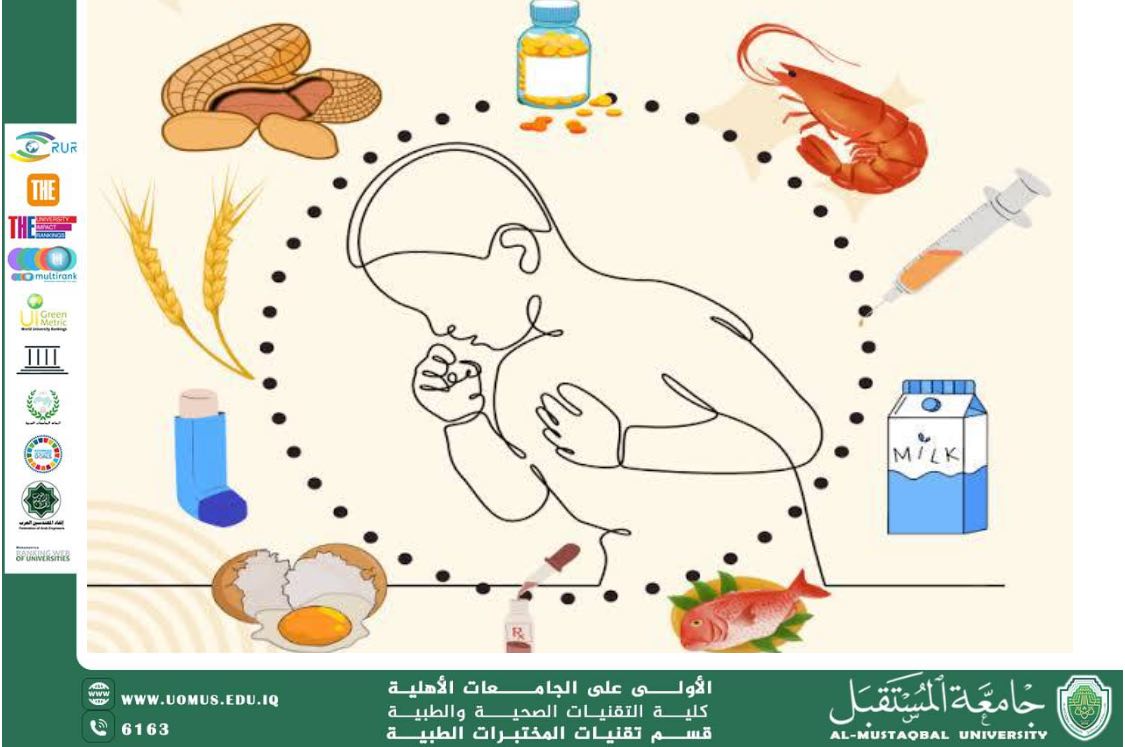
Studies indicate that most cases of food allergy in children are caused by a limited number of foods, including:
• Eggs
• Cow’s milk
• Peanuts
• Tree nuts (such as walnuts and almonds)
• Sesame
• Wheat
• Soybeans
• Fish and shellfish
The severity of allergic reactions varies from one child to another, ranging from mild sensitivity to severe reactions.
Clinical Symptoms
Symptoms of food allergy usually appear within minutes to a few hours after consuming the allergenic food and include:
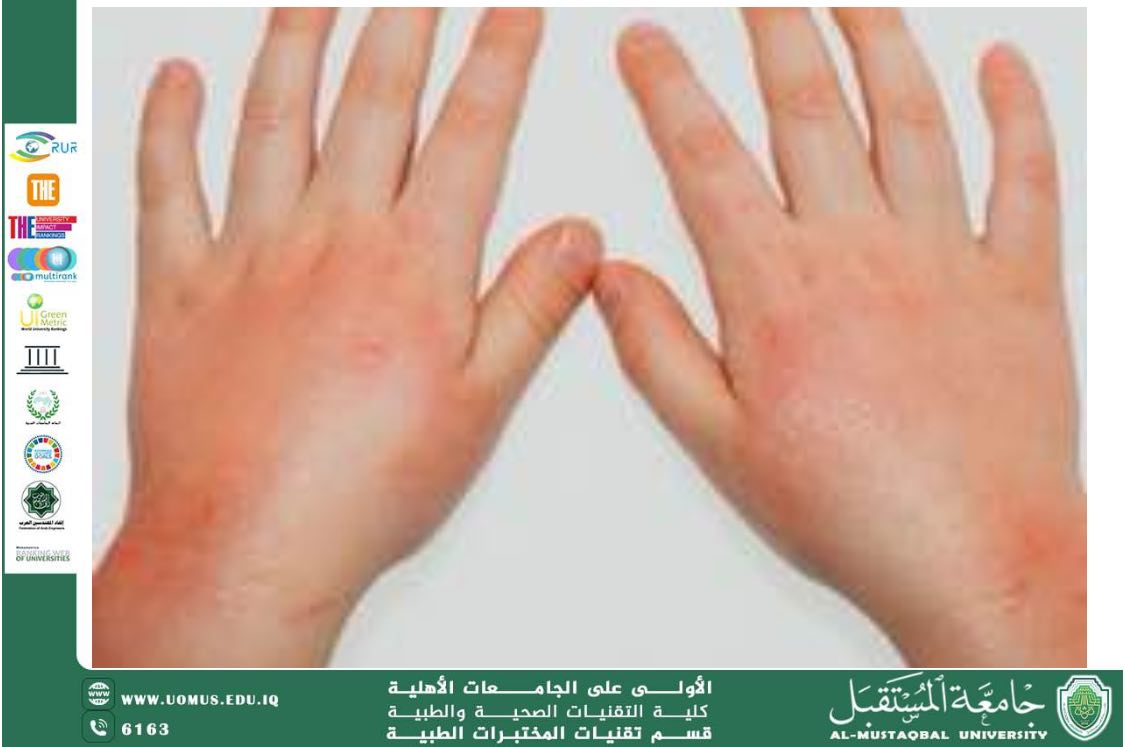
1. Skin symptoms
• Skin rash or urticaria (hives)
• Itching and redness
• Swelling of the lips, face, or eyelids
2. Gastrointestinal symptoms
• Nausea and vomiting
• Abdominal pain
• Diarrhea
3. Respiratory symptoms
• Coughing or wheezing
• Shortness of breath
• Nasal congestion
4. Anaphylaxis
A medical emergency characterized by low blood pressure, severe breathing difficulty, rapid heartbeat, and possible loss of consciousness if not treated immediately.
Diagnostic Methods
The diagnosis of food allergy in children relies on several medical approaches, including:
1. Medical history: Asking parents about the suspected food, timing of symptom onset, and severity.
2. Skin prick tests: Small amounts of suspected allergens are applied to the skin to observe any reaction.
3. Blood tests (IgE): Measuring levels of allergy-related immunoglobulin E antibodies.
4. Oral food challenge: Conducted under direct medical supervision by administering small amounts of the suspected food while monitoring for allergic reactions.
Treatment and Management
Currently, there is no definitive cure for food allergies, and management focuses on prevention and symptom control:
1. Avoidance of allergenic foods: The cornerstone of treatment.
2. Careful reading of food labels: To avoid hidden traces of allergenic substances.
3. Antihistamines: Used to relieve mild allergic symptoms.
4. Epinephrine injection: Used in emergency situations to treat anaphylaxis.
5. Education and awareness: Training parents and school staff on how to manage accidental exposure to allergenic foods.
Prevention and the Role of Early Nutrition
Recent research suggests that introducing certain allergenic foods at an appropriate age and in a controlled manner may reduce the risk of developing food allergies, particularly in genetically predisposed children. Breastfeeding also plays a protective role by supporting immune system development and reducing the likelihood of allergies.
Conclusion
Food allergy in children is an important health condition that requires awareness and cooperation among parents, healthcare providers, and educational institutions. Although no definitive cure is currently available, early diagnosis, strict avoidance of allergenic foods, and adherence to medical guidelines can significantly reduce complications and improve the child’s quality of life.
Al-Mustaqbal University is the first university in Iraq
Department of Medical Laboratory Techniques – First in the Iraqi National Ranking.