Art in Prehistoric Times
Art in prehistoric times represents one of the earliest forms of human expression, serving as a primitive yet profound means of communication before the emergence of written language. Through art, early humans expressed their ideas, beliefs, and emotions, reflecting their awareness of nature and their attempt to understand and interpret the world around them.
The Beginnings of Artistic Expression
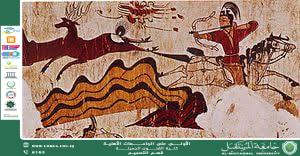
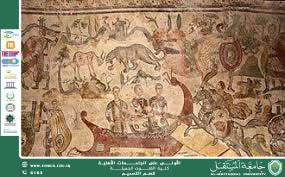
Prehistoric art appeared mainly in the form of cave paintings and stone sculptures, created using simple tools and natural materials such as charcoal, earth pigments, stone, and bones. Cave paintings spread across various regions of the world, including the caves of Lascaux in France and Altamira in Spain, depicting animals, hunting scenes, and abstract symbols that reflected the surrounding environment and daily activities of early humans.
Symbolic and Religious Purposes of Prehistoric Art
Art in prehistoric times was not merely decorative but closely connected to spiritual and religious beliefs. Early humans believed that drawing or sculpting animals could symbolically grant them control over nature, particularly over the animals they depended on for survival. Many artworks are thought to have been used in magical or ritual practices seeking protection, success in hunting, or safety from danger.
Stone Sculptures and Their Meanings
In addition to cave paintings, small stone sculptures emerged, often representing human figures or female forms associated with fertility. These figurines are believed to symbolize life, reproduction, and continuity, reflecting early human awareness of the importance of the body and existence, and their symbolic expression of concepts beyond verbal explanation.
The Role of Art in Documenting Primitive Life
Prehistoric art played a vital role in documenting aspects of early human life, portraying hunting practices, daily activities, and the relationship between humans and animals. As such, prehistoric art serves as a visual record of the earliest stages of human civilization and provides valuable insight into the development of human thought and social life.
Conclusion
Art in prehistoric times was not a simple artistic activity but a deep human expression of awareness, belief, fear, and hope. It laid the foundational principles of aesthetic and symbolic expression that evolved alongside human civilizations, remaining a lasting testament to the origins of creativity and humanity’s enduring desire to express itself and understand its world.
Almustaqbal University, The First University in Iraq.