"The Impact of Software on Engineering Thinking" By Programmer Sarah Faiq Ali
In recent decades, there has been a radical transformation in engineering and artistic design methods thanks to modern software. Creative ideas are no longer confined to paper and pencil or traditional drafting tables; digital software has become a powerful tool that enables designers, engineers, and artists to visualize their projects accurately and realistically before implementation. This development has contributed to improving productivity, enhancing innovation, and reducing costly errors across multiple fields such as architecture, industrial design, and applied arts.
The Impact of Software on Engineering Thinking
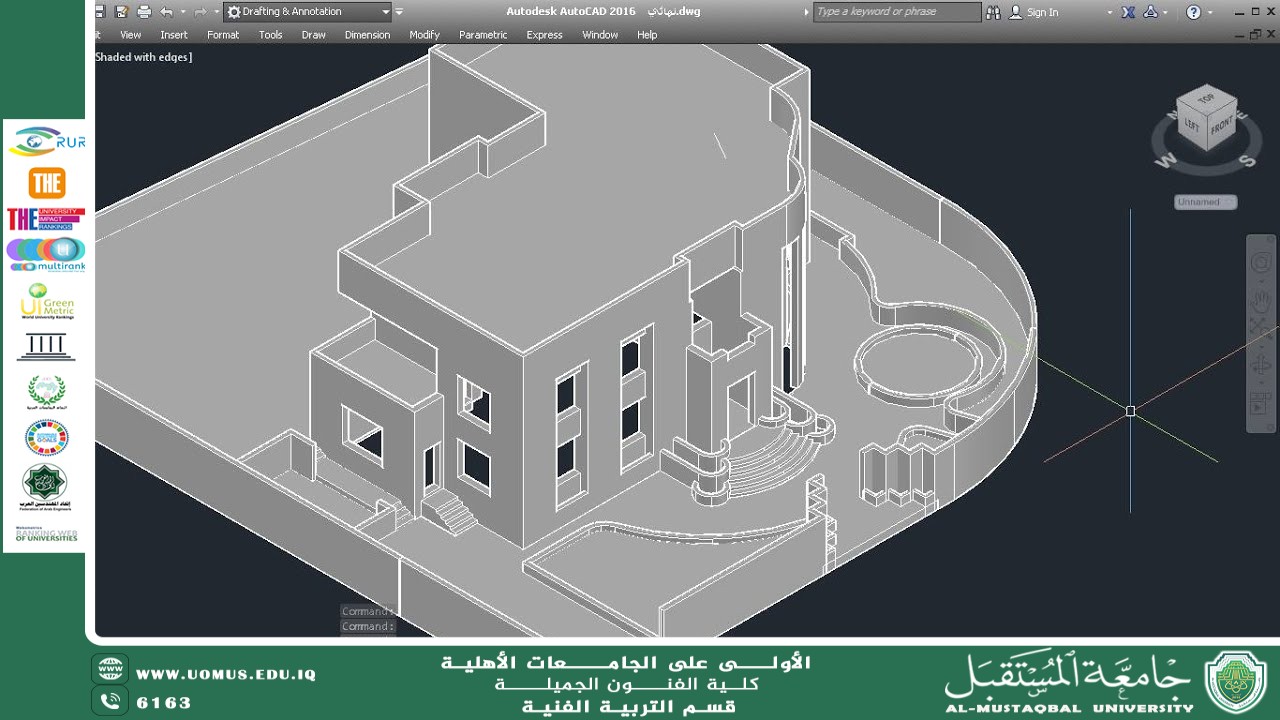
In the engineering field, software like AutoCAD, Revit, and SolidWorks provides advanced tools for drawing plans, creating 3D models, and analyzing complex structures. These tools encourage engineers to think systematically and analytically, with the ability to test and refine designs before actual implementation. They also facilitate collaboration among different teams through compatible digital files, increasing work efficiency and reducing resource waste.
The Impact of Software on Artistic Thinking
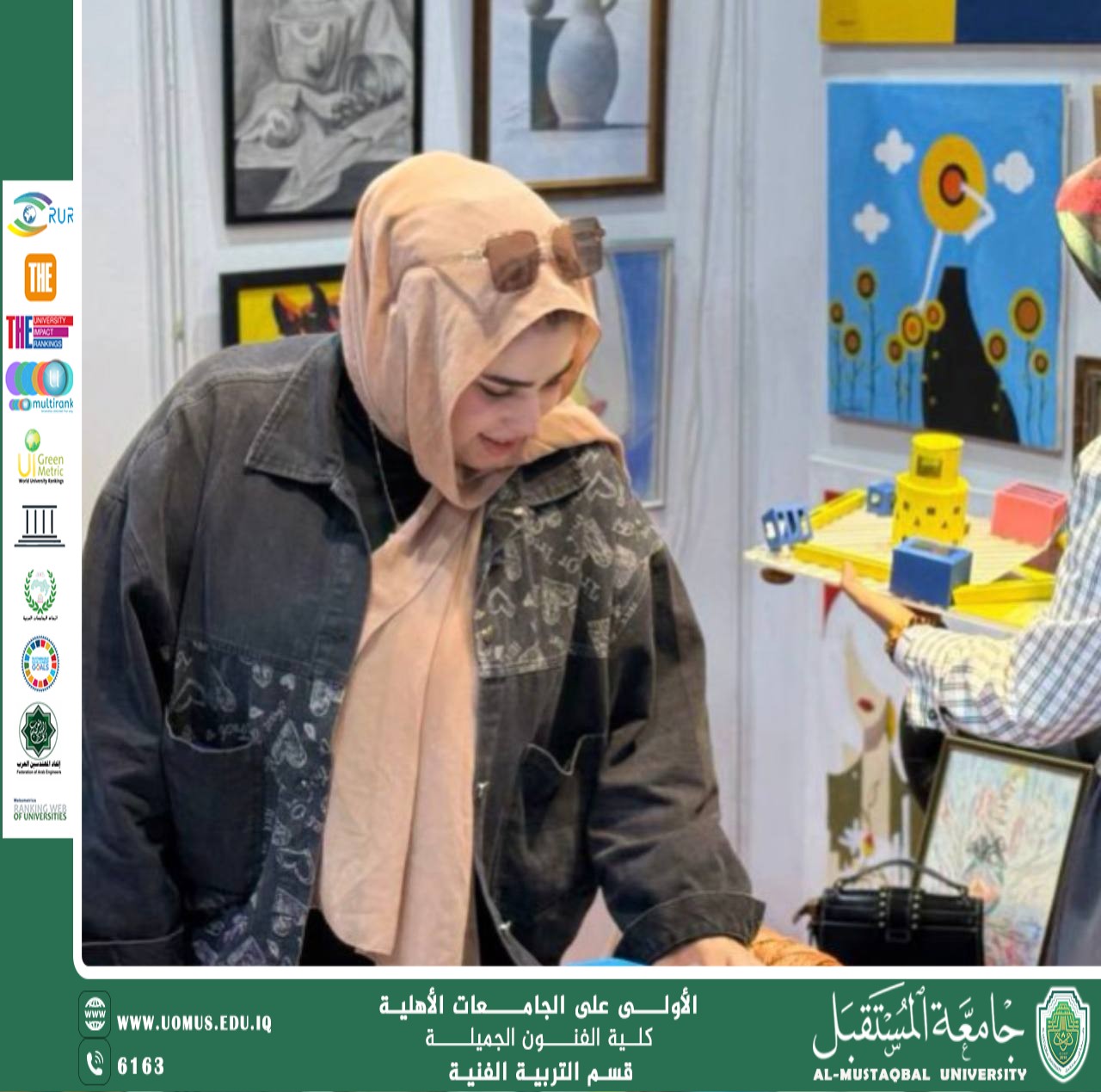
In the artistic domain, programs like Photoshop, Illustrator, and Blender allow artists and designers to experiment creatively without the limitations of traditional materials. They can explore colors, shapes, and motion dynamically, with the ability to make immediate adjustments and continuous experimentation. This type of tool enhances artistic innovation and creates new spaces for expressing complex ideas and abstract concepts.
Modern Software and Sustainable Development
Using modern software in design also contributes to achieving sustainable development goals, particularly Goal 9: Industry, Innovation, and Infrastructure. Digital technologies help develop innovative solutions, improve project infrastructure, and reduce waste of resources and raw materials through precise planning before production, reflecting the integration of technological innovation with environmental and economic sustainability.
Conclusion
There is no doubt that modern software has fundamentally changed the ways of engineering and artistic thinking by enhancing accuracy, innovation, and strategic planning. It not only allows projects to be visualized and analyzed before implementation but also supports sustainable development by improving resource utilization and encouraging technological innovation. Integrating these digital tools into education and practical application ensures the development of the next generation of engineers and artists, positioning them at the forefront of global advancements in design and creativity...Almustaqbal University, The First University in Iraq