Scientific Article by Dr. Hussein Safaa Abdul Amir: Patient Selection and Safety in Aesthetic Laser Treatments
Introduction
Aesthetic laser treatments have become an integral part of modern aesthetic and dermatologic practice. With the rapid advancement of laser technologies and their widespread availability, the number of laser-based cosmetic procedures has increased significantly. Despite their proven effectiveness, laser treatments are not universally safe for all patients. Inappropriate patient selection remains one of the leading causes of adverse outcomes in aesthetic laser practice. Therefore, patient selection and safety assessment are fundamental components of evidence-based laser medicine.
This article discusses the principles of patient selection, risk assessment, and safety measures in aesthetic laser treatments, emphasizing the importance of individualized clinical decision-making.
Overview of Laser–Tissue Interaction
Laser treatments are based on the principle of selective photothermolysis, in which specific wavelengths of light selectively target chromophores such as melanin, hemoglobin, or water. The absorbed energy is converted into heat, leading to controlled tissue damage while sparing surrounding structures.
However, this selectivity is highly dependent on patient-specific factors, including skin type, pigment distribution, vascularity, and healing capacity. Failure to consider these factors may result in unintended thermal injury, scarring, or pigmentary changes.
Importance of Proper Patient Selection
Patient selection is not limited to determining whether a patient desires laser treatment. It is a structured medical process aimed at identifying suitable candidates and excluding high-risk individuals. Proper selection significantly reduces complications and enhances treatment outcomes.
Key objectives of patient selection include:
• Minimizing adverse effects
• Identifying contraindications
• Setting realistic expectations
• Ensuring ethical and safe practice
Medical History and Risk Assessment
A comprehensive medical history is essential before performing any laser procedure. The clinician should evaluate:
• Previous dermatological conditions (e.g., eczema, psoriasis, vitiligo)
• History of hypertrophic or keloid scarring
• Photosensitivity disorders
• Autoimmune diseases
• Active skin infections or inflammatory conditions
• Recent sun exposure or tanning
• Use of photosensitizing medications (e.g., isotretinoin, doxycycline)
• Hormonal conditions affecting pigmentation
• Pregnancy or breastfeeding status
Patients with uncontrolled systemic diseases or poor wound-healing capacity may not be ideal candidates for elective laser procedures.
Skin Type Evaluation and Pigmentation Risk
Skin type is one of the most critical determinants of laser safety. Classification systems such as the Fitzpatrick skin type scale are commonly used to estimate melanin content and ultraviolet sensitivity.
Patients with higher melanin levels (darker skin types) have an increased risk of:
• Epidermal burns
• Post-inflammatory hyperpigmentation (PIH)
• Hypopigmentation
For these patients, conservative energy settings, longer wavelengths, and longer pulse durations are generally recommended. Ignoring skin type differences and applying uniform parameters can lead to serious complications.
Psychological and Expectation Assessment
Psychological assessment is often overlooked but plays a major role in treatment satisfaction. Some patients may have unrealistic expectations regarding laser outcomes, such as immediate results or permanent correction after a single session.
The physician must:
• Clearly explain treatment limitations
• Discuss the number of sessions required
• Clarify possible side effects and downtime
• Assess patient motivation and emotional stability
Informed consent is a legal and ethical requirement and should be documented after detailed explanation.
Safety Protocols During Laser Treatment
Safety in laser practice extends beyond patient selection and includes strict procedural protocols. These include:
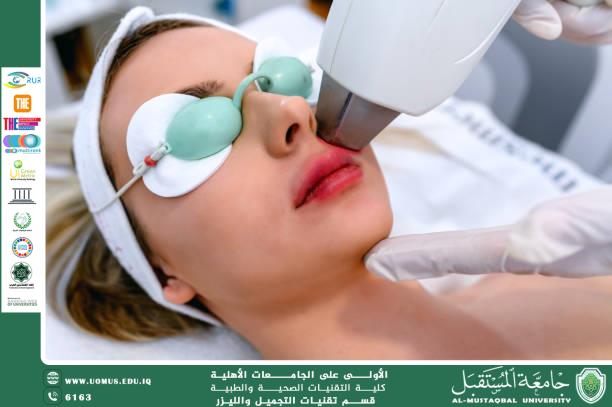
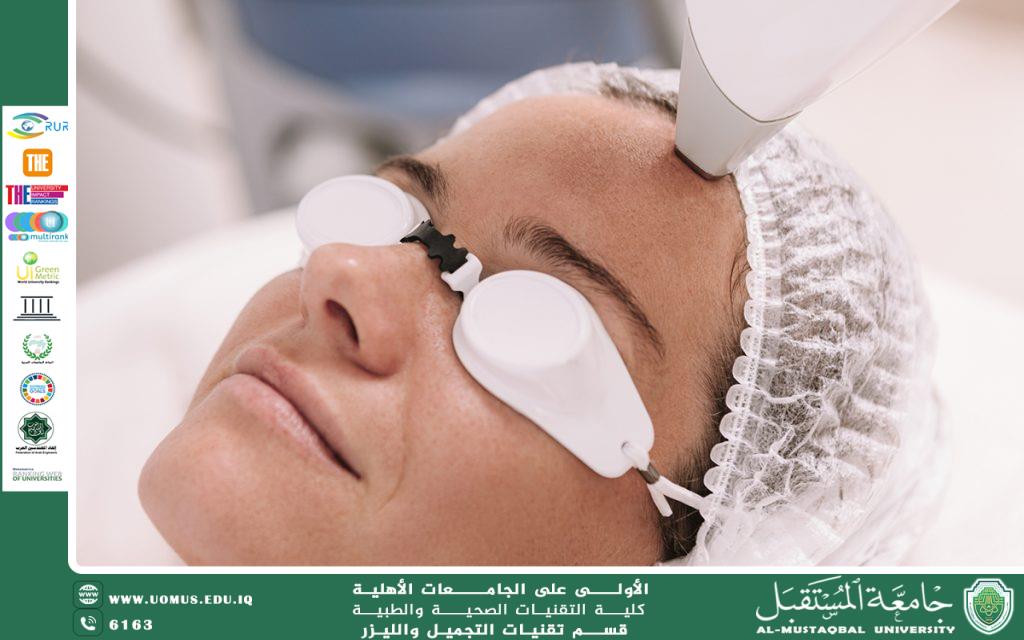
• Mandatory protective eyewear for patient and operator
• Proper device calibration and maintenance
• Use of test spots, especially in high-risk patients
• Adequate skin cooling methods
• Avoidance of overlapping laser pulses
• Proper room safety standards
Failure to follow these protocols increases the likelihood of adverse events.
Post-Treatment Monitoring and Follow-Up
Patient safety continues after the laser session. Immediate and delayed reactions must be anticipated and monitored. Patients should receive written post-treatment instructions covering:
• Sun avoidance and sunscreen use
• Skin care regimen
• Signs of complications
• When to seek medical advice
Follow-up visits allow early detection and management of adverse effects.
Ethical Considerations in Laser Practice
Ethical laser practice requires prioritizing patient safety over commercial or aesthetic pressure. Performing laser treatments on unsuitable candidates or exceeding safe limits compromises professional integrity.
Clinicians must recognize when to defer or refuse treatment in the patient’s best interest.
Conclusion
Patient selection is the cornerstone of safe and effective aesthetic laser treatments. Comprehensive medical assessment, skin type evaluation, psychological screening, and strict safety protocols are essential to minimize complications and optimize clinical outcomes. In aesthetic laser medicine, successful results are achieved not by technology alone, but through informed clinical judgment and ethical medical practice.
AL_mustaqbal University is the first university in Iraq