Hybrid Systems and Energy Production
1. Introduction
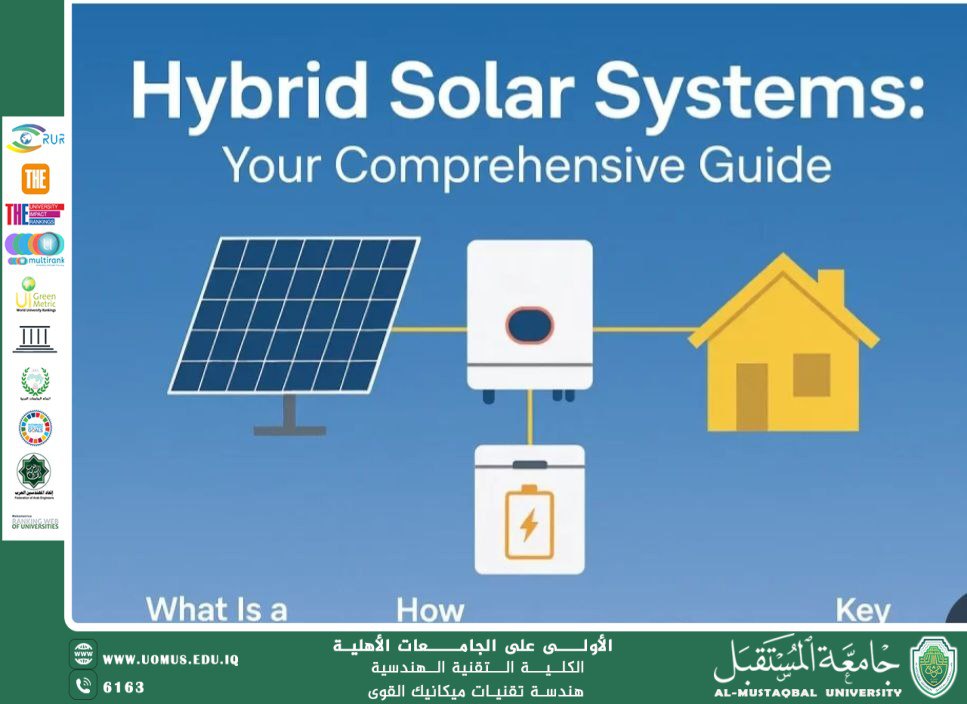
With the increasing global demand for energy and growing environmental concerns related to fossil fuel consumption, hybrid energy systems have emerged as an effective and sustainable solution. These systems combine multiple energy sources, typically renewable and conventional ones, to enhance efficiency, reliability, and environmental performance.
2. Concept of Hybrid Energy Systems
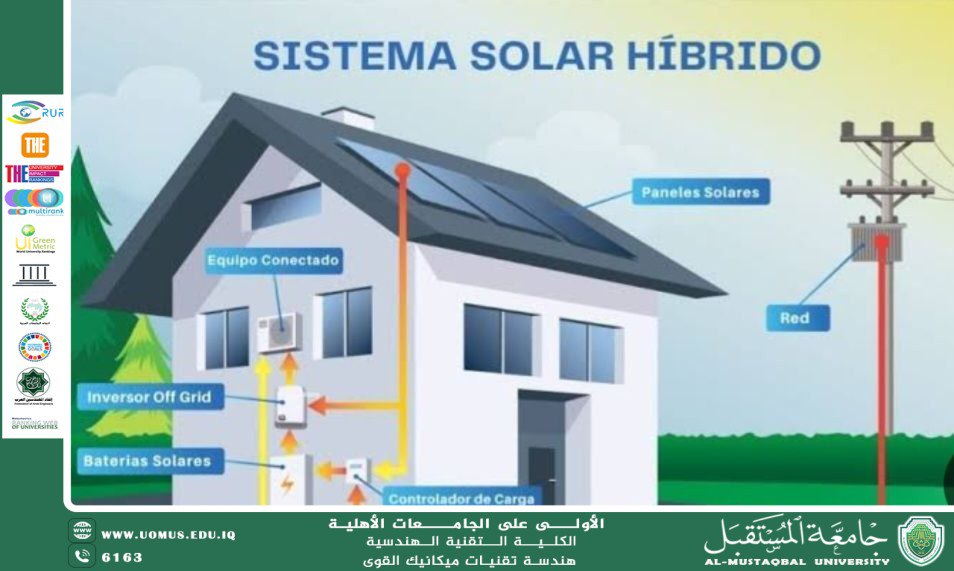
Hybrid energy systems integrate two or more energy sources such as:
Solar energy
Wind energy
Hydropower
Diesel generators
Energy storage systems (batteries)
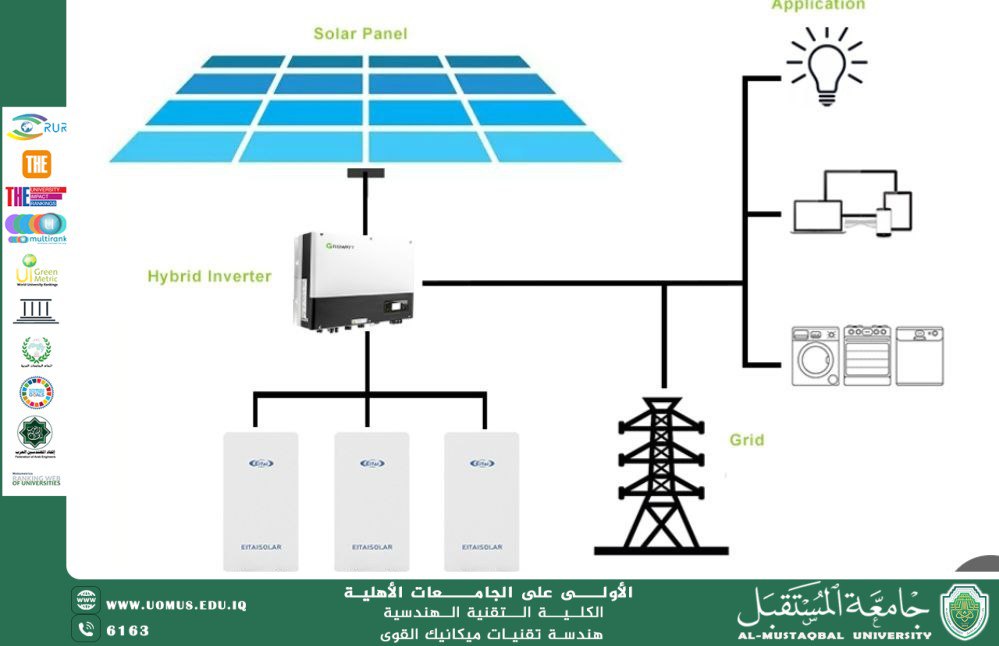
A smart control system manages these sources to balance supply and demand efficiently.
3. Working Mechanism
Hybrid systems operate by utilizing the complementary nature of different energy sources. For example:
Solar panels generate power during daytime
Wind turbines operate when wind is available
Excess energy is stored in batteries
Conventional generators are used only when necessary
This integration improves system reliability and efficiency.
4. Advantages of Hybrid Systems
Improved energy efficiency
Reduced carbon emissions
Lower operational costs in the long term
Reliable and continuous power supply
Suitable for remote and off-grid areas
5. Challenges
Despite their benefits, hybrid systems face several challenges, including:
High initial investment costs
Requirement for advanced control technologies
Specialized maintenance needs
6. Applications
Hybrid energy systems are widely used in:
Rural and remote communities
Islands
Industrial facilities
Hospitals and critical infrastructure
Smart energy systems
7. Conclusion
Hybrid energy systems represent a significant step toward a sustainable energy future. They reduce dependence on fossil fuels while balancing economic development and environmental protection. With advancements in storage and control technologies, hybrid systems are expected to play a key role in the global energy landscape
M.Sc Abrar Abdulkareem