Virtual and Augmented Reality in Virtual Hospitals — Bringing Acute Care Home (Prof. Dr. Mehdi Ebady Manaa)
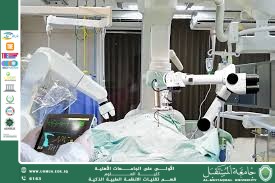
With the rapid acceleration of digital transformation and the advancement of artificial intelligence technologies, virtual hospitals have emerged as a modern model that is redefining the concept of healthcare delivery by transferring acute care services to patients’ homes. This model enhances telemedicine and reduces the burden on traditional hospitals by relying on smart, internet-connected devices that accurately monitor vital signs such as blood pressure, glucose levels, and heart rate. In parallel, artificial intelligence systems analyze real-time data, predict potential health risks, and support physicians in making timely and informed clinical decisions.
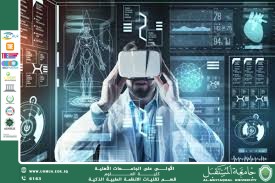
In this context, virtual reality and augmented reality have become essential components of virtual healthcare rather than optional tools. These immersive technologies enable physicians to assess patients’ conditions through three-dimensional visualizations as if they were physically present at the bedside, while also providing interactive guidance to patients or caregivers on the safe use of home medical devices and the correct performance of therapeutic procedures. Furthermore, VR and AR support continuous medical education and training for healthcare professionals as well as patient education through interactive virtual environments, reducing the need for physical travel and ensuring continuity of learning. They also play an important role in addressing the psychological and social needs of patients by simulating engaging virtual environments that reduce feelings of isolation and enhance overall quality of life.
Practically, the adoption of virtual hospitals has a positive impact on healthcare systems by reducing congestion in critical care units, lowering costs associated with prolonged hospital stays and patient transportation, and minimizing medical errors through the use of accurate data and AI-driven analysis. At the same time, patient and family satisfaction increases due to the comfort and psychological reassurance of receiving care at home.
Despite these advantages, several challenges remain, including the need for robust digital infrastructure to ensure continuous and reliable connectivity, the preparation and training of medical staff to effectively manage digital care tools and artificial intelligence systems, the protection of sensitive health data in line with international cybersecurity regulations, and the necessity of ensuring equitable access to these technologies, particularly in rural and underserved areas.
This innovative approach aligns closely with the Sustainable Development Goals by improving health and well-being, supporting high-quality medical education through virtual training environments, fostering innovation and resilient digital infrastructure, reducing inequalities in access to advanced healthcare services, and promoting partnerships among healthcare institutions, universities, technology companies, and policymakers. Accordingly, integrating virtual and augmented reality technologies into virtual hospitals represents not merely a technological advancement, but a strategic transformation toward a more inclusive, equitable, and sustainable healthcare system, in line with the vision of
Al-Mustaqbal University, the leading university in Iraq.
الهدف الثالث(الصحة الجيدة والرفاه).