The Role of Nano-Biochemistry in Advancing Medical Sciences and Biotechnology Dr. Aseel Amer Hadi Department of Biochemistry
Introduction
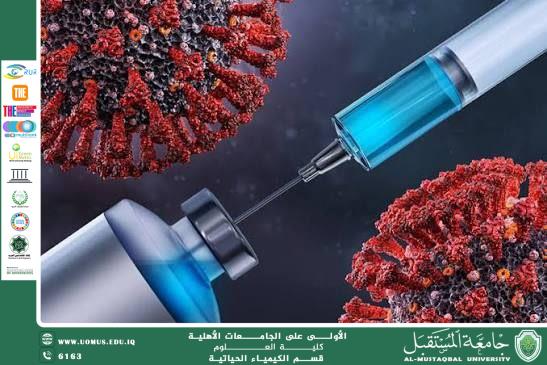
Nano-biochemistry is considered one of the most advanced interdisciplinary scientific fields, as it integrates the principles of biochemistry with nanotechnology to address medical and technological challenges in innovative ways. This field has contributed significantly to revolutionary developments in medical diagnostics, drug delivery systems, and bioengineering, making it a central focus of modern scientific research.
Concept of Nano-Biochemistry
Nano-biochemistry is a scientific discipline that studies biochemical interactions and processes within biological systems using materials and tools at the nanometer scale. These nanomaterials possess unique physical and chemical properties that enable precise interaction with cells, proteins, and nucleic acids, leading to highly targeted and efficient biological applications.
Role in the Medical Field
Nano-biochemistry has played a vital role in advancing early disease diagnosis. Nanoparticles are widely used in the design of highly sensitive biosensors capable of detecting cancer, infectious diseases, and genetic disorders at early stages. Moreover, nano-based drug delivery systems allow therapeutic agents to be delivered directly to affected cells, reducing side effects and significantly improving treatment efficiency.
Role in Bioengineering and Biotechnology
In bioengineering, nanomaterials are utilized in the fabrication of artificial tissues and scaffolds that support cell growth and tissue regeneration. Additionally, nano-biochemistry contributes to the development of more efficient enzymatic systems and enhances fermentation processes and industrial-scale production of pharmaceuticals and bioproducts.
Environmental and Food Applications
The applications of nano-biochemistry extend to environmental fields, where it is used in water treatment and the removal of biological and chemical pollutants. In the food industry, it plays a key role in developing smart packaging systems that ensure food safety and extend shelf life by monitoring quality and preventing contamination.
Challenges and Future Prospects
Despite its remarkable achievements, nano-biochemistry faces challenges related to biosafety, potential environmental impacts of nanomaterials, and the need for regulatory frameworks governing their use. Nevertheless, ongoing research indicates that nano-biochemistry will have a pivotal role in the future of personalized medicine, gene therapy, and advanced diagnostic technologies.