.Intelligent Medical Virtual Assistants as a Tool to Reduce the Burden on Healthcare Staff (M. Dr. Maytham Nabil Miqdad)
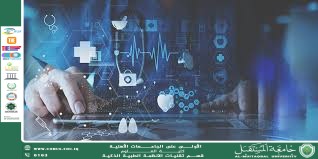
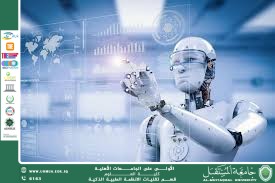
With the continuous increase in demand for healthcare services, doctors and nurses are facing growing pressures due to staff shortages and the rising number of patients, especially in critical care departments. In this context, Intelligent Medical Virtual Assistants have emerged as one of the innovative digital solutions aimed at reducing the daily workload on healthcare professionals. These systems, which are based on artificial intelligence and natural language processing, are capable of interacting with patients, answering their inquiries, monitoring their vital data, and providing preliminary recommendations, thereby allowing medical staff to focus on more complex and high-risk cases.
These virtual assistants play a significant role in healthcare delivery by handling routine medical inquiries related to medications, appointments, dosages, and home-care instructions, which helps reduce the time burden on nurses. They also enable continuous patient monitoring through integration with wearable devices, allowing the tracking of vital signs such as blood pressure and glucose levels and sending alerts when abnormalities are detected. In addition, they assist in triaging cases by engaging patients through interactive questioning to assess the severity of their condition and guide them toward immediate medical attention or home-based care when appropriate. Moreover, some assistants are designed to provide psychological and communicative support, helping reduce feelings of isolation among patients, particularly the elderly and those with chronic diseases, while also contributing to patient education and adherence to treatment plans through virtual guidance and instructional content.
At the system level, the adoption of intelligent medical virtual assistants has a tangible impact on reducing pressure on healthcare staff by delegating routine tasks to automated systems, speeding up access to medical information for patients, and reducing congestion in clinics and hospitals. These systems also enhance the efficiency of healthcare delivery by collecting and analyzing accurate data, enabling physicians to make better-informed clinical decisions. Furthermore, they contribute to cost reduction by minimizing unnecessary repeat visits, which positively affects overall healthcare expenditure.
Despite these advantages, several challenges accompany the implementation of virtual medical assistants. These include ensuring the quality and accuracy of the data provided in accordance with approved medical protocols, maintaining strong cybersecurity measures to protect patient data from breaches, enhancing patient trust and acceptance of such technologies—particularly in more traditional healthcare settings—and ensuring effective integration with electronic health records and existing medical systems.
Intelligent medical virtual assistants are closely aligned with the Sustainable Development Goals (SDGs), particularly by promoting good health and well-being through improved quality of care and expanded access to healthcare services. They also support quality education by enabling continuous training for healthcare professionals and improving patient awareness of treatment plans, while fostering innovation and strengthening digital infrastructure in the healthcare sector. Additionally, they contribute to reducing inequalities by enabling patients in remote areas to access advanced healthcare services and encourage partnerships between technology companies, universities, and healthcare institutions to develop sustainable and scalable solutions.
In conclusion, intelligent medical virtual assistants are not merely technological tools but represent a strategic enabler for supporting healthcare systems worldwide. They enhance care efficiency, reduce costs, increase patient satisfaction, and support healthcare staff in coping with growing workloads. Through their strong alignment with the Sustainable Development Goals, the adoption of these innovations constitutes a fundamental step toward building a more equitable and sustainable healthcare future.
Al-Mustaqbal University the first university in Iraq