Parasitism: Concept, Types, and Biological Impact
Abstract
Parasitism is a biological relationship in which one organism, known as the parasite, benefits at the expense of another organism called the host. This interaction often causes harm to the host and can lead to diseases affecting humans, animals, and plants. Parasitism is widespread in nature and plays a significant role in ecological balance and population regulation. This article discusses the concept of parasitism, its types, mechanisms, and biological effects.
Introduction
Biological interactions among living organisms are fundamental to the study of biology. One of the most important of these interactions is parasitism. Unlike mutualism or commensalism, parasitism benefits only one organism while harming the other. Understanding parasitism is essential due to its medical, ecological, and economic importance.
Definition of Parasitism
Parasitism is a type of symbiotic relationship in which the parasite lives on or inside the host and derives nutrients, shelter, or other benefits, often causing damage to the host’s tissues or physiological functions. The degree of harm may range from mild discomfort to severe disease or death.
Types of Parasitism
Parasitism can be classified into several types, including:
Endoparasitism:
Parasites live inside the host’s body, such as intestinal worms and Plasmodium, the causative agent of malaria.
Ectoparasitism:
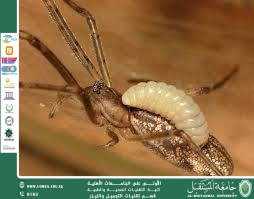
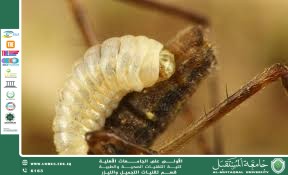
Parasites live on the surface of the host, including lice, fleas, and ticks.
Obligate Parasitism:
The parasite cannot complete its life cycle without a host.
Facultative Parasitism:
The parasite can live independently but may become parasitic under certain conditions.
Mechanisms of Parasitism
Parasites possess specialized adaptations that enable them to survive and reproduce within or on the host, such as:
Resistance to the host immune system
Attachment structures (hooks or suckers)
High reproductive capacity
Physiological adaptation to the host environment
Effects of Parasitism on Hosts
Parasitism can negatively affect hosts in various ways, including:
Weakening of the immune system
Malnutrition and anemia
Tissue and organ damage
Transmission of infectious diseases
Widespread parasitic infections may disrupt ecological balance and reduce population stability.
Importance of Studying Parasitism
Studying parasitism is important for:
Prevention and control of parasitic diseases
Development of effective treatments and medications
Improvement of public health
Protection of agricultural and animal resources
Conclusion
Parasitism is a complex biological phenomenon with significant impacts on living organisms and ecosystems. Understanding its mechanisms and effects helps in disease prevention, treatment strategies, and maintaining ecological balance.
Al _ Mustaqbal University, the first university in Iraq