
A Scientific Article for the Departmental Course By Assist. Lecturer Zainab Ali Mohsen The Role of Physical Activity in Maintaining Cardiovascular Health
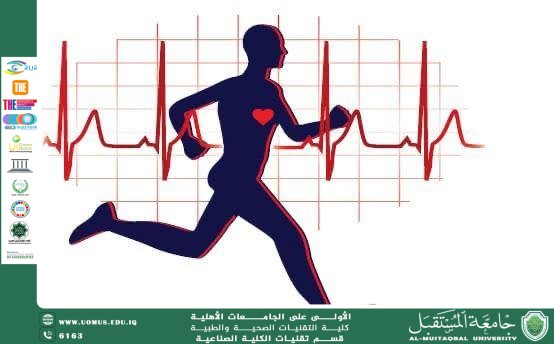
Regular physical activity is one of the most important factors in maintaining cardiovascular health and preventing heart-related diseases. Cardiovascular diseases remain the leading cause of mortality worldwide, and lack of physical activity is considered a major modifiable risk factor. Engaging in regular exercise improves heart function by strengthening the cardiac muscle, enhancing blood circulation, and reducing arterial stiffness. Physical activity also helps regulate blood pressure, lower low-density lipoprotein (LDL) cholesterol, and increase high-density lipoprotein (HDL) cholesterol. These effects collectively reduce the risk of atherosclerosis and coronary artery disease. In addition to its direct effects on the heart, physical activity plays a crucial role in weight management and glucose regulation. Regular exercise improves insulin sensitivity, thereby reducing the risk of type 2 diabetes, which is closely associated with cardiovascular complications. Furthermore, physical activity contributes to better mental health by reducing stress and anxiety, factors that indirectly affect heart health. International health organizations recommend at least 150 minutes of moderate-intensity aerobic activity per week for adults. Activities such as brisk walking, cycling, and swimming are effective and accessible forms of exercise. Incorporating physical activity into daily routines is a cost-effective and sustainable strategy to improve cardiovascular health and overall quality of life.
Al-Mustaqbal University The First University in Iraq