A scientific article by Benin Nazem entitled Artificial Intelligence and its role in the diagnosis of diseases
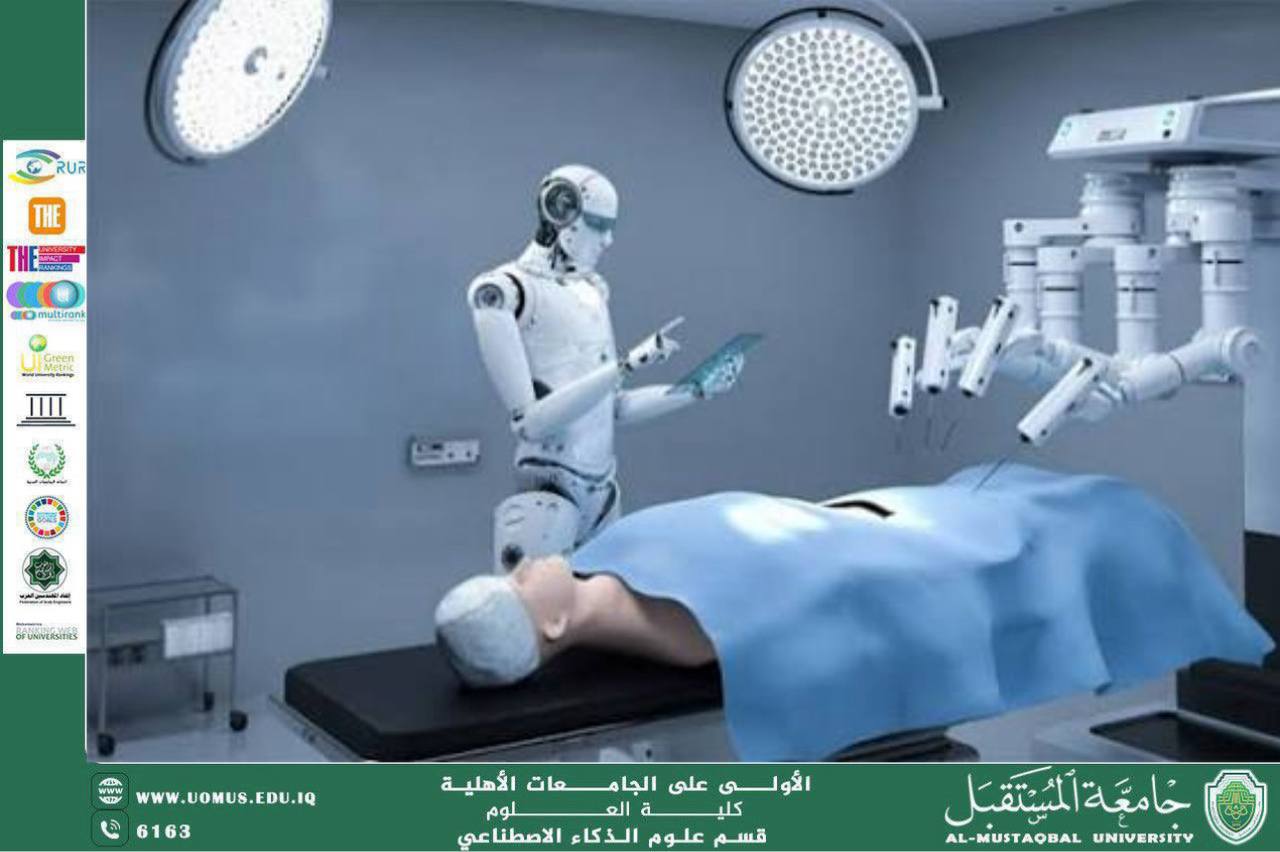
In recent decades, the world has witnessed a tremendous development in the field of information technology, and one of the most prominent of these developments has been the emergence of artificial intelligence, which has become an effective tool used in various fields, especially in the medical field. Diagnosis of diseases is one of the most important stages in health care, as it depends on choosing the appropriate treatment and reducing complications. Hence the role of artificial intelligence in supporting doctors and improving the accuracy and speed of diagnosis
Artificial intelligence is a branch of computer science that aims to design systems capable of simulating human intelligence, such as learning, analysis, inference, and decision making. Artificial intelligence relies on multiple technologies such as machine learning and deep learning, which enable systems to analyze huge amounts of data and derive accurate patterns from it
Artificial intelligence contributed significantly to the development of the disease diagnosis process, and one of its most prominent applications is:
1. Analysis of medical images
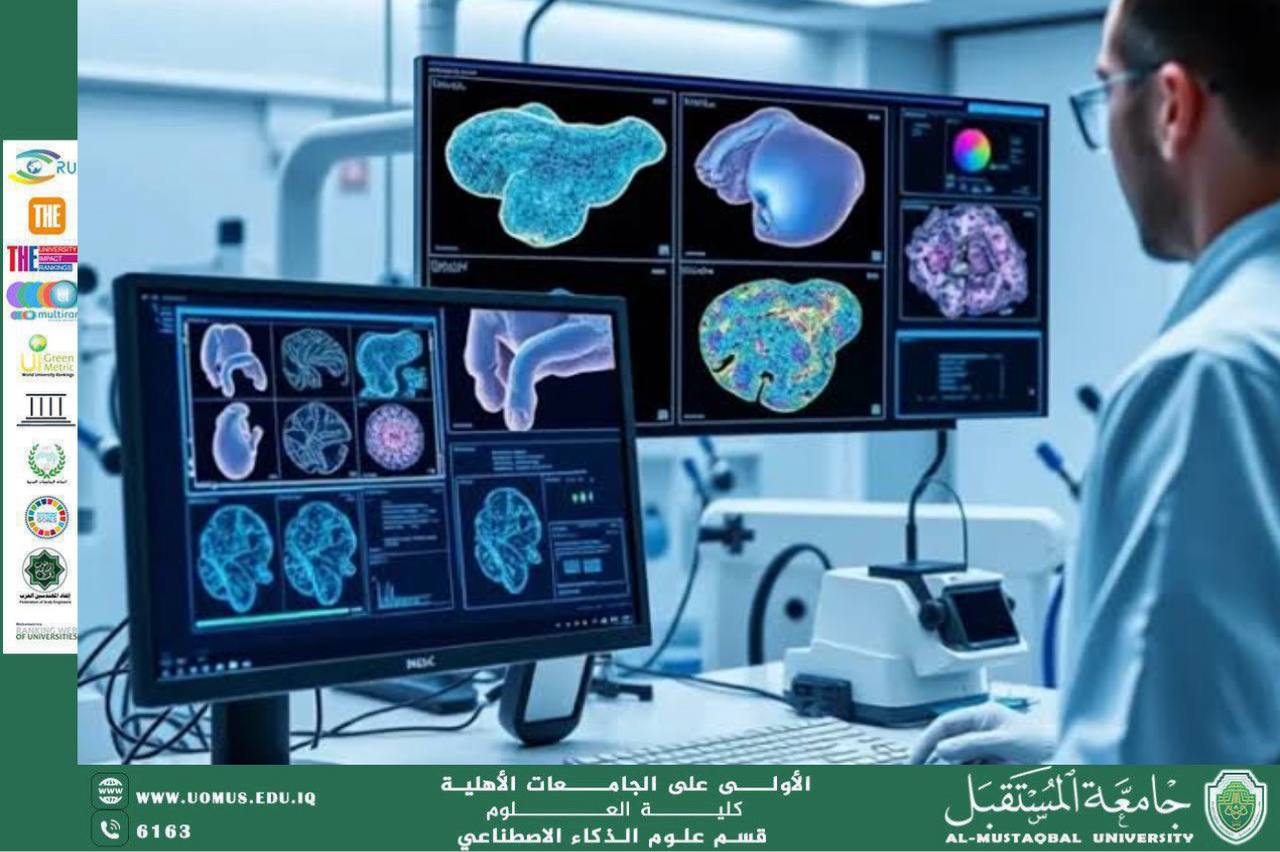
Artificial intelligence techniques are used in the analysis of X-ray, magnetic resonance imaging (MRI), and tomography (CT) images. Where algorithms can detect tumors, fractures, lung disease, and heart disease with high accuracy that may sometimes exceed human diagnosis.
2. Diagnosis of chronic diseases
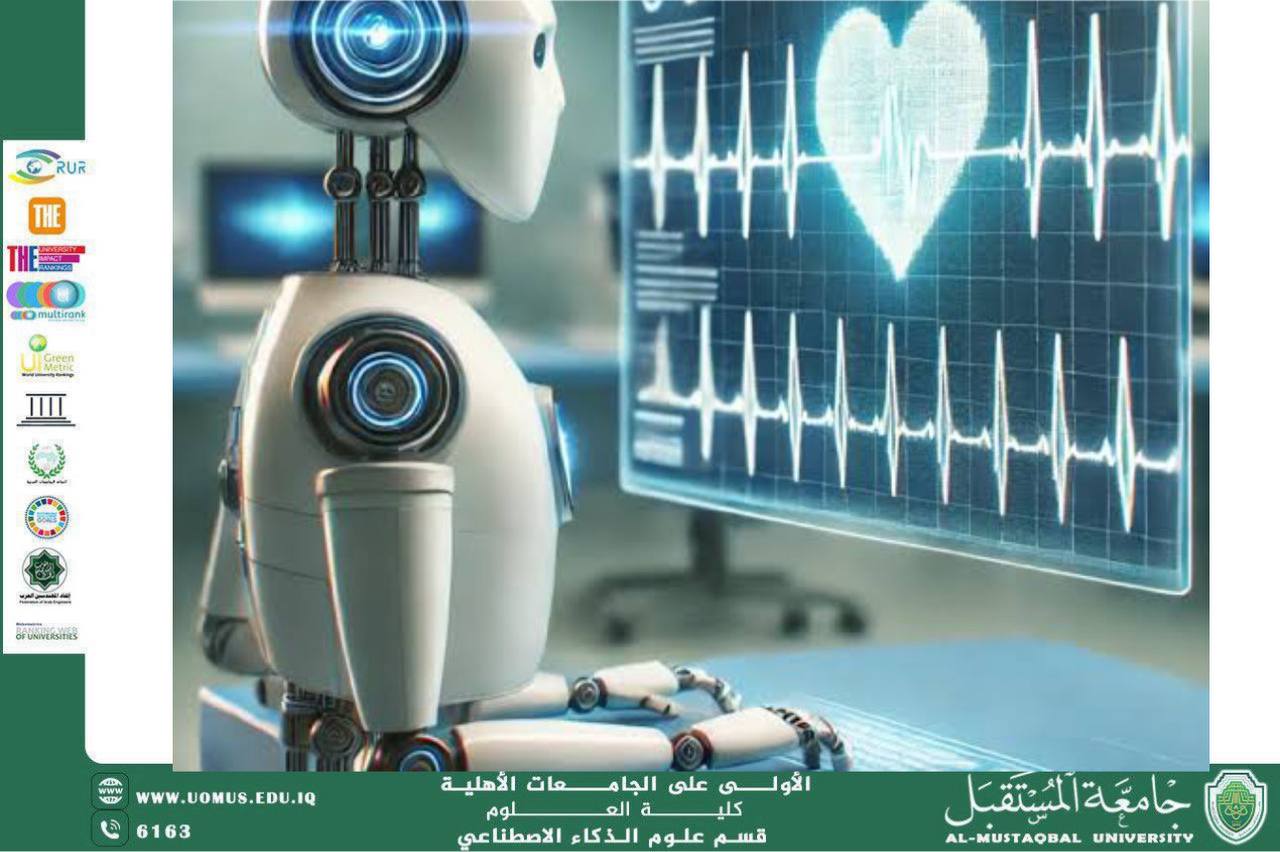
Artificial intelligence helps diagnose diseases such as diabetes, heart disease, and cancer, by analyzing medical records, laboratory results, and a patient's health history.
3. Early detection of diseases
Artificial intelligence is characterized by its ability to detect early signs of diseases, such as Alzheimer's and cancer, which increases the chances of successful treatment and reduces mortality.
4. Medical Decision Support
Artificial intelligence systems act as a smart assistant to doctors, suggesting possible diagnoses and treatment options based on the available data
Despite the great benefits, the use of artificial intelligence in the diagnosis of diseases faces several challenges, including:
• The need for large and accurate medical data
• Concerns regarding the privacy and security of patient information
• Over-reliance on technology
• The difficulty of applying smart systems in some countries with limited resources
Artificial intelligence is a real revolution in the field of disease diagnosis, as it has contributed to improving the accuracy of diagnosis and accelerating the detection of pathological conditions. Despite the challenges it faces, the continuous development in this field heralds a more efficient and accurate medical future, in which artificial intelligence is an essential partner of the doctor and not a substitute for him
Al-Mustaqbal University, the first Iraqi private universities