"A scientific article by Ms. Noor alhuda Azmi Hassan titled "Programmed Cell Death
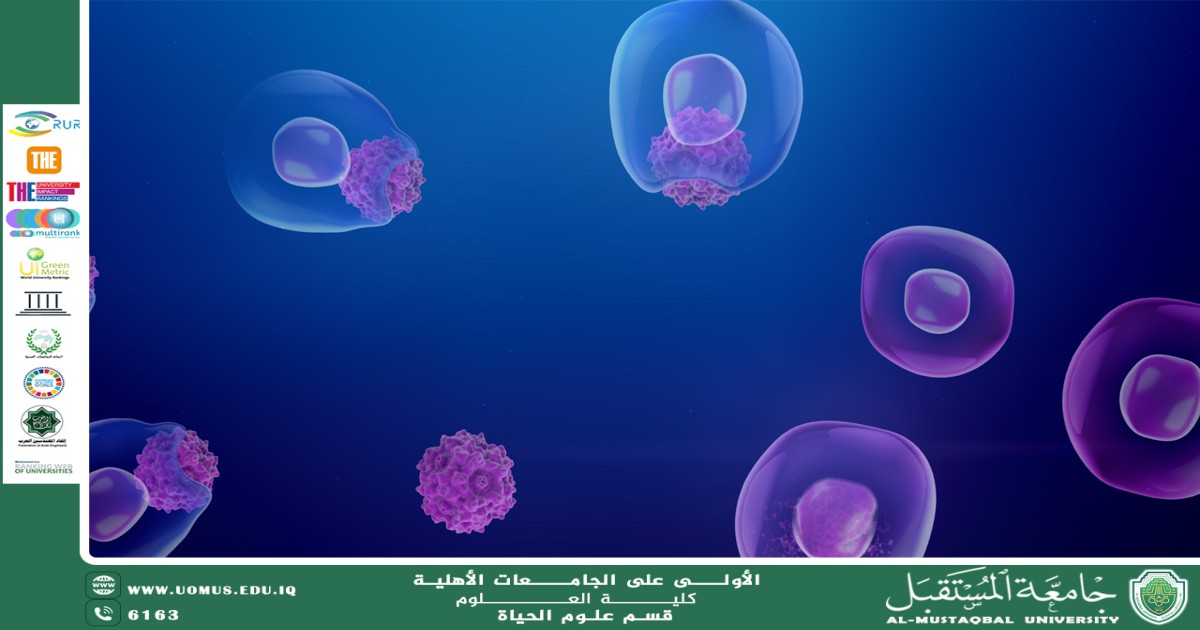
Apoptosis is a natural, organized process that leads to the death of a cell in a controlled manner without causing damage to surrounding tissues. It differs from necrosis, in which the cell dies in a chaotic way, causing inflammation.
2. Steps of Programmed Cell Death
Signal Initiation:
The stimulus can be internal (DNA damage) or external (signal from another cell).
Activation:
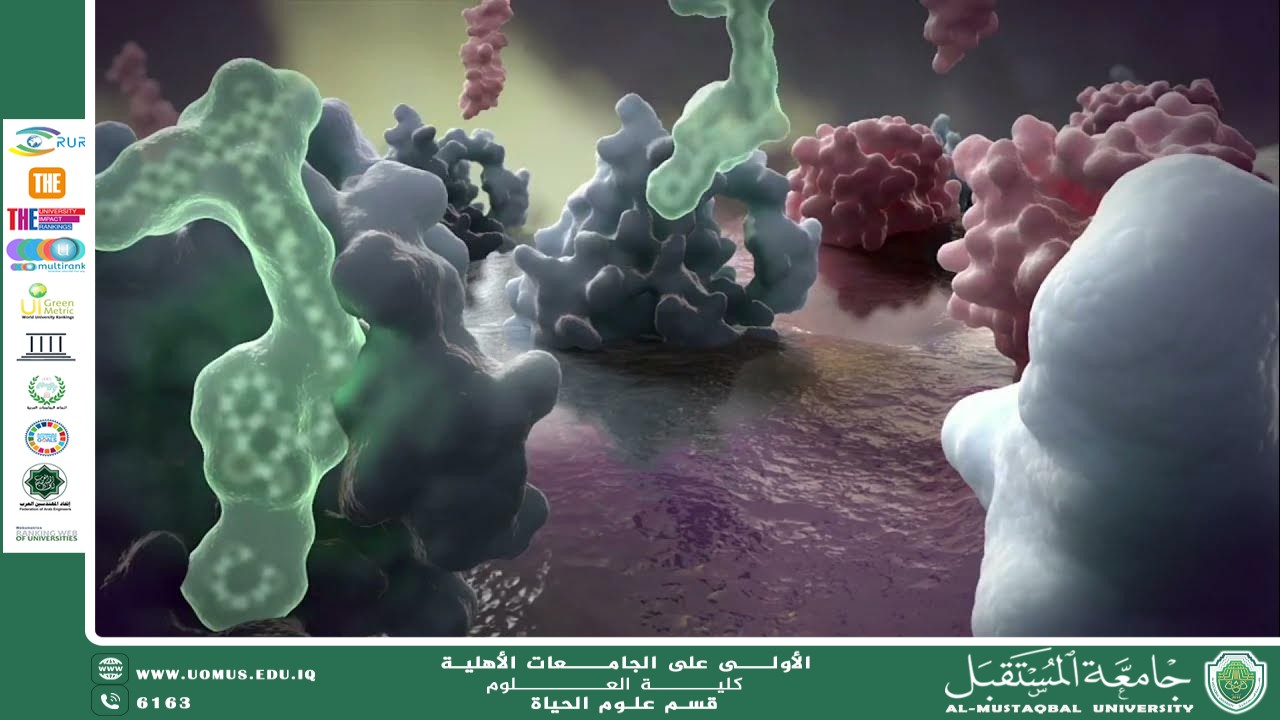
Enzymes called caspases are activated, which break down the cell’s components.
Cell Shrinkage:
The cell becomes smaller, and its contents become more concentrated.
Nuclear and DNA Fragmentation:
The nucleus and DNA are broken down into smaller fragments.
Blebbing:
The cell forms small bubbles on its membrane.
Phagocytosis:
The cell’s remnants are engulfed by other cells without causing inflammation.
3. Causes of Apoptosis
DNA errors or cell damage.
Nutrient deprivation or lack of survival signals.
External stimulation by immune cells.
Regulation of cell growth during embryonic development.
4. Importance of Apoptosis
Maintaining cell balance:
Prevents excessive accumulation of unnecessary cells.
Eliminating damaged or infected cells:
Prevents tumor formation.
Role in embryonic development:
Example: Removal of tissue between fingers during fetal development.
Maintaining tissue health:
Prevents inflammation that occurs when cells die in an uncontrolled manner.
Preserving immune function:
Eliminates old or ineffective immune cells.
الهدف الرابع : التعليم الجيد