"A scientific article by Lecturer M.M. Zainab Nazim Aziz titled "Japanese Mustard Greens
Japanese mustard greens, known as Mizuna in Japan, are a distinctive leafy vegetable. They belong to the Brassicaceae family, the same family as cabbage, mustard, and broccoli. Mizuna is appreciated for its mild and unique flavor compared to traditional arugula.
Botanical Description
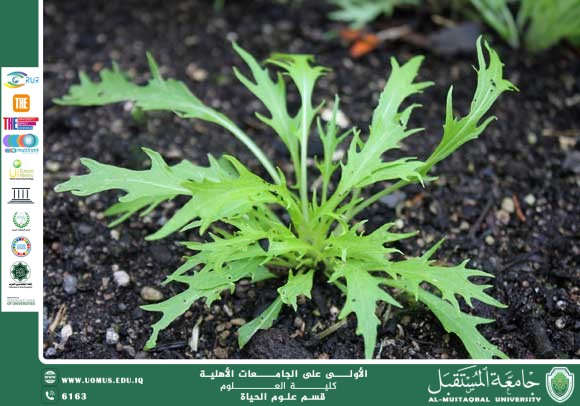
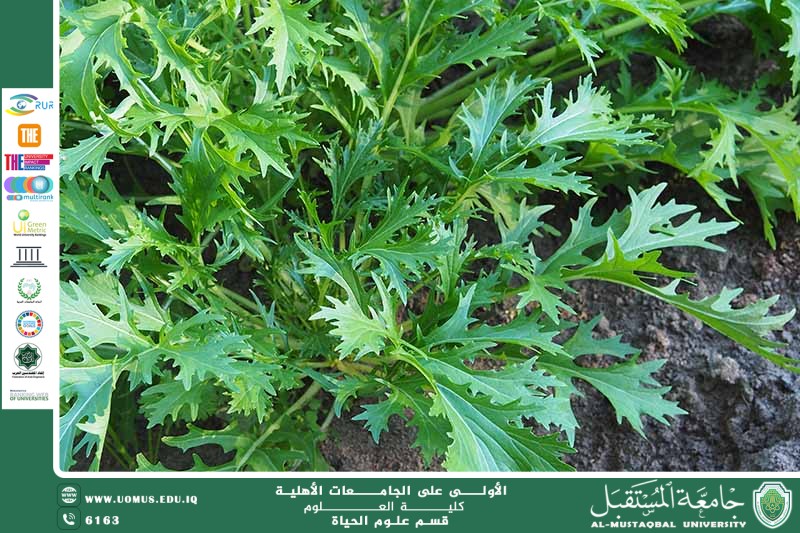
Mizuna is an annual herbaceous plant with finely divided, feather-like leaves. Leaf color ranges from dark green to light green depending on the variety. The leaves are thin and soft, with short stems, making them ideal for salads and fresh dishes. The plant usually grows 20–40 cm in height.
Nutritional Value
Japanese mustard greens contain important nutrients, including:
Vitamins: A, C, K
Minerals: Iron, calcium, potassium, magnesium
Dietary fiber
Antioxidants
They are also low in calories, making them an excellent choice for healthy diets.
Health Benefits
Boosts the immune system
Helps regulate blood pressure
Supports bone and dental health
Improves digestive health
Protects cells from oxidative stress
Cultivation and Environmental Requirements
Mizuna is relatively cold-tolerant and requires:
Fertile, well-drained soil
Partial to full sunlight
Moderate, regular watering
Can be grown in greenhouses or open fields depending on climate
Leaves can be harvested 30–40 days after planting, and successive harvesting by cutting leaves allows continuous yield.
Uses
Consumed fresh in salads
Added to cooked dishes such as soups and stews
Used in sandwiches and pasta
Garnishes dishes due to its graceful shape and attractive color
Conclusion
Japanese mustard greens (Mizuna) are an excellent leafy vegetable combining high nutritional value, easy cultivation, and mild flavor, making them a great choice for daily consumption and home gardening.
الهدف الرابع : التعليم الجيد