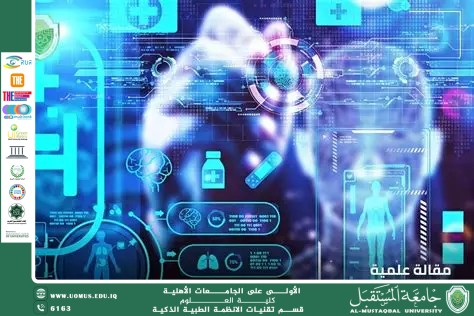
Smart Medical Systems and Supporting Healthcare Teams in Reducing Human Errors
Smart medical systems represent one of the most significant technological transformations in modern healthcare, playing a crucial role in supporting healthcare teams and reducing the likelihood of human errors caused by work pressure, fatigue, or the increasing complexity of medical procedures. These systems rely on artificial intelligence, medical data analytics, and the Internet of Medical Things, making them essential tools for informed decision-making and enhancing the quality of healthcare services.
These systems assist doctors and nurses by providing accurate and real-time patient information, including medical records, laboratory tests, and diagnostic images. This integration helps minimize errors resulting from incomplete or misinterpreted information and allows healthcare professionals to focus more on the human aspects of care rather than technical or administrative tasks.
Smart medical systems also help reduce medication errors through electronic prescription systems and intelligent alerts that warn against drug interactions or inappropriate dosages, thereby preventing mistakes caused by handwritten prescriptions or oversight. Additionally, smart monitoring systems continuously track patients’ vital signs, enabling early detection of abnormal changes and timely interventions before conditions worsen.
An important benefit of these systems is the reduction of cognitive load and psychological stress on healthcare teams, particularly in high-risk environments such as emergency departments and intensive care units. By automating routine tasks and providing decision support, the risk of mental fatigue decreases, which positively impacts performance accuracy and patient safety.
Despite their significant role in minimizing human errors, the effectiveness of smart medical systems depends on proper integration with human expertise. These systems are designed to support healthcare teams rather than replace them, requiring ongoing training for users and regular system updates to ensure reliability and accuracy.
Overall, smart medical systems represent a vital step toward improving patient safety and enhancing healthcare team efficiency, contributing to a more accurate and secure healthcare environment while maintaining the essential role of human judgment in patient care.
Al-Mustaqbal University is the first one university in Iraq.