A scientific article on intrauterine insemination (IUI)
What is IUI?
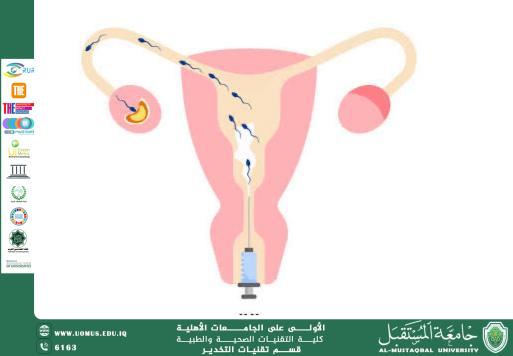
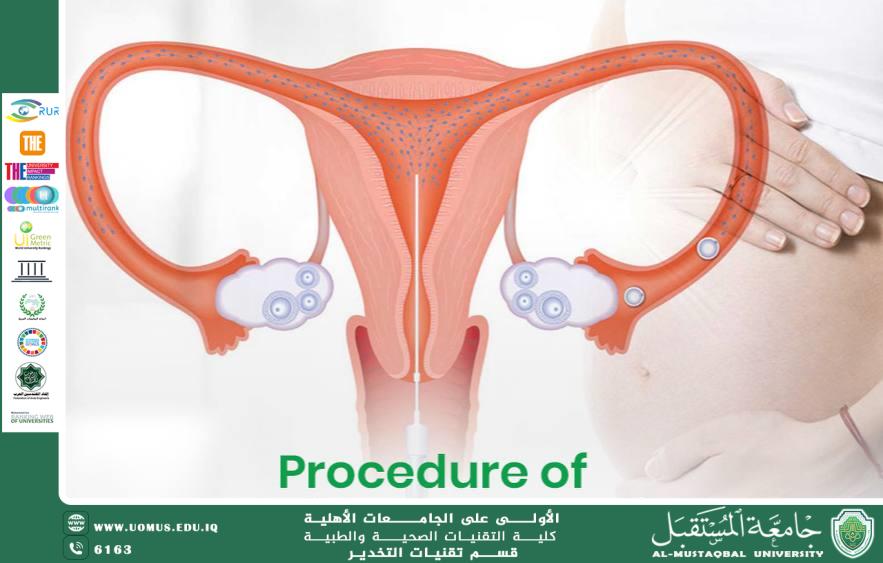
Intrauterine insemination (IUI) is a fertility treatment technique in which a laboratory-prepared sample of sperm is inserted directly into the uterine cavity during the ovulation period, aiming to increase the chances of sperm reaching the egg and achieving fertilization.
Indications for IUI :
IUI is used in the following cases:
• Mild to moderate low sperm count or motility
• Ovulation disorders or irregular cycles
• Unexplained infertility
• Cervical issues or thick cervical mucus
• Infertility related to poor ejaculation
• Mild cases of endometriosis
• When using donor sperm
Steps of IUI Procedure :
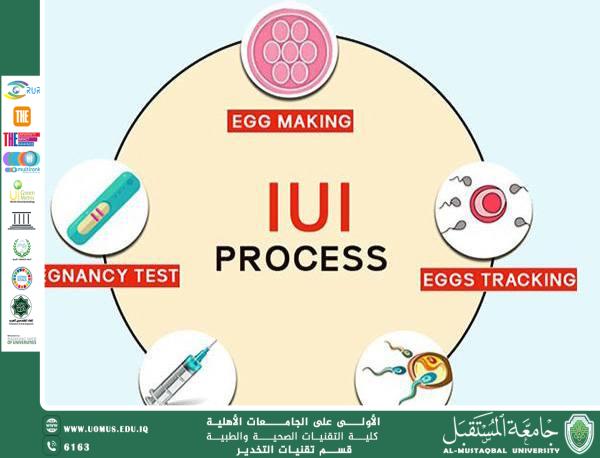
1. Ovulation stimulation (in some cases) using hormonal medications
2. Monitoring ovulation via ultrasound and hormonal tests
3. Preparing the sperm sample in the lab to isolate healthy, motile sperm
4. Inserting the sample into the uterus using a thin, painless catheter
5. Follow-up after the procedure and performing a pregnancy test after 14 days
Success Rates
Success rates vary depending on:
• Woman’s age
• Cause of infertility
• Sperm quality
• Use of ovulation stimulation
Typically, the success rate ranges between 10–20% per treatment cycle and may increase with repeated attempts in suitable cases.
Advantages of IUI :
• Simple and non-surgical procedure
• Less expensive compared to IVF
• No anesthesia required
• Quick procedure
Possible Complications :
• Mild lower abdominal cramps
• Possibility of multiple pregnancies when using ovulation stimulants
• Rarely: minor uterine infections
Dr. Noor Kareem Al-Fatlawy
Al-Mustaqbal University
The First University in Iraq