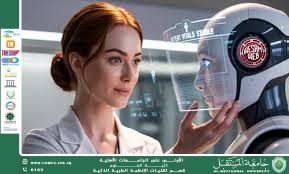

From Traditional Medicine to Smart Healthcare: The Transformation of Smart Medical Systems in the Twenty-First Century
The healthcare sector in the twenty-first century has witnessed a profound transformation, shifting from traditional medical models that relied primarily on limited human expertise and paper-based practices to smart healthcare systems driven by digital technologies and artificial intelligence. This transition has reshaped the concept of healthcare delivery, making it more accurate, flexible, and responsive to the growing needs of patients.
For many years, traditional medicine depended on clinical examinations and symptom-based diagnoses guided by physicians’ personal experience, which often allowed variability in medical decision-making. With the advancement of smart medical systems, vast amounts of health data can now be analyzed in a very short time, enabling faster and more accurate diagnoses supported by extensive databases and advanced algorithms that enhance clinical decision-making.
Smart medical systems have also contributed to the evolution of treatment approaches through the shift toward personalized medicine, where therapeutic plans are tailored to individual patient characteristics such as medical history, lifestyle, and genetic factors. In addition, the use of smart devices and remote monitoring systems has improved patient follow-up, particularly for individuals with chronic diseases, reducing the need for frequent hospital visits.
Hospitals and medical centers have experienced significant changes in their working environments due to the adoption of smart systems that automate both administrative and clinical processes, reduce human errors, and optimize resource management. This transformation has enhanced the efficiency of healthcare teams and allowed more time for meaningful interaction with patients, leading to more humane and patient-centered care.
Despite the remarkable progress achieved through smart medical systems, this transformation also presents challenges related to data privacy, cybersecurity, and the ethical use of artificial intelligence in healthcare. Therefore, the success of this shift depends on achieving a balance between technological innovation and the preservation of human values, while maintaining the essential role of physicians in the medical decision-making process.
In conclusion, the transition from traditional medicine to smart healthcare in the twenty-first century represents a pivotal milestone in the history of medical practice. Smart medical systems have laid the foundation for a more advanced and efficient healthcare ecosystem, emphasizing the continued integration of technology and human expertise to achieve optimal health outcomes.
Al-Mustaqbal University is the first one university in Iraq.