

The Role of Dietary Supplements in Enhancing Physiological Functions in Athletes
Introduction
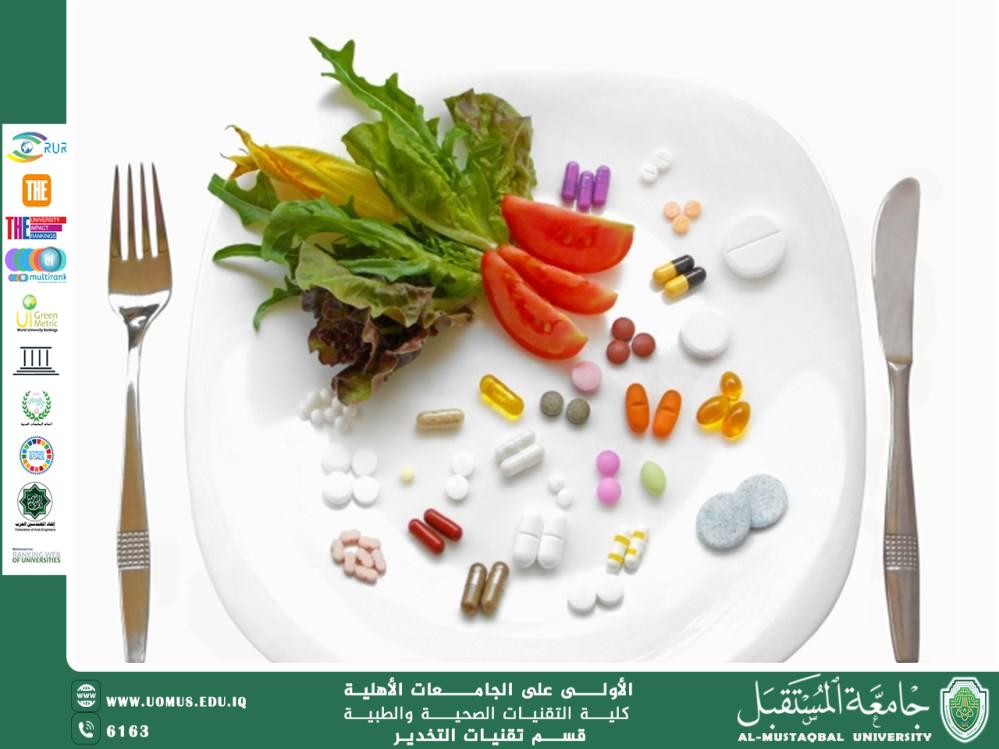
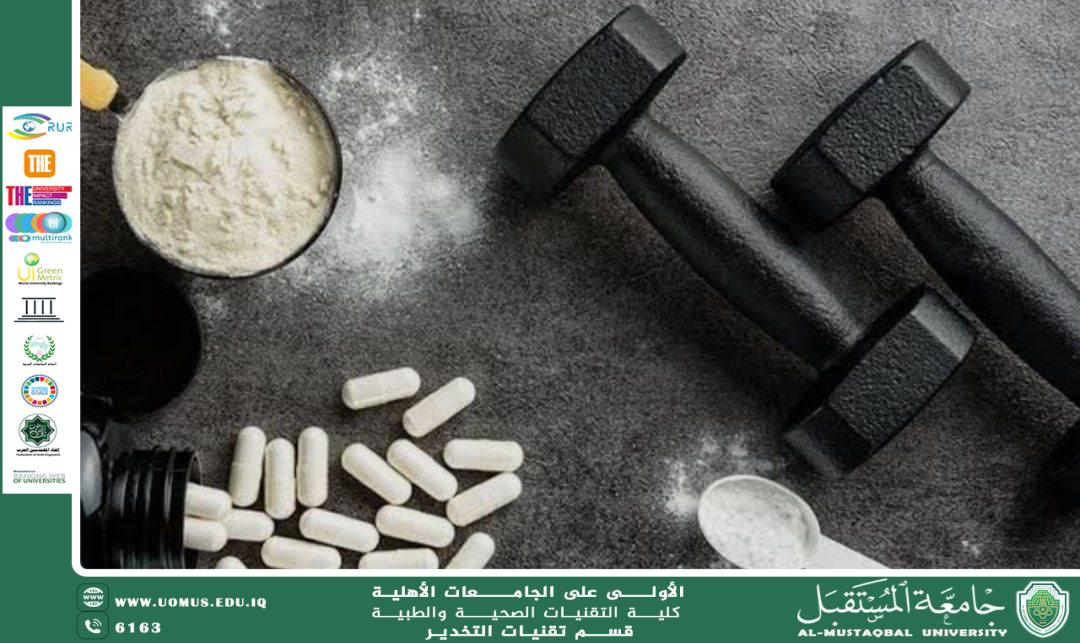
The use of dietary supplements has increased in popularity among athletes in recent years, aiming to improve physical performance and enhance physiological functions. These supplements include proteins, vitamins and minerals, creatine, and ergogenic aids. They are used to support energy metabolism, muscle adaptation, endurance, and post-exercise recovery.
Although proper nutrition remains the foundation of athletic performance, supplements are used to meet specific needs that may not be fully covered by diet alone. However, the effectiveness of these supplements varies depending on the type, the athlete’s condition, and the circumstances of use, making it essential to understand their impact on physiological performance (ScienceDirect, 2021).
1. Concept and Use of Dietary Supplements
Dietary supplements refer to orally consumed products containing vitamins, minerals, amino acids, or other nutrients intended to support the athlete’s diet. These supplements are used to compensate for the increased demands of the body due to intensive training and to enhance adaptation to physiological stress.
Common supplements include:
• Vitamins and minerals (e.g., iron, vitamin D, calcium)
• Protein powders
• Creatine
• Ergogenic aids such as beta-alanine and caffeine (Seemedj, 2025)
2. Effects of Supplements on Physiological Functions
Studies indicate that dietary supplements can influence several physiological markers:
A. Micronutrients
Athletes use vitamins and minerals to correct deficiencies, support immune function and recovery, and aid metabolic processes. However, supplementation without an actual deficiency may not enhance performance and could negatively affect the body’s natural adaptation to exercise (ScienceDirect, 2021).
B. Ergogenic Aids
These include caffeine and beta-alanine, which have been shown to improve strength and endurance depending on the type of exercise, dosage, and timing (PMC, 2004).
C. Functional Supplements and Training Adaptation
Some studies indicate that supplements used alongside strength or endurance programs enhance muscle function and athletic performance, highlighting the importance of aligning supplement type with training to achieve effective results (Journals.ekb, 2025).
3. Limitations and Risks
Despite potential benefits, there are several limitations and risks associated with supplement use:
• Excessive use or use without a deficiency may be ineffective and could disrupt the body’s natural balance (ScienceDirect, 2021).
• Product quality and safety vary, and some supplements may contain undeclared substances that affect health or violate anti-doping regulations (The Guardian, 2025).
• Optimal benefits are usually achieved under professional supervision to avoid unnecessary or counterproductive use.
Conclusion
Dietary supplements play an important but specific role in enhancing athletes’ physiological functions. While some supplements—such as vitamins, minerals, and ergogenic aids—can achieve measurable improvements when deficiencies exist or when used appropriately, indiscriminate use in well-nourished athletes provides limited benefits and may hinder natural physiological adaptation.
Therefore, strategies for supplement use should be personalized, evidence-based, and supervised by nutritionists or medical professionals to ensure positive and sustainable outcomes (ScienceDirect, 2021).
References
1. Voica S., Lenasi H., Šelb J. Dietary Supplements and Sport Performance – A Comprehensive Review. Southeastern European Medical Journal. (2025). (Seemedj)
2. Micronutrients and Athletic Performance: A Review. ScienceDirect. (2021).
3. Efficacy of Dietary Supplements on Sports Performance Outcomes: A Systematic Review of Evidence in Elite Athletes. PMC.
4. Effect of Functional Dietary Supplements on Physical Capabilities of Weightlifters. Journal of Sport Science (2025).
Estabraq Rasool Hussein
Al-Mustaqbal University
The First University in Iraq