A medical engineering study aimed at treating liver tumors using heat generated by radio waves (instead of scalpels and surgery).
biomedical engineering study aims to treat liver tumors using heat generated by radio waves (instead of scalpels and surgery).
The concept is as follows:
1. Sending electrical energy via a special needle (probe) to raise the tumor's temperature until it dies (is charred).
2. Using mathematical equations (such as Pennis' equation) to calculate how this heat is distributed within the liver.
3. Ensuring that the heat completely kills the tumor and that it is not cooled by blood flowing in nearby blood vessels (the heat sink effect).
The project was supervised by:
Professor Dr. Ibrahim Abdullah Mardas
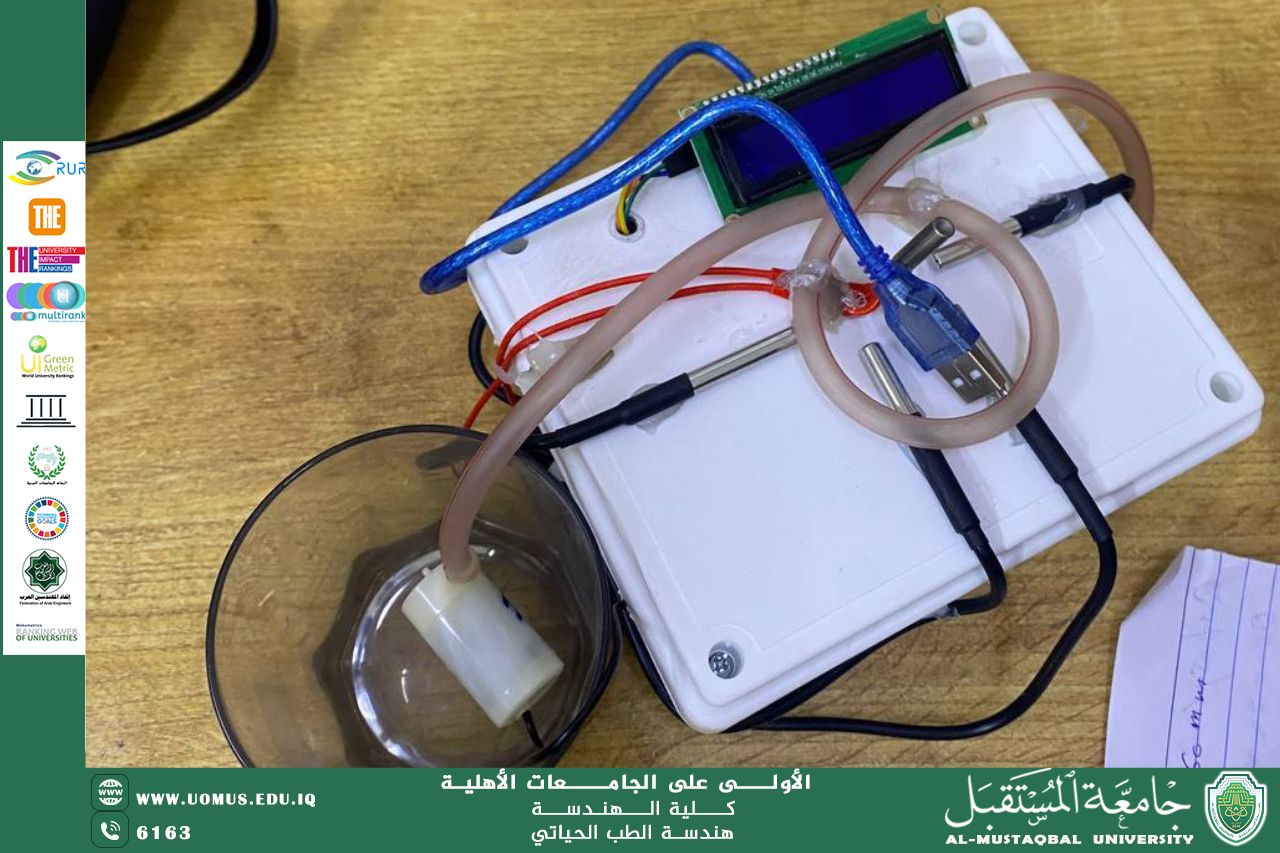
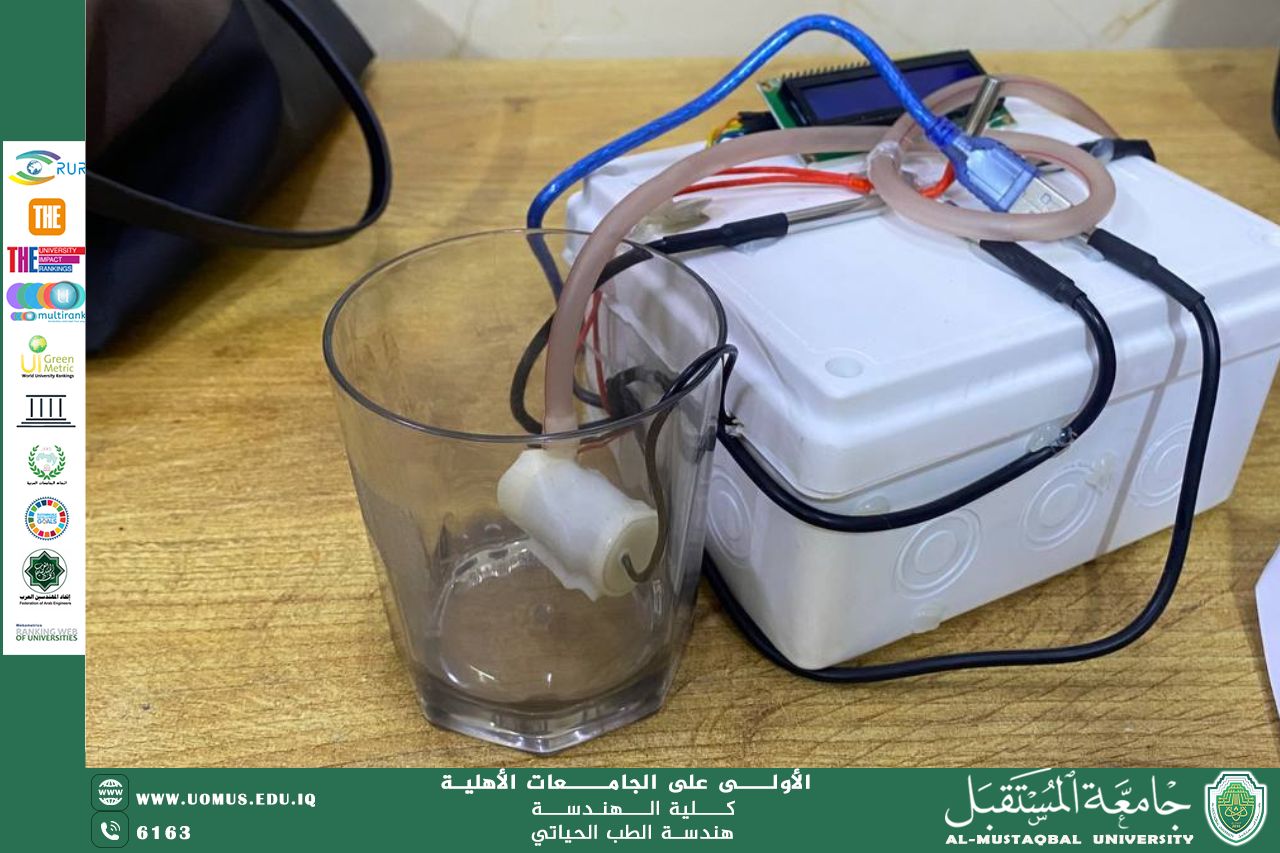
Device components:
• Control box: Contains the electronic circuit and programming.
• LCD screen: To display temperatures and data in real time.
• Sensors (long probes): To measure the extent of heat reaching the simulated tissue.
• Small pump: To simulate blood flow in the veins to test the effect of cooling on the process.
It is essentially a form of tumor cauterization. A fine needle (probe) is inserted into the center of the tumor in the liver. This needle sends out radiofrequency waves that cause the cells to vibrate and generate very high heat inside them, leading to the death and destruction of the tumor in place.