Scientific Article by Miss Noor Alhuda Azmi Hasan Title: Antibiotic Resistance and Its Impact on Laboratory Test Results
Antibiotics are among the most important medical discoveries that have contributed to reducing mortality rates caused by bacterial infections. However, excessive or improper use of these drugs has led to the emergence of a serious phenomenon known as antibiotic resistance.
Antibiotic resistance occurs when bacteria change in a way that makes them insensitive to drugs that were previously effective in eliminating them. This issue not only affects direct patient treatment but also extends its impact to laboratory test results and accurate diagnosis.
Causes of Antibiotic Resistance
Excessive or unnecessary use:
Taking antibiotics for viral infections such as the common cold.
Using antibiotics without a prescription.
Incomplete treatment:
Stopping the medication before completing the full course allows some bacteria to survive, which may develop resistance.
Transmission of resistant bacteria:
Infection with resistant bacteria from hospital or community environments.
Genetic changes in bacteria:
Mutations or alterations that make bacteria less susceptible to antibiotics.
Impact of Antibiotic Resistance on Laboratory Test Results
Antibiotic resistance can directly and indirectly affect laboratory results in several ways:
Effect on bacterial growth in the lab:
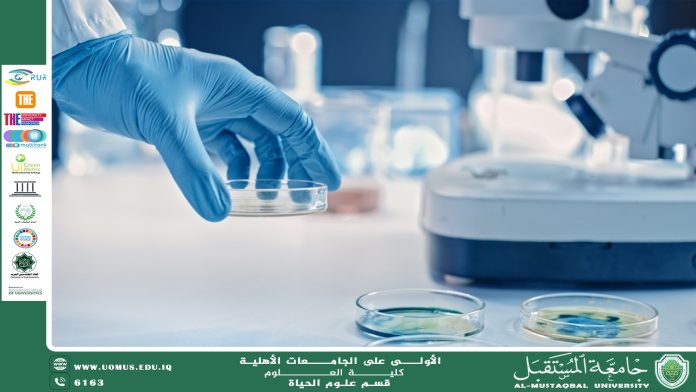
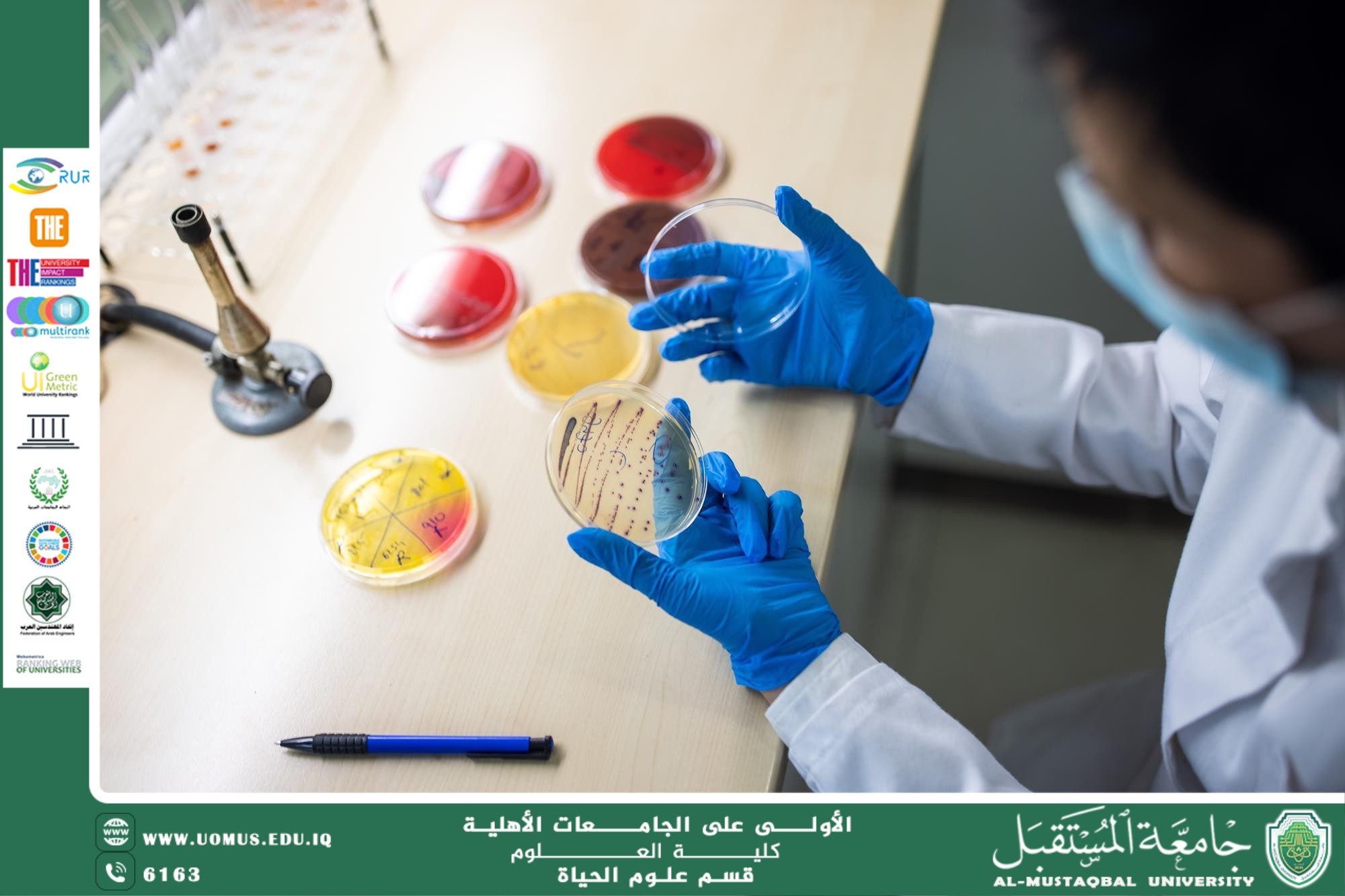
When a sample is taken from a patient receiving antibiotics, bacteria may fail to grow in the culture medium, resulting in a false-negative result despite the presence of infection.
Changes in bacterial drug sensitivity:
Laboratory testing for drug susceptibility may show resistance to antibiotics that were previously effective, altering the treatment plan.
Delayed diagnosis:
Incorrect or inaccurate lab results may lead to misdiagnosis or delays in providing appropriate treatment.
Impact on inflammatory markers:
Persistent infection due to antibiotic resistance can cause inflammatory markers, such as CRP or WBC, to remain elevated, giving a misleading picture of disease severity.
Ways to Reduce the Impact of Antibiotic Resistance on Lab Tests
Collect samples before starting antibiotic therapy.
Use advanced laboratory methods to detect resistant bacteria.
Ensure the use of appropriate antibiotics based on lab susceptibility results.
Educate patients about the importance of completing full doses and avoiding unnecessary antibiotics.
Antibiotic resistance is one of the greatest challenges facing modern medicine, as it affects accurate diagnosis, laboratory test results, and treatment efficacy. Therefore, it is essential to promote rational drug use, rely on accurate laboratory testing, and increase health awareness to prevent the worsening of this problem.
Al-Mustaqbal University is The First University in Iraq
الهدف الرابع : التعليم الجيد