Materials Used in the Fabrication of Prosthetics and Orthotics and Their Role in Improving Motor Function
The fabrication of prosthetics and orthotics is a precise medical
engineering specialty that relies fundamentally on selecting appropriate materials, as these materials have a direct impact on patient comfort, device efficiency, durability, and overall motor function. Understanding the properties of these materials is a key factor in successful design and clinical application.
---
### Importance of Material Selection
Material selection is not based solely on strength; it involves several factors, including:
* Weight and lightness
* Durability and resistance to breakage
* Flexibility and shock absorption capability
* Biocompatibility with the human body
* Cost and ease of manufacturing
* Suitability for the type of condition and environment
---
### First: Plastic Materials
Plastic materials are widely used due to their light weight and ease of forming, including:
**1. Polypropylene (PP)**
* One of the most commonly used materials in orthotic fabrication
* Lightweight and easy to thermoform
* Resistant to moisture and fracture
* Suitable for ankle–foot, knee, and lower-limb orthoses
* Commonly used in low-resource settings
**2. Polyethylene (PE)**
* Flexible and comfortable for the patient
* Used mainly in inner components (liners)
* Suitable for sensitive cases and fragile skin
---
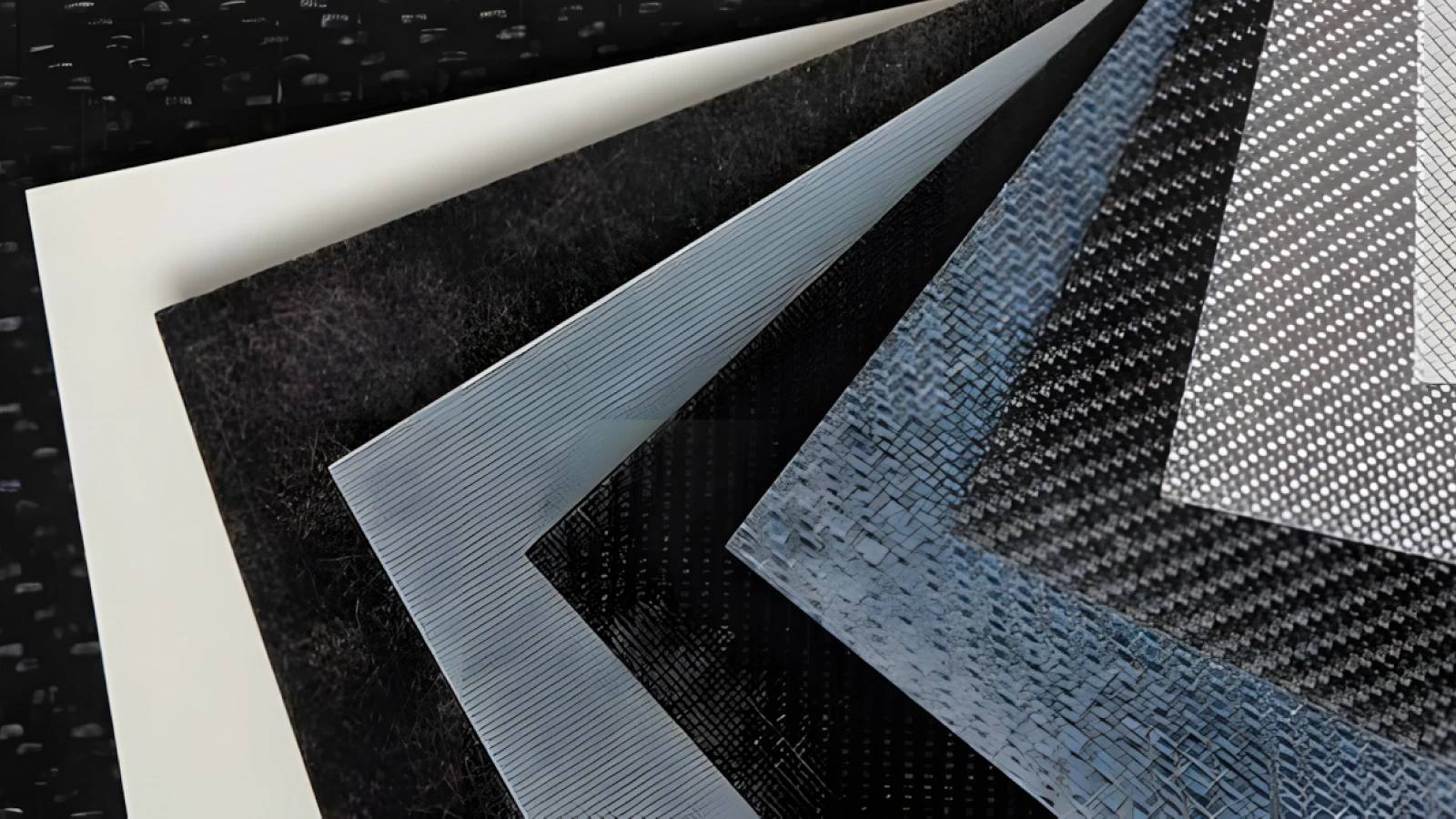
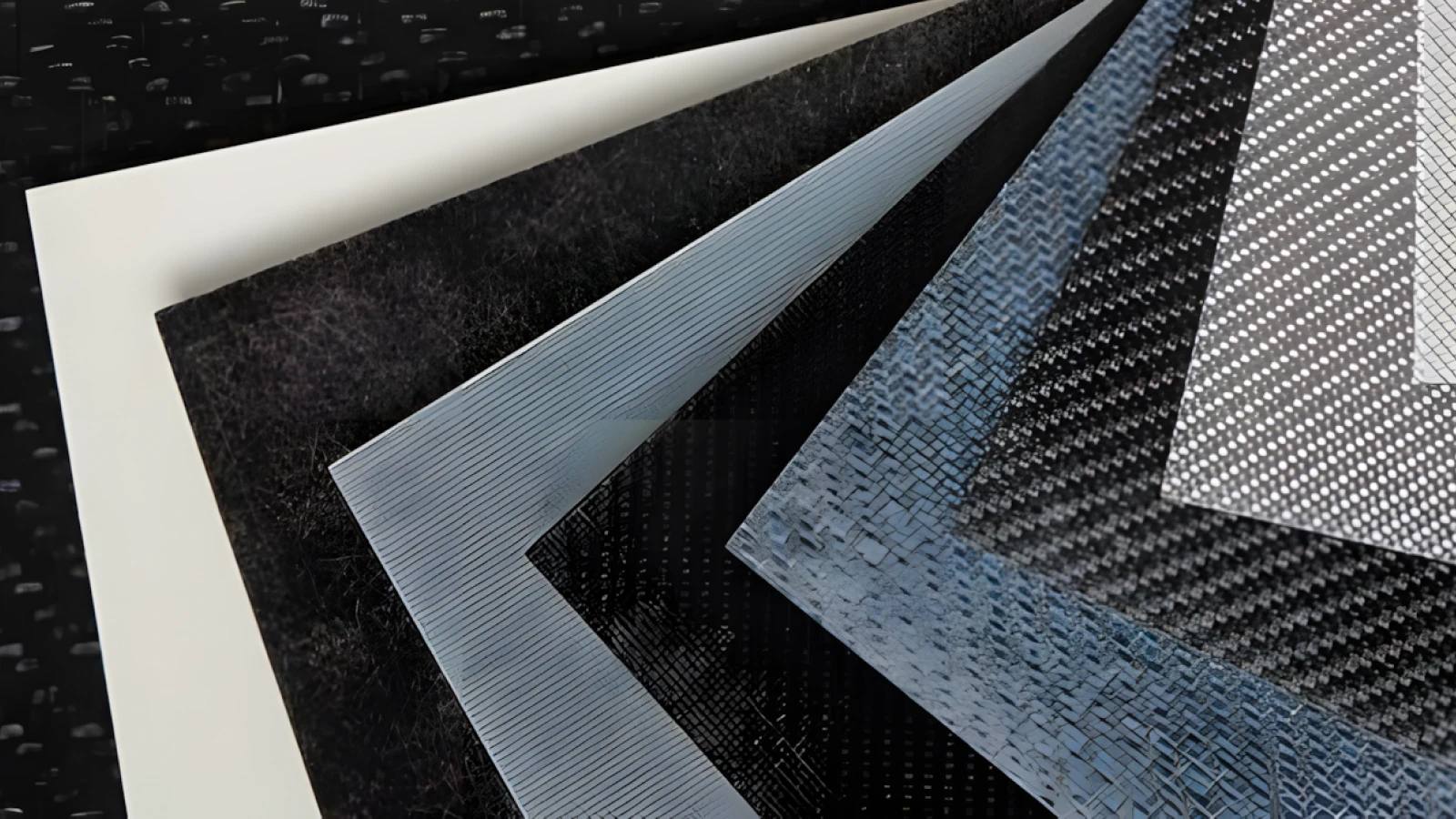
### Second: Composite Materials
These materials are used to achieve high strength with low weight, including:
**1. Carbon Fiber**
* Extremely lightweight and strong
* Used in modern prosthetic feet
* Stores and returns energy during walking
* High cost but excellent functional performance
**2. Fiberglass**
* Lower cost compared to carbon fiber
* Good durability
* Used in advanced prosthetic and orthotic devices
---
### Third: Metals
Metals are used in components that require high strength and stability, including:
**1. Aluminum**
* Lightweight
* Corrosion-resistant
* Used in structural frames and supports
**2. Stainless Steel**
* Very strong
* Used in joints and axes
* Relatively heavy
**3. Titanium**
* Lightweight and strong
* High biocompatibility
* High cost and used in special cases
---
### Fourth: Soft and Comfort Materials
These materials are used to enhance patient comfort and protect the skin, including:
* Silicone
* Foam materials (EVA, PU foam)
* Medical gel
They are commonly used in:
* Prosthetic liners
* Pressure- and friction-prone areas
---
### Fifth: Recycled Materials
In recent years, research has focused on the use of:
* Recycled plastics
* Low-cost alternative materials
With the aim of:
* Reducing production costs
* Supporting environmental sustainability
* Providing prosthetic devices to low-income countries
---
### Conclusion
The materials used in the fabrication of prosthetics and orthotics play a pivotal role in the success of the therapeutic device and patient comfort. Proper material selection, based on sound scientific and clinical principles, ensures a balance between efficiency, comfort, durability, and cost, and represents a cornerstone in the advancement of this vital field.