The Role of Artificial Intelligence in Education
The Role of Artificial Intelligence in Education
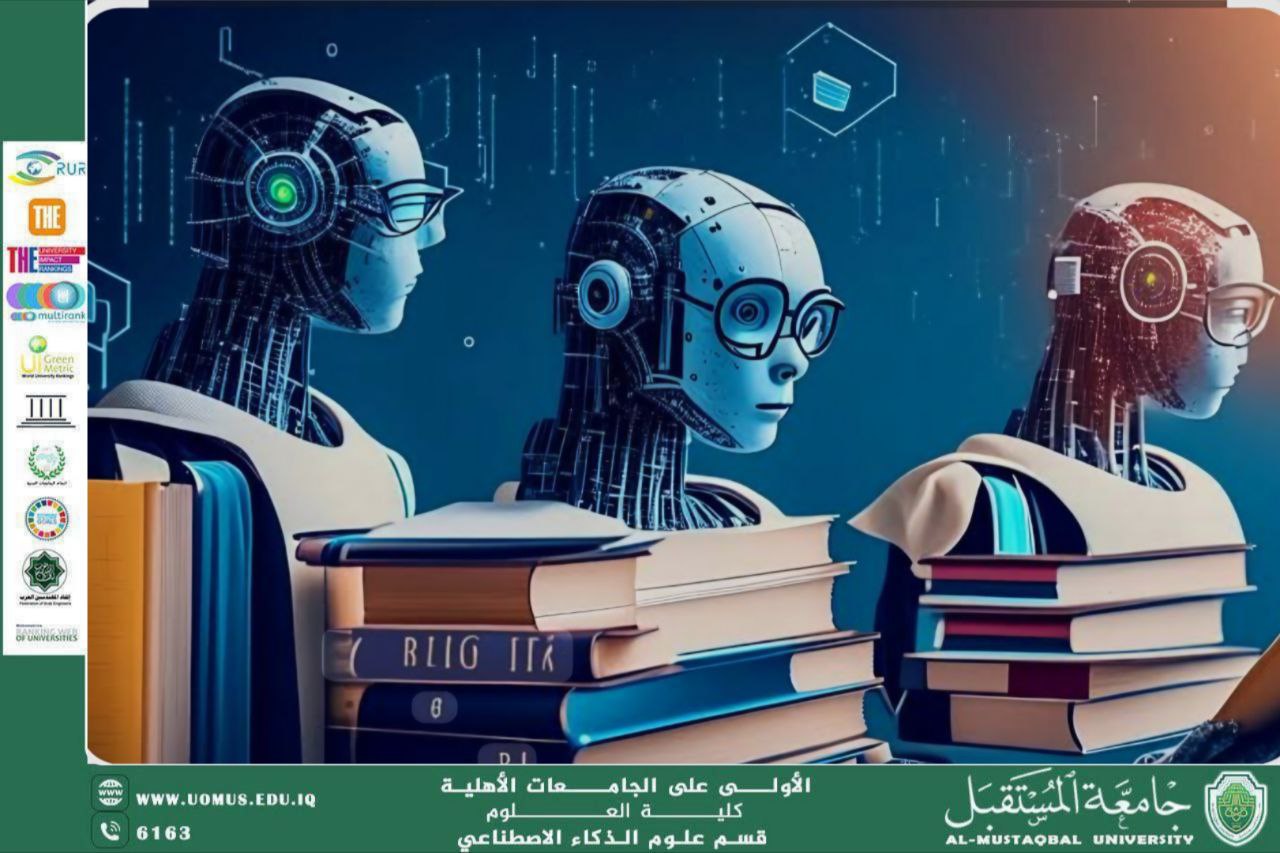
Artificial Intelligence (AI) has become one of the most influential modern technologies, significantly transforming various aspects of life. Education is among the sectors that have greatly benefited from AI, as it introduces intelligent systems capable of analyzing data, learning from it, and supporting the educational process.
AI plays a major role in personalized learning by analyzing students’ performance, strengths, and weaknesses, then providing customized educational content that suits individual learning speeds and abilities. This approach helps reduce individual learning gaps and promotes educational equity.
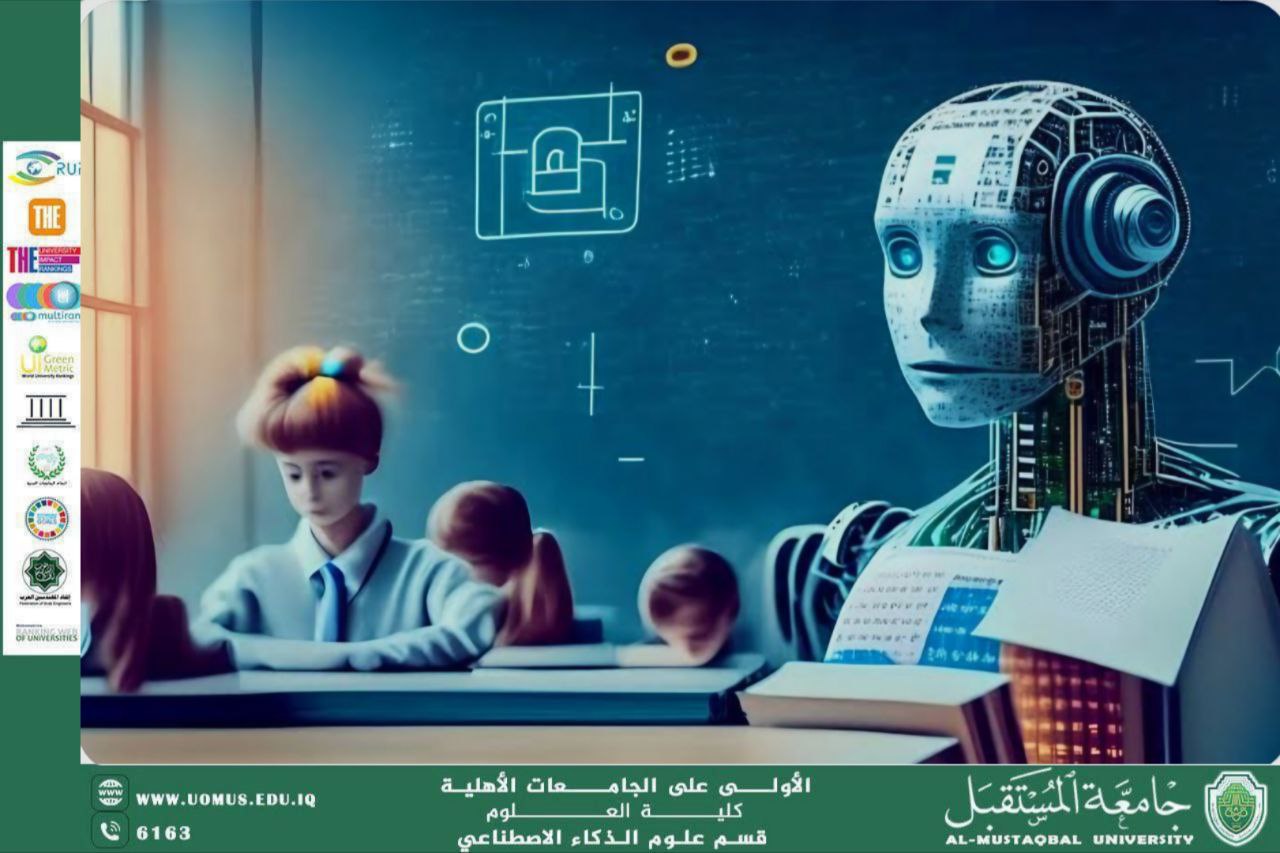
Moreover, AI contributes to the development of teaching methods through smart assistants, interactive learning platforms, and e-learning systems, making education more flexible and engaging. It also supports teachers by assisting in lesson planning, grading assignments and exams, and accurately analyzing students’ academic performance.
In assessment and evaluation, AI offers advanced tools to measure academic achievement, predict student progress, and identify learning difficulties at an early stage. Additionally, AI supports students with special needs through speech recognition technologies, text-to-speech tools, and adaptive learning environments.
The future of artificial intelligence in education points toward increased innovation and reliance on intelligent systems, with a focus on interactive learning, lifelong education, and digital skill development. Despite its many advantages, ethical considerations and data privacy protection remain essential to ensure the responsible and effective use of AI in education.