"Efficiency of Pulse Oximetry Devices"
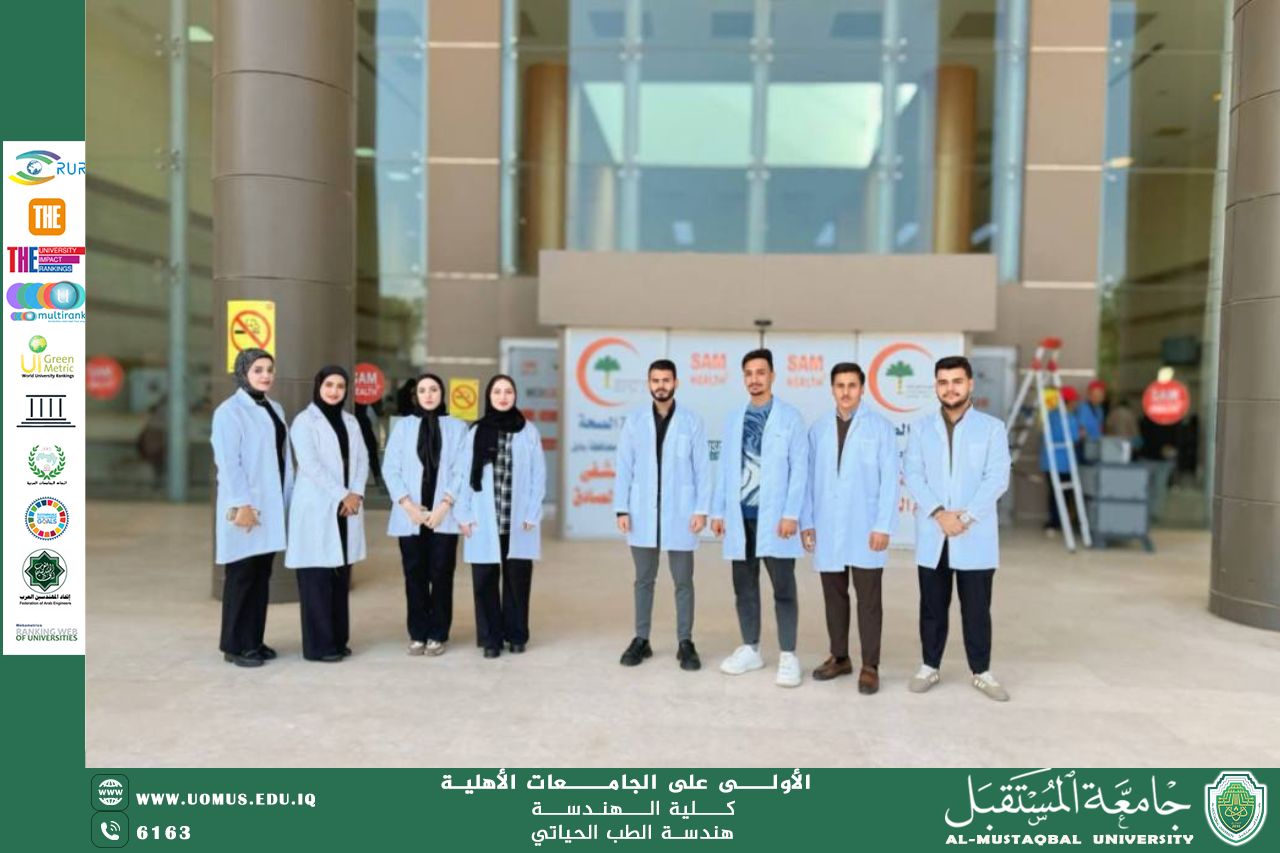
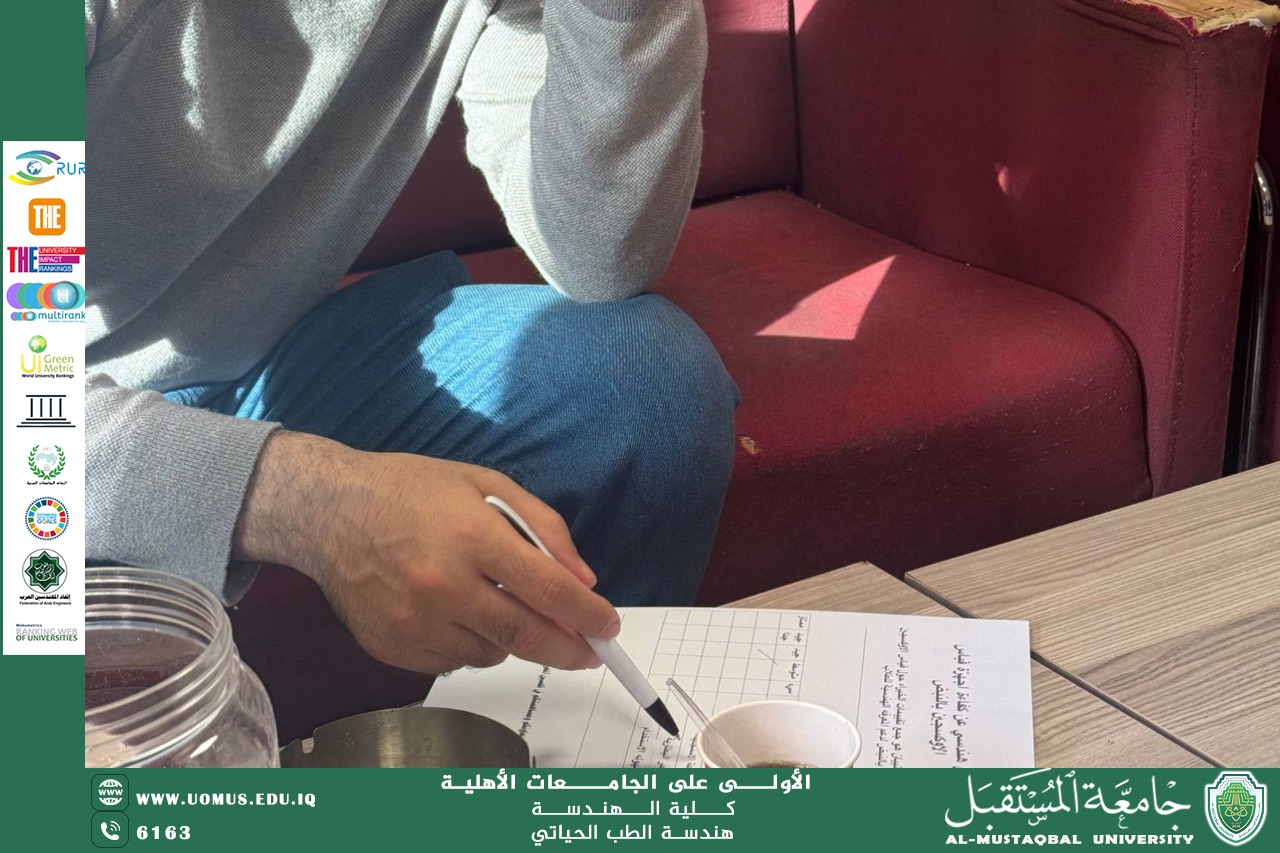
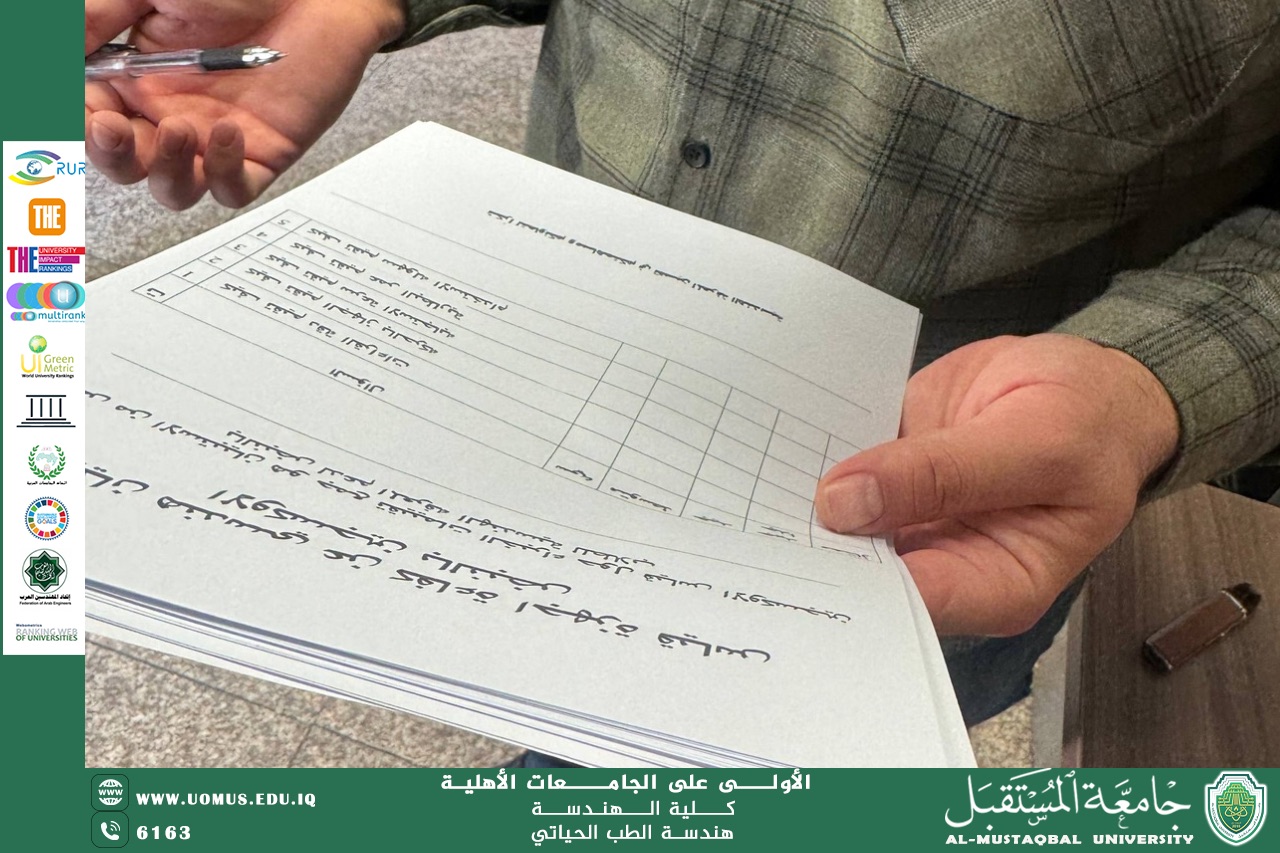
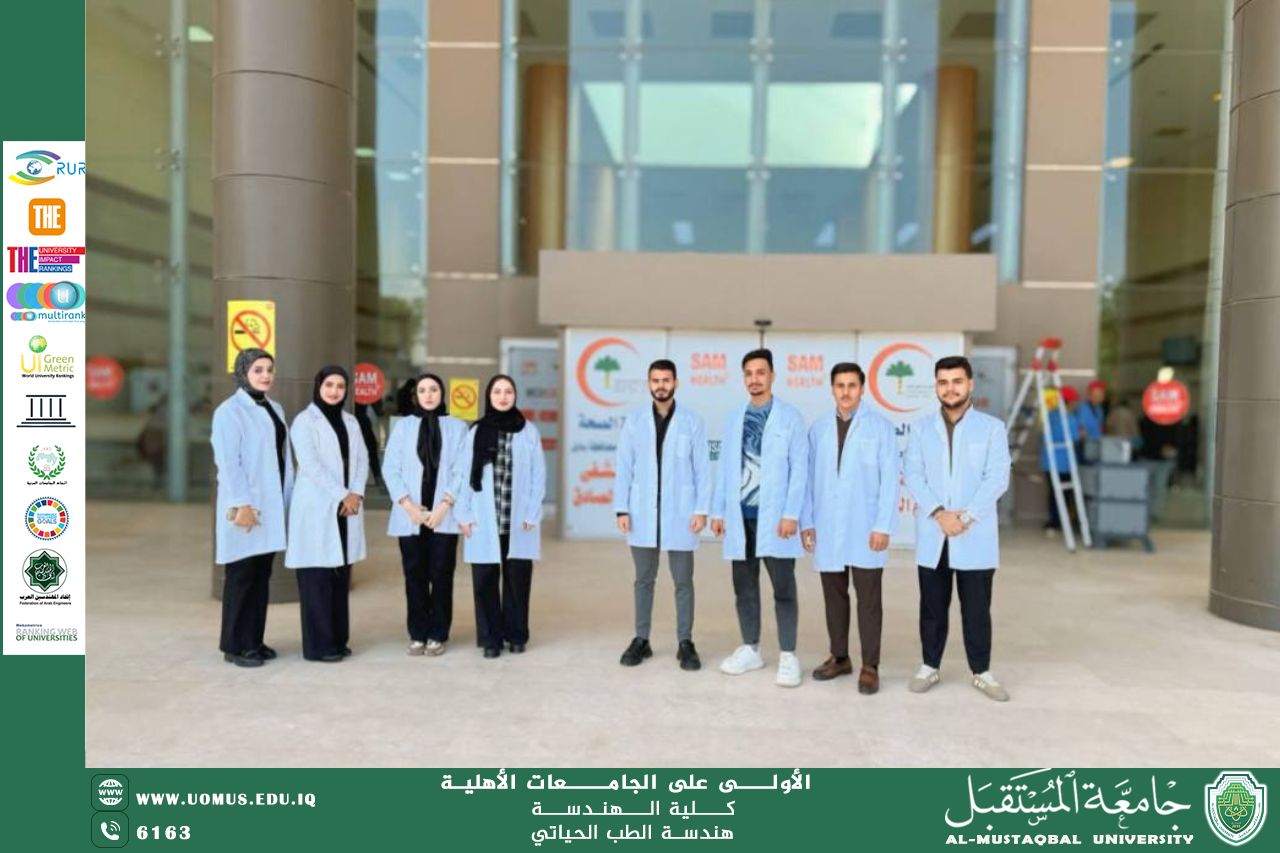
As part of the applied scientific activities for third-year students, and under the supervision of Assistant Lecturer Hiba Dhiaa Abdul-Amir, the students organized field surveys and a scientific activity entitled:
"Efficiency of Pulse Oximetry Devices." The activity aimed to familiarize students with the mechanism of action of these vital devices and how to read blood oxygen saturation levels (SpO2) and heart rate, focusing on the factors that affect the accuracy and efficiency of these devices under different conditions.
The activity included the following main topics:
• Principle of Operation: Explaining how infrared and red light are used to measure the percentage of oxygenated hemoglobin.
• Efficiency Evaluation: Studying the factors affecting the accuracy of the readings, such as poor blood flow, patient movement, nail polish, or strong ambient light.
• Practical Application: Students conducted practical experiments to compare the readings and correlate them with anatomical models (such as a prepared model of the kidney) to illustrate the importance of organ oxygenation and its relationship to vital functions. This activity is a key step in preparing students to understand medical technology, emphasizing that diagnostic efficiency begins with a deep understanding of how devices work, how to maintain them, and how to ensure the accuracy of their results.