DNA Fingerprinting: A Biological Bridge to Modern Forensic Evidence (Asst. Prof. Bushra Hussein Atiyah)
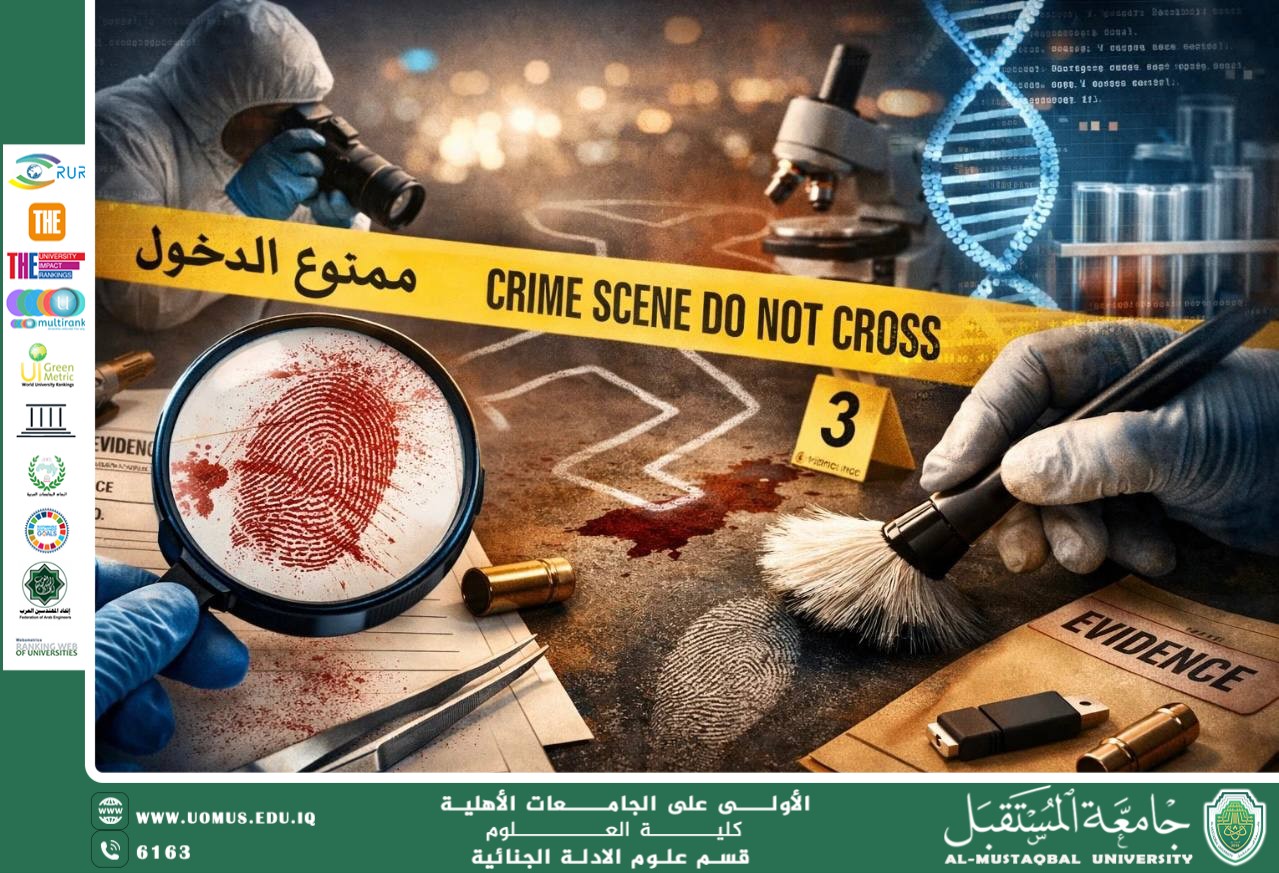
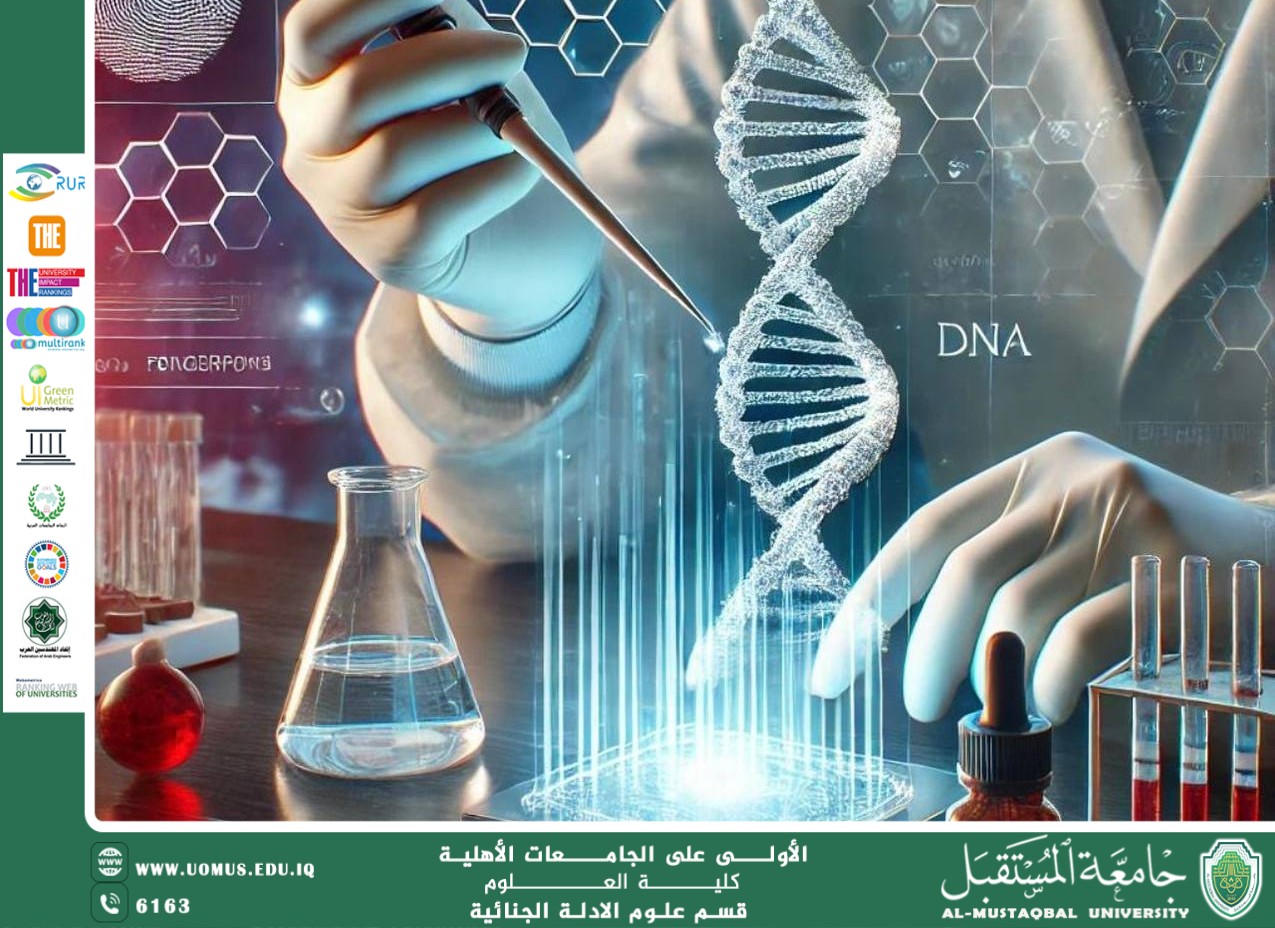
DNA fingerprinting is one of the most significant achievements of molecular biology that has revolutionized forensic science. It is based on the analysis of deoxyribonucleic acid (DNA) found in human cells, which is unique to each individual except identical twins. This uniqueness has made DNA fingerprinting a decisive tool in crime investigation and identity verification.
Biological Basis of DNA Fingerprinting
DNA is the genetic material that carries hereditary information and is located in the nucleus of cells. It consists of nucleotide sequences that vary among individuals. These variations form the biological foundation of DNA fingerprinting. Molecular biology provides the scientific principles required to analyze and interpret these genetic differences.
DNA Fingerprinting Techniques in Forensic Science
Forensic investigations rely on several advanced biological techniques, including:
• Short Tandem Repeat (STR) analysis
• Polymerase Chain Reaction (PCR) for DNA amplification
• Gel electrophoresis to separate DNA fragments
These techniques allow forensic scientists to compare crime scene samples with those of suspects or DNA databases.
Role of DNA Fingerprinting in Criminal Investigations
DNA fingerprinting is widely used to link suspects to crime scenes, identify unknown victims, solve cold cases, and establish or exclude biological relationships. Due to its high accuracy and extremely low error rate, DNA evidence is considered one of the most reliable forms of forensic evidence accepted in courts of law.
Importance of Integrating Biology with Forensic Evidence
The application of DNA fingerprinting highlights the strong connection between biology and forensic science. Biological understanding of DNA enables forensic experts to utilize genetic evidence effectively, thereby strengthening the justice system and ensuring reliable judicial outcomes.
Conclusion
DNA fingerprinting has become a cornerstone of modern forensic science due to advances in molecular biology. As technology continues to evolve, its applications are expected to expand further, enhancing crime-solving capabilities and protecting human rights.
Al-Mustaqbal University – the first university in Iraq.
SDG4